Kasei: The Poetic Memory of Objects
Interview by James Elliott
Much of our lived experience is ineffable. When we speak of memories connected to love, beauty or even pain, one may smile, nod their head, and profess a mutual understanding, but to say that we are ever truly understood is something we can never be sure of. Making sense of our past, and by extension our connection to others is never easy, requiring a period of introspection and ultimately curiosity.
Kasei is a new project founded by Jun Yang Chin and Vicky Chung, that explores this mysterious nature of memory. Through their carefully selected archive of ephemera, visual story telling and narrative vignettes, the pair have constructed a world that manages to navigate through a space where memory, imagination and personal history overlap.
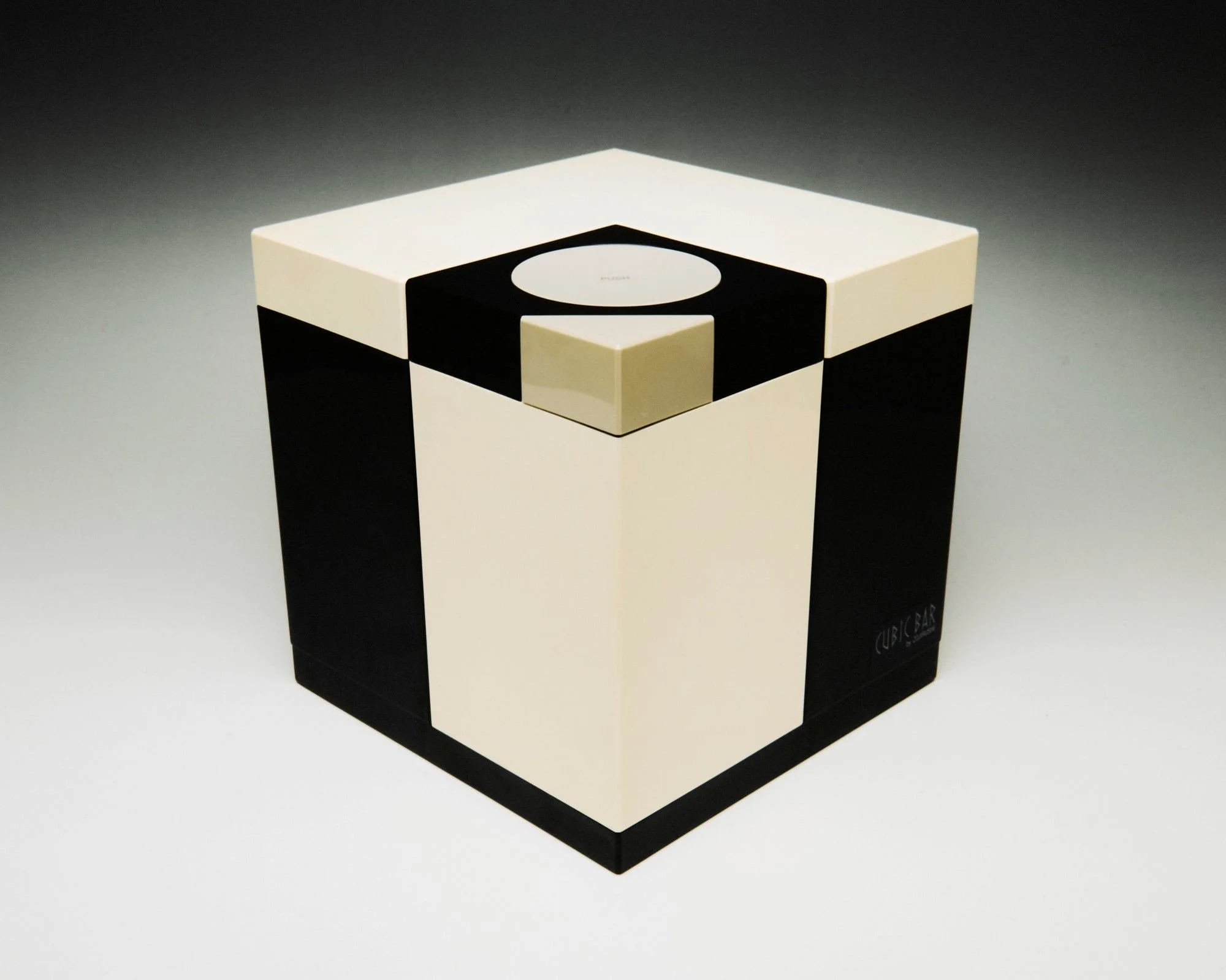
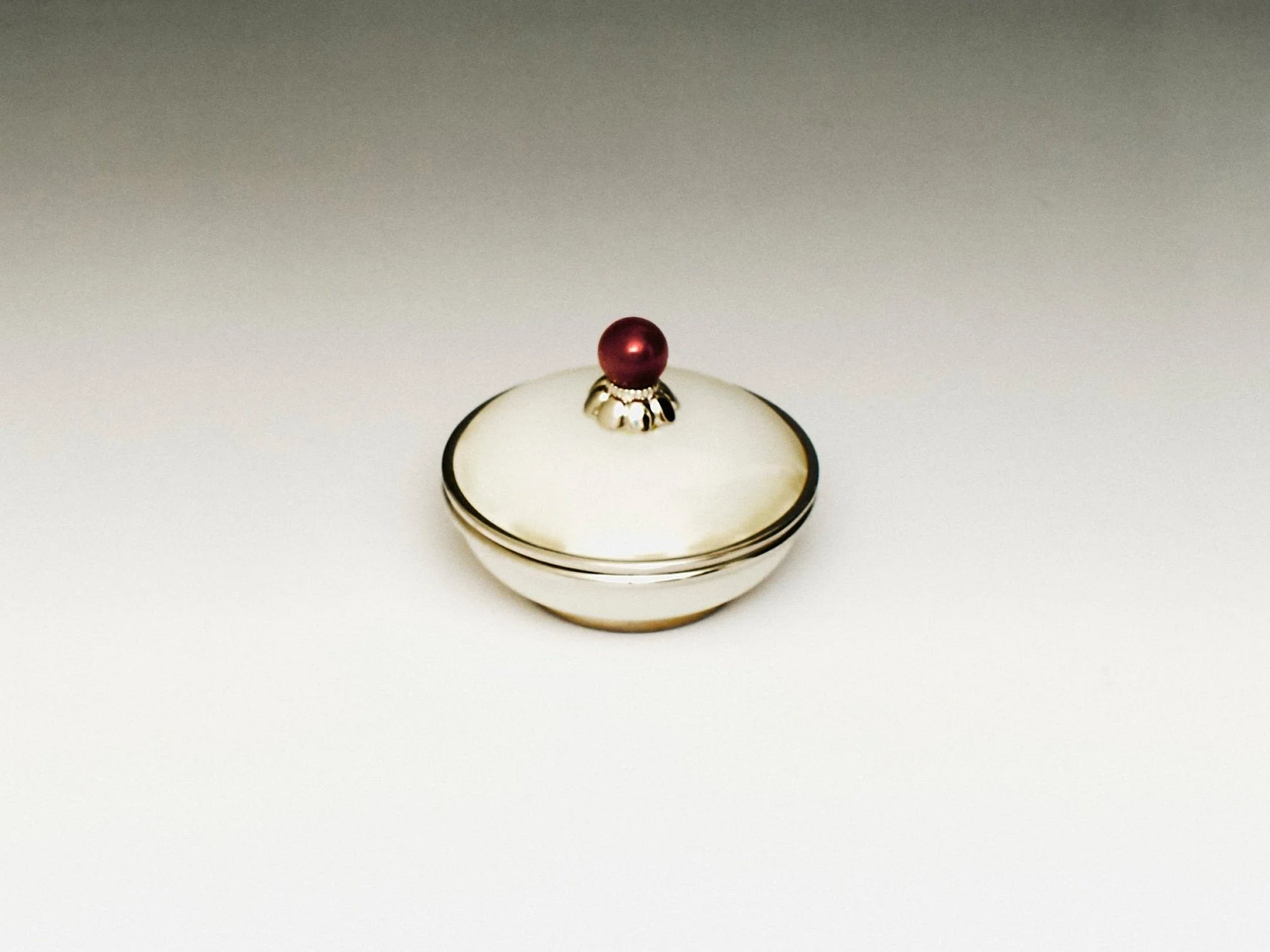
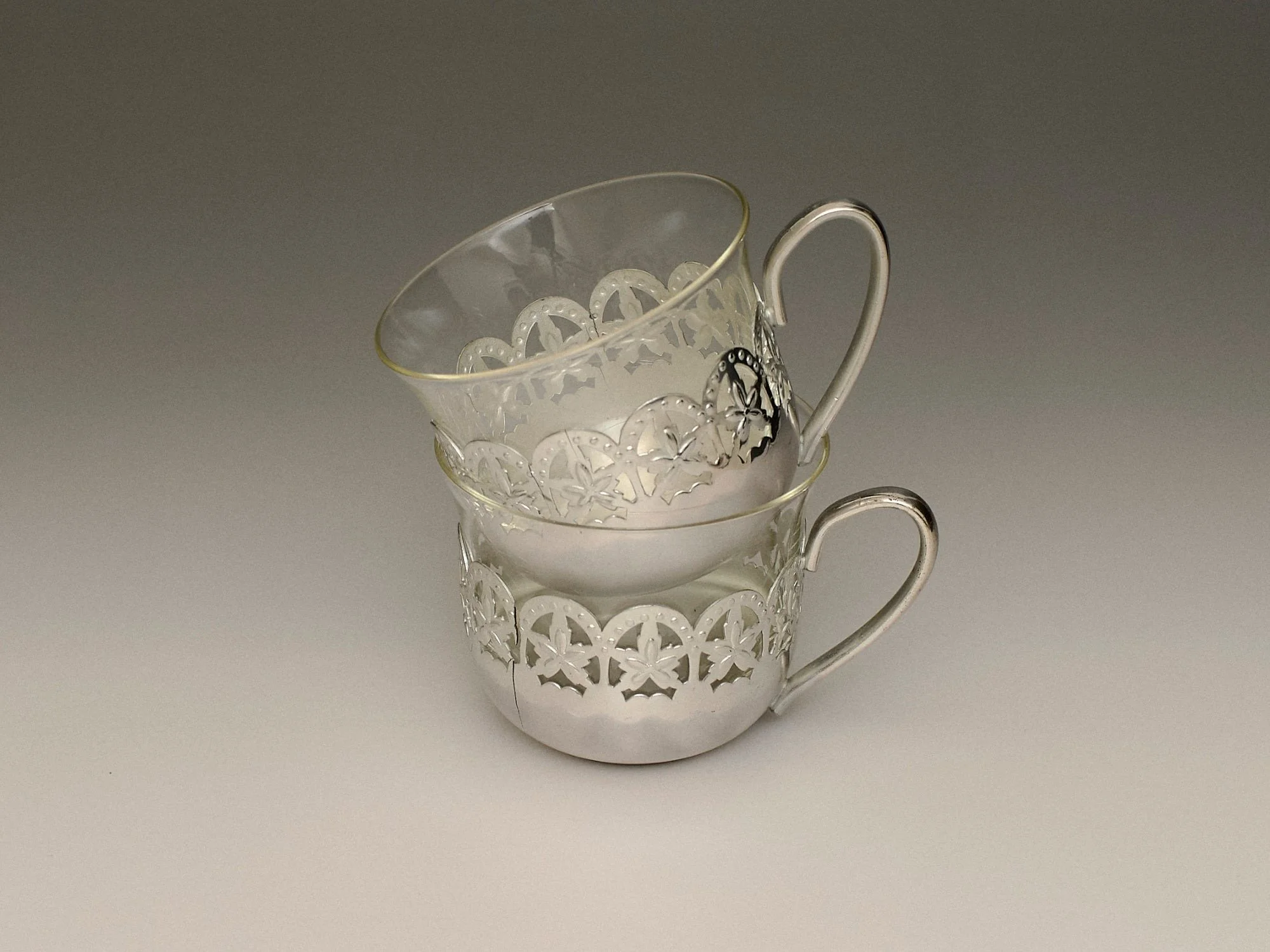
Taking the form of a vintage store on the surface, Kasei’s core philosophy is in fact much deeper. It is closer in nature to a study or practice that spans curation, video, photography and essays. By focusing on how our everyday objects, such as tea cups, bowls, ashtrays can act almost like physical manifestations of memory, Kasei has managed to construct fertile ground for reflecting upon the relationship between our surroundings and personal history.
Phantasy recently spoke to Jun about the origins of Kasei, their latest film My Memories of You, the influence of Vietnamese folk opera, as well as future plans to expand the world of Kasei into physical spaces and experiences.
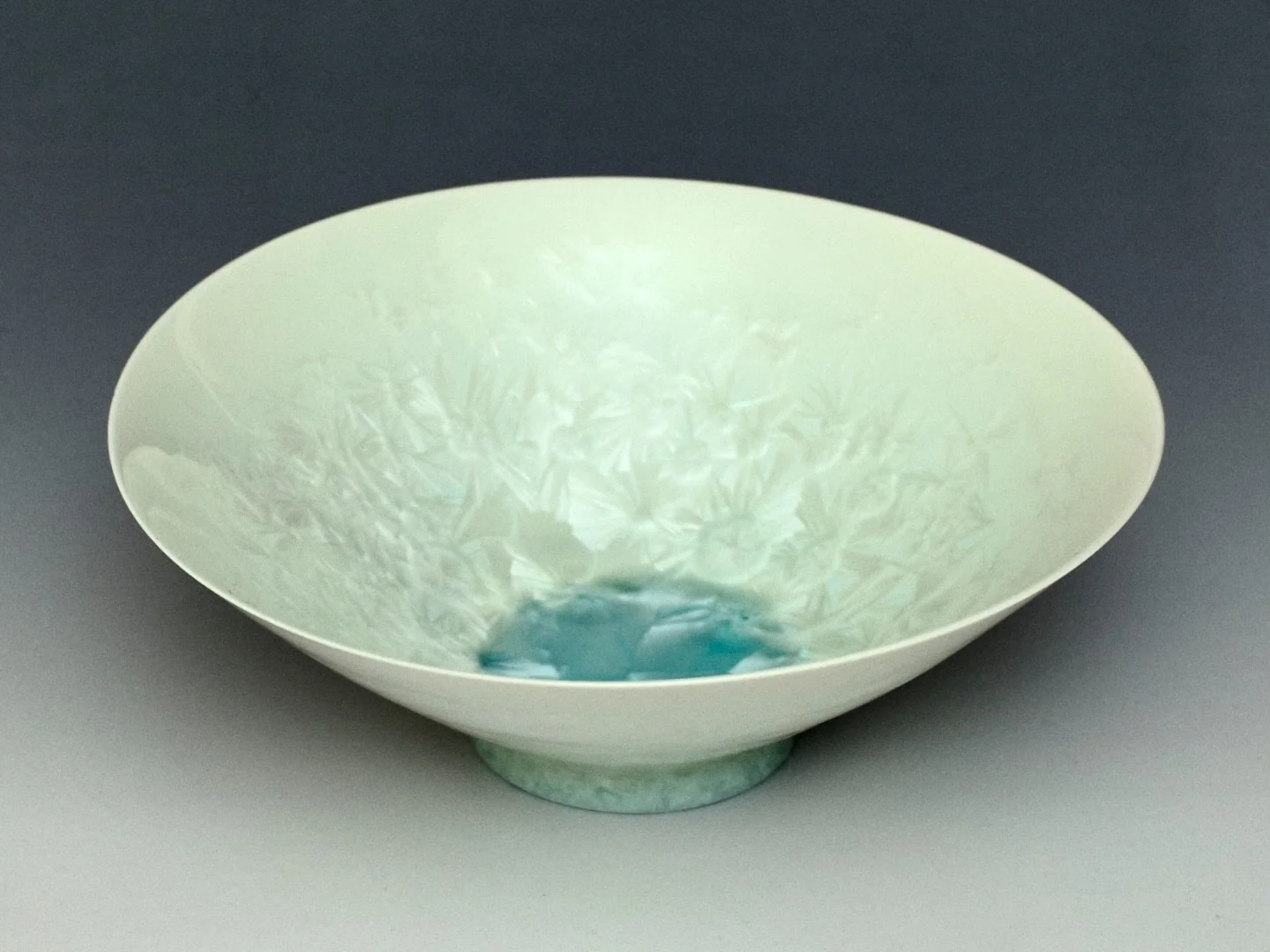
Mui Tea Bowl
Phantasy: What’s the concept of Kasei?
Kasei: Kasei was never conceived as a vintage objects or homewares store. The objects are important, but it was never really just about the objects themselves. What interests us more are the lives, memories, and places that exist around them. A lot of what Kasei has become has come from thinking about those connections.
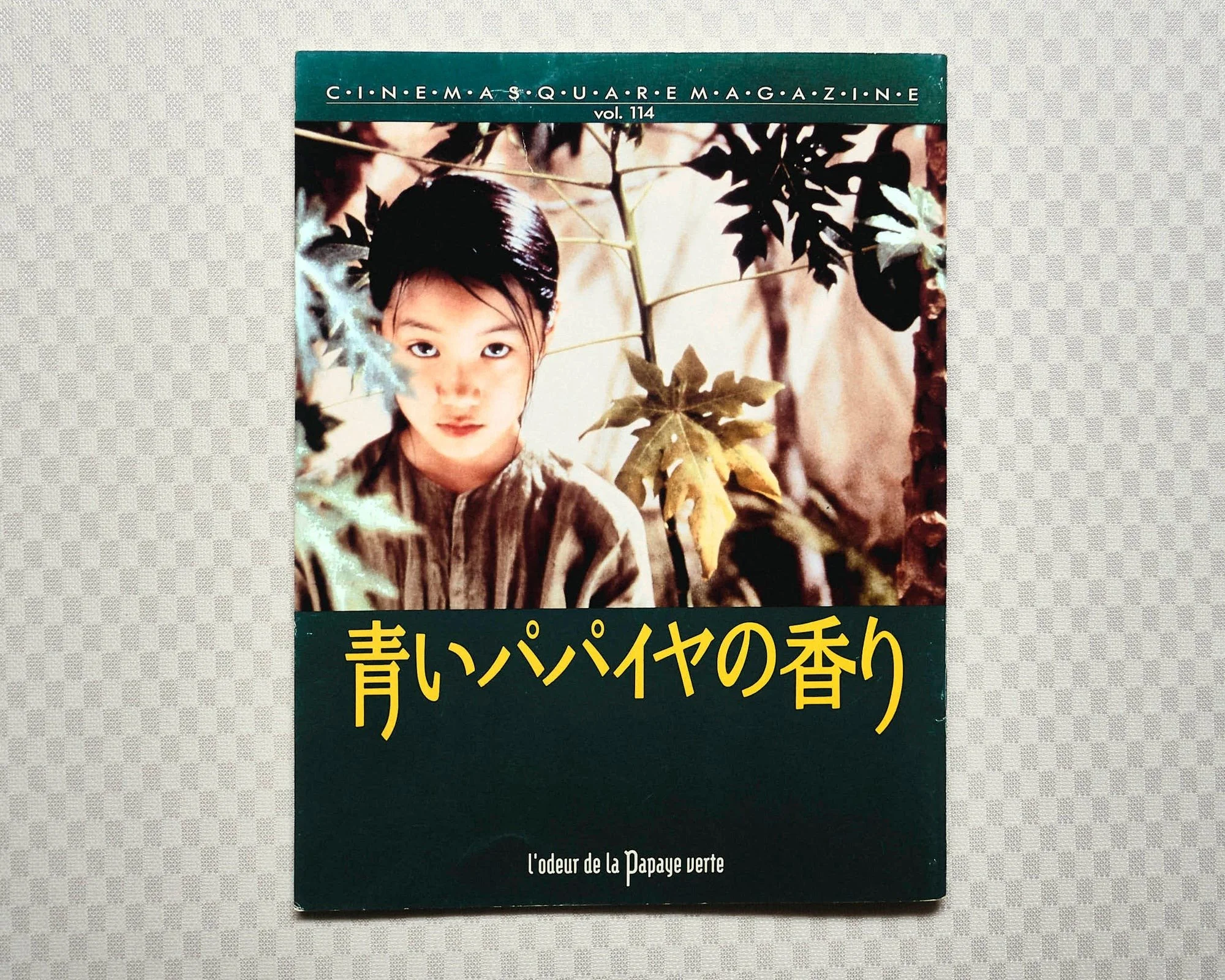
Cinema felt like a natural reference point when we started building the world of Kasei because it gave us a way to think beyond the objects and create a broader context around them. We're interested in the space between reality and imagination, and film gives us a lot of room to explore that.
Kasei comes from the characters 火星 or "Red Planet" in Japanese. Our friend Hope helped us come up with the name, and we were immediately drawn to it because it felt open-ended and slightly otherworldly. Looking back, it made sense because the project was always intended to become something larger than a store.
In a way, Kasei is less about selling objects and more about building a world that can keep expanding as we move through different places and stages of life. The objects can stand on their own, but Kasei itself keeps growing and changing. That's what keeps it interesting for us.
My Memories of You
“We’re interested in presenting objects and stories in a way that invites reflection...the experience isn’t really about the object itself. It’s about the associations, questions, and memories it brings up.”
My Memories of You
Phantasy: The direction and concept feels deeply nostalgic and memory-driven. Why is memory so significant to you?
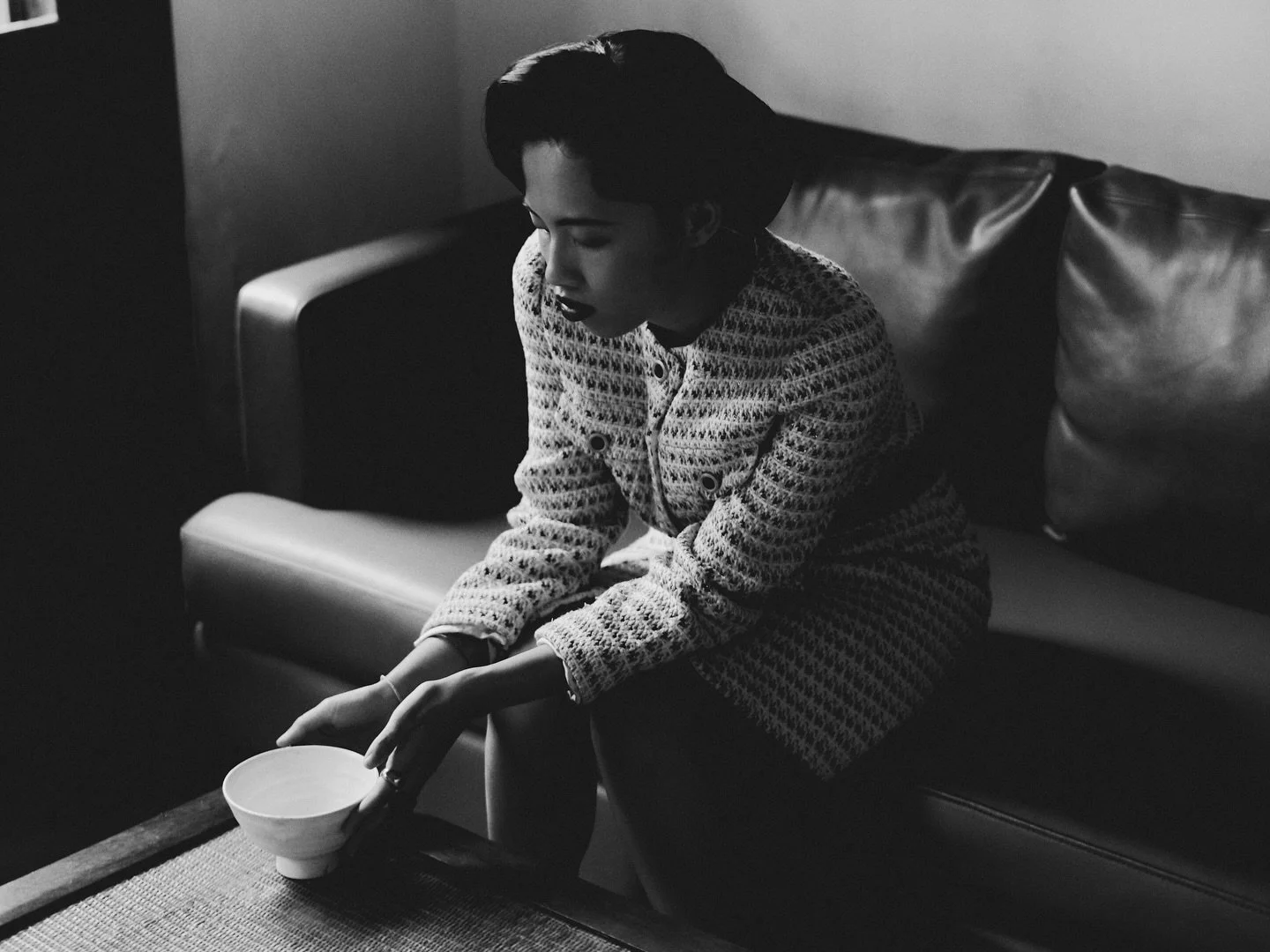
Kasei: We’re interested in how objects can act as physical markers of memory. They hold traces of experiences and connections, even if those meanings are completely personal.
That's why nostalgia naturally finds its way into a lot of what we do. Not because we're trying to look backwards, but because it's a space where memory, imagination, and personal history all overlap.
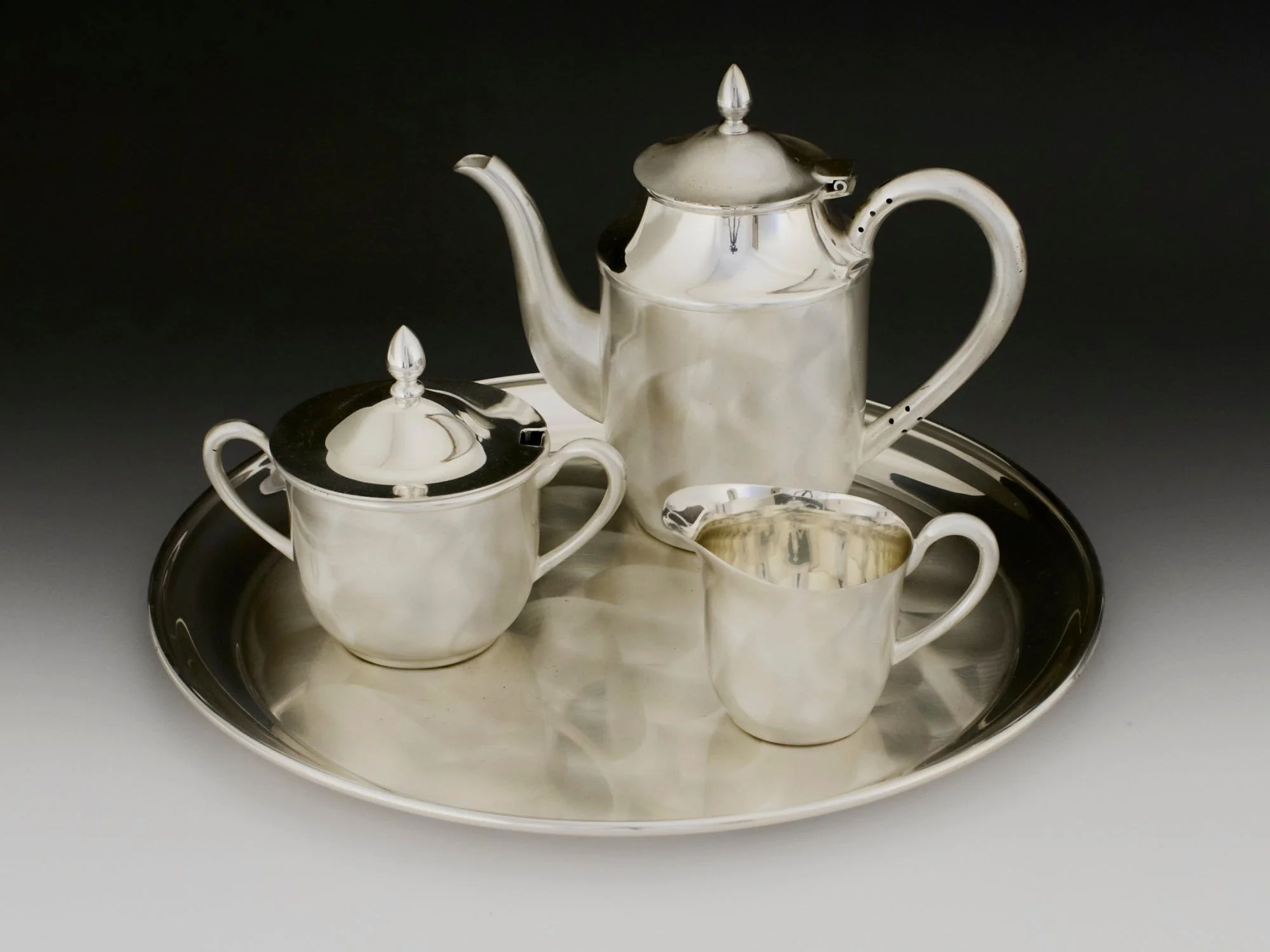
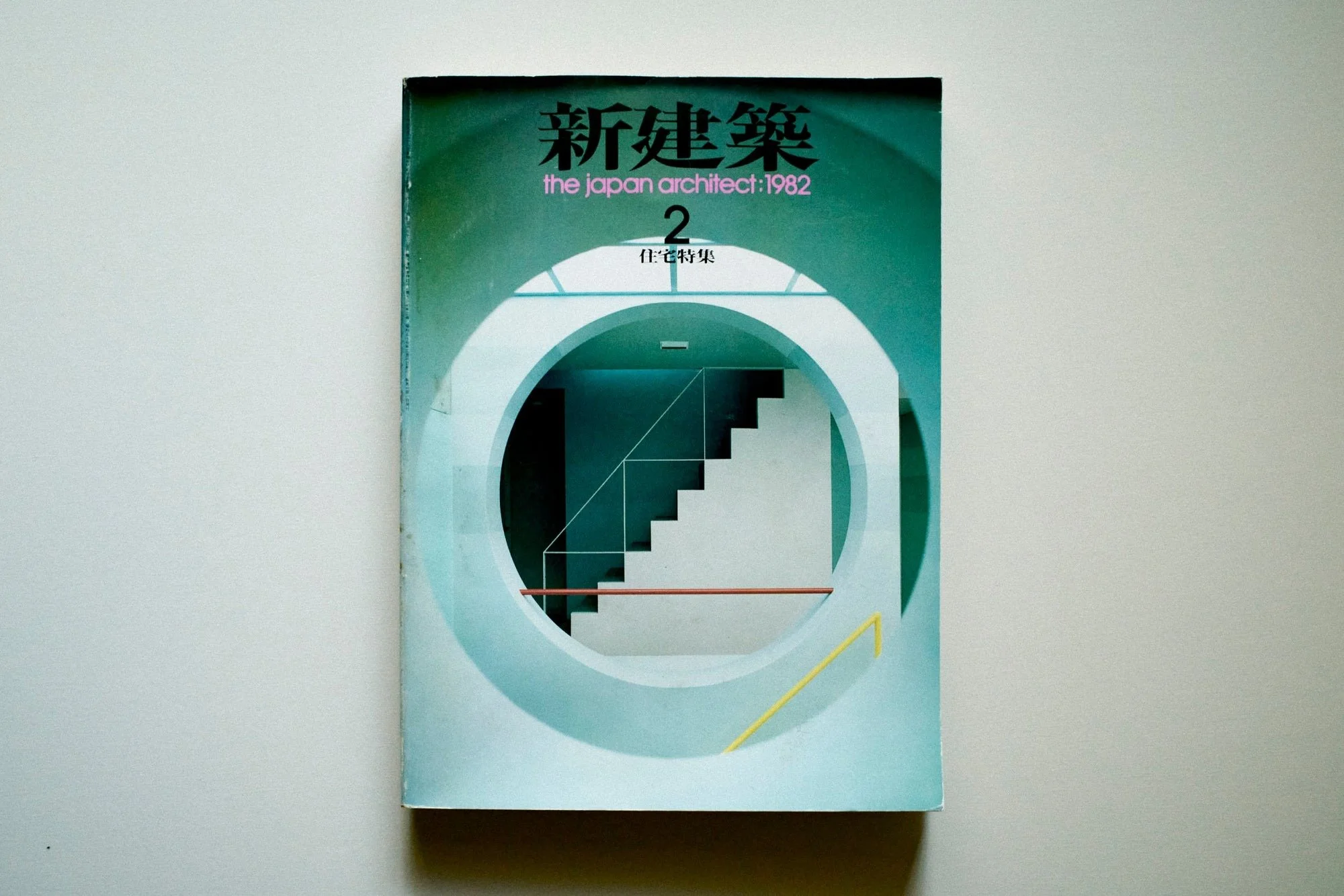
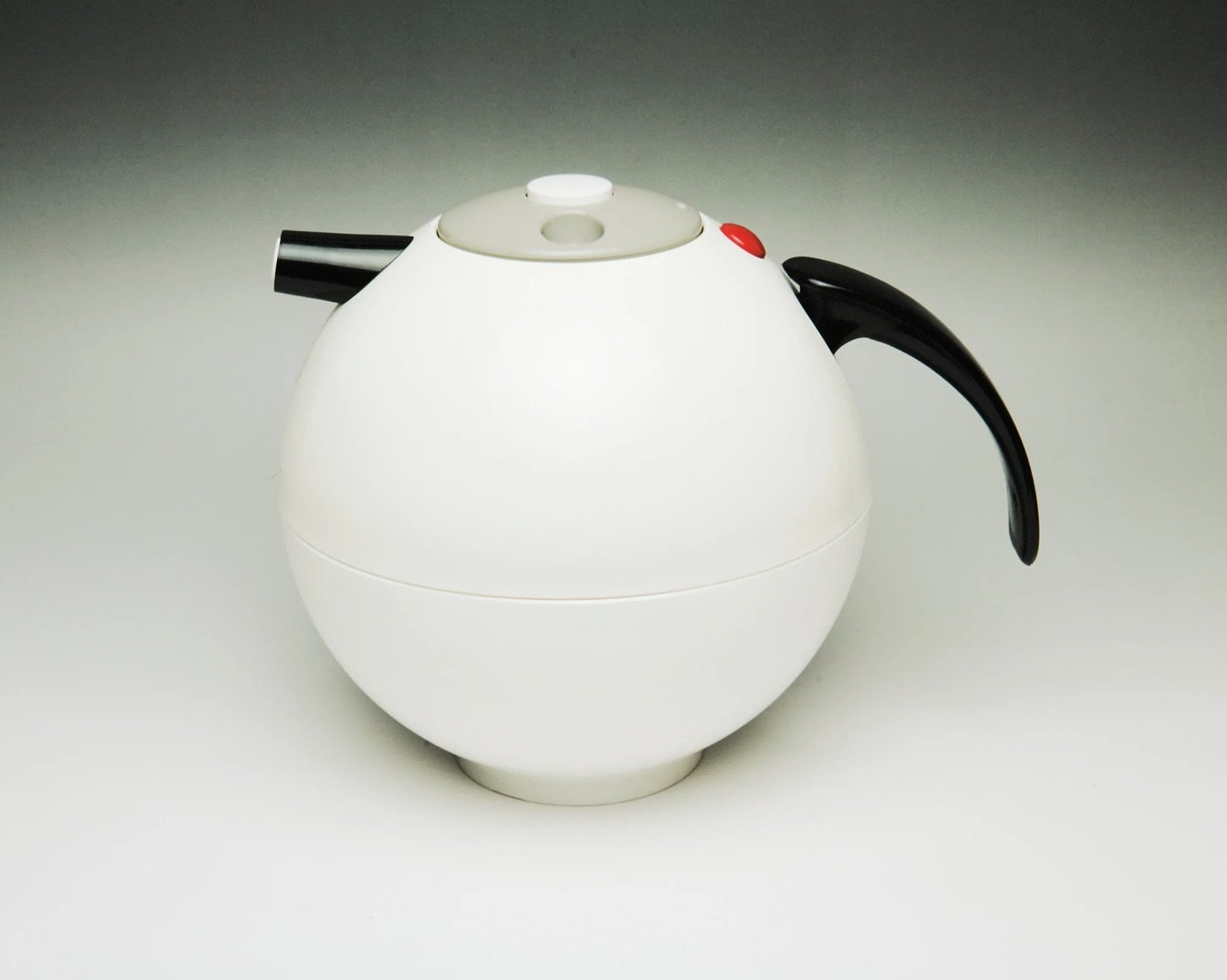
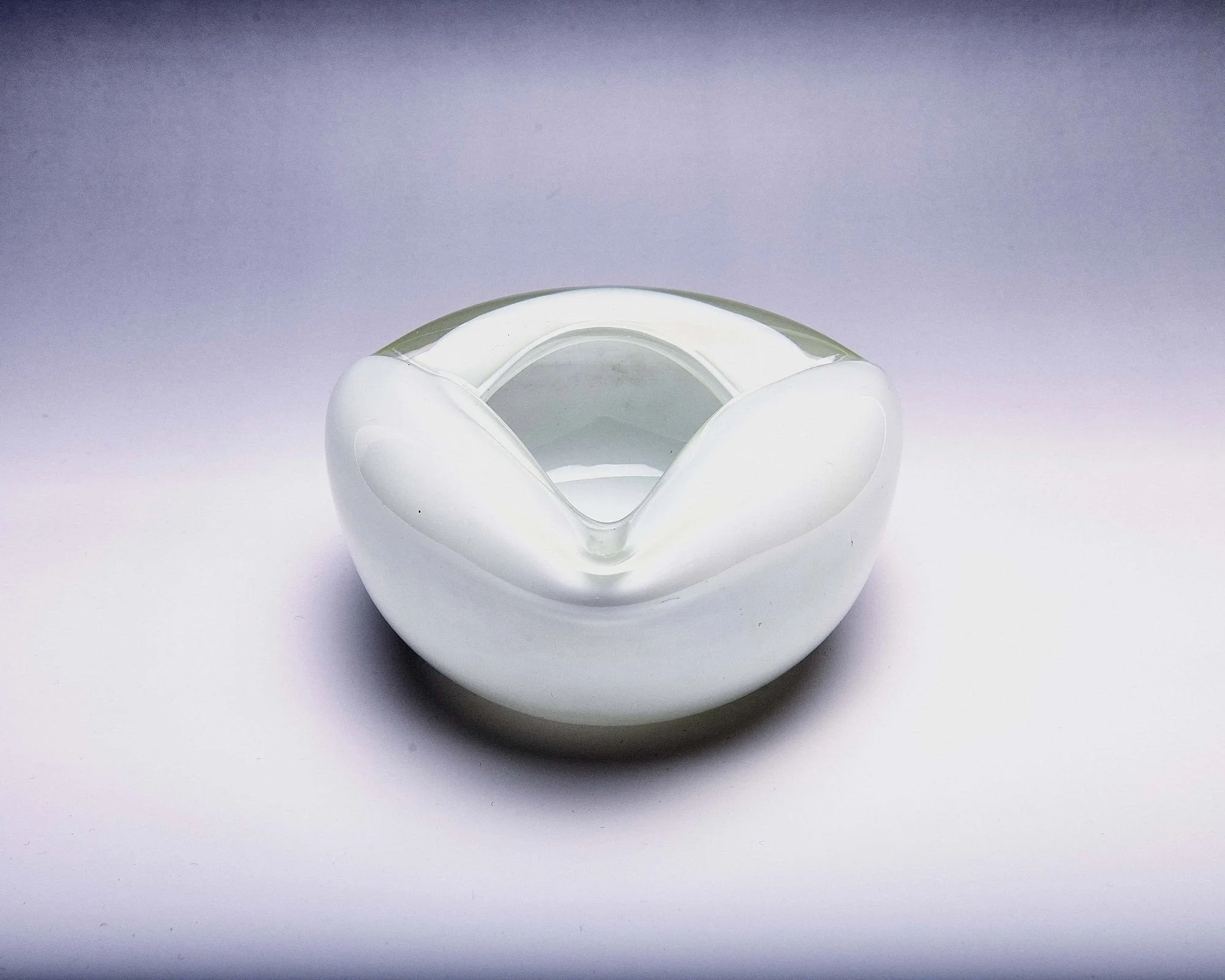
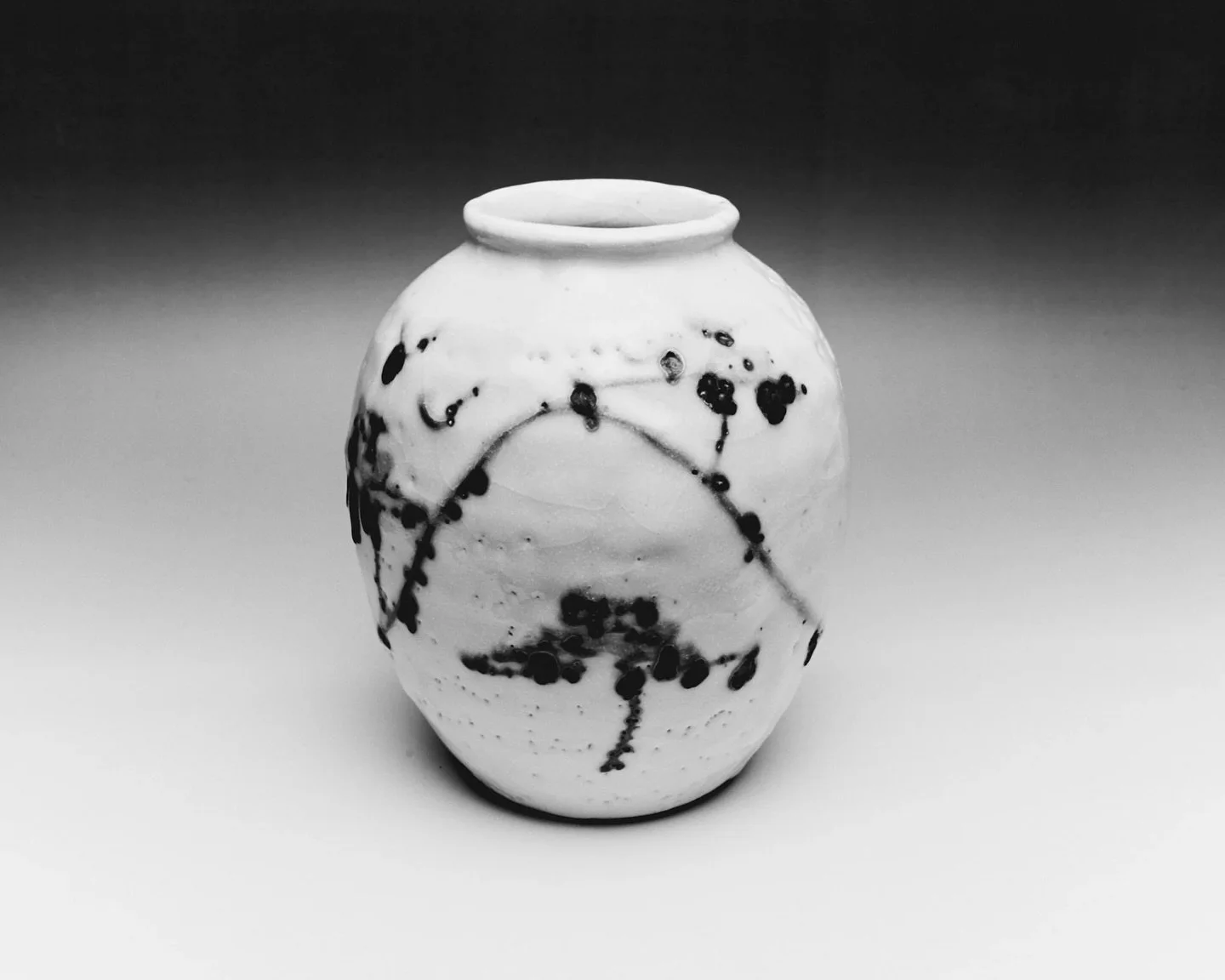
Phantasy: Kasei feels like an archive more than anything. A photographic or emotional record. What are you trying to capture, or preserve with this project?
Kasei: Yes, I think it is an archive, although maybe not in the traditional sense. We're interested in presenting objects and stories in a way that invites reflection. In the same way you might look through an old film, a photo book, or a book of museum objects, the experience isn't really about the object itself. It's about the associations, questions, and memories it brings up.
A lot of the things we're drawn to already carry traces of another time or place. We like creating a context where people can spend time with those things and form their own relationship to them. I think it's important to create space for that kind of reflection. Not necessarily out of nostalgia, but because it allows us to engage with culture, history, and everyday life in a more personal way.
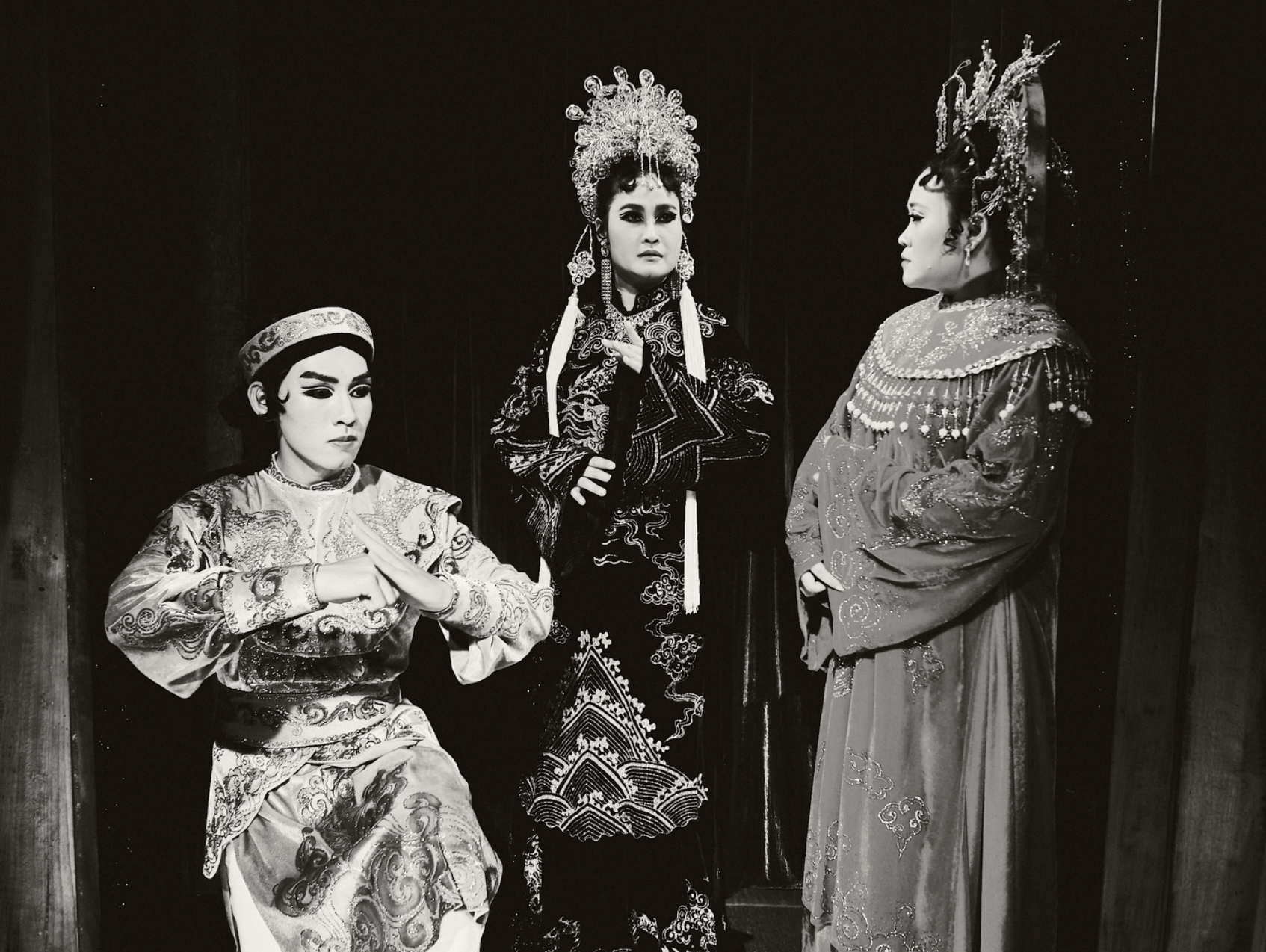
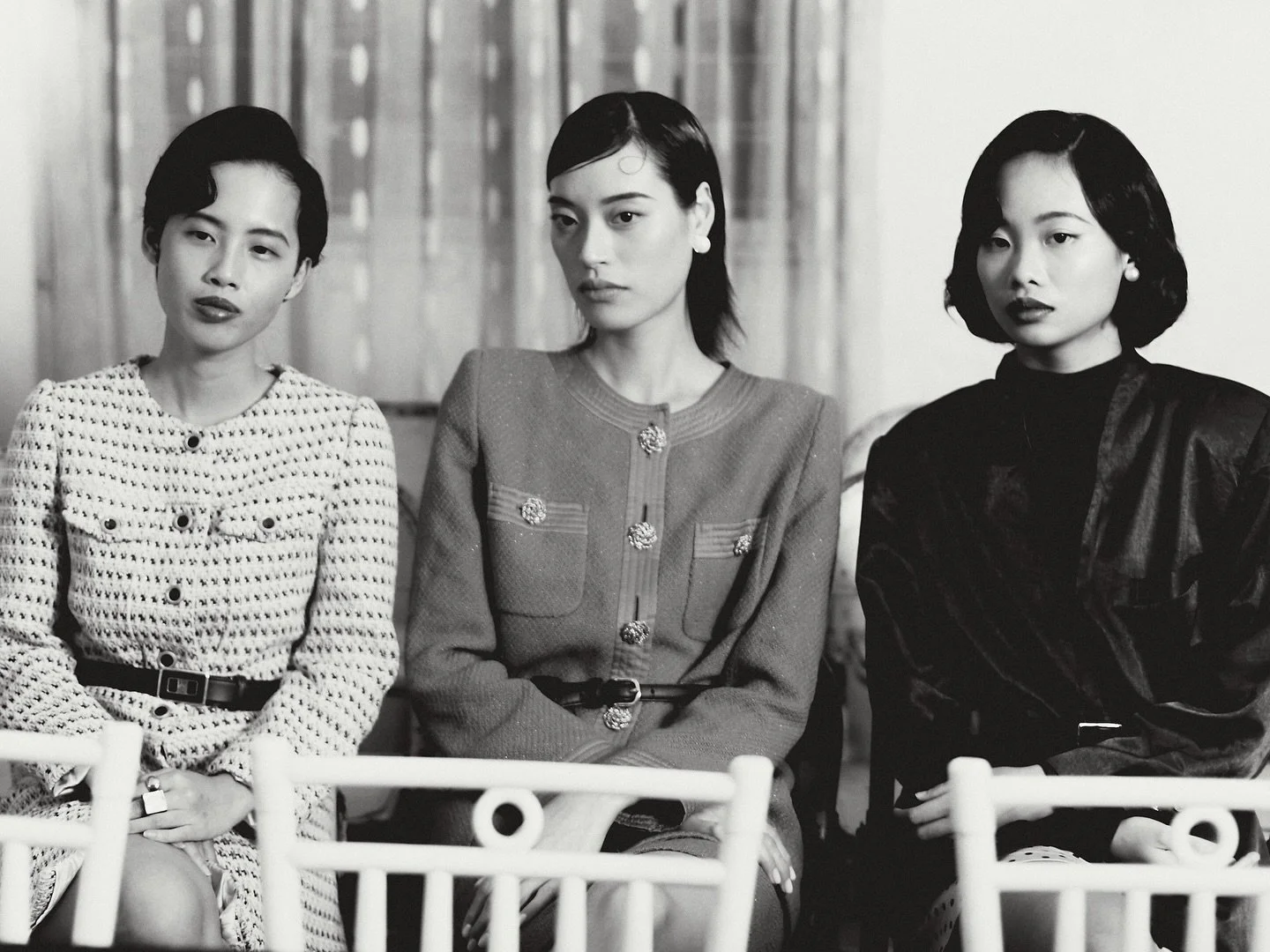
My Memories of You
Phantasy: When I was coming up with the questions for this interview I thought about this quote from Milan Kundera, “The brain appears to possess a special era which we might call poetic memory and which records everything that charms or touches us, that makes our lives beautiful…” Would you say Kasei has a similar philosophy at its heart?
Kasei: Great question! We never really thought about our philosophy in this way, but it definitely resonates with us. We don't remember things according to their immediate importance, but according to how they make us feel. Certain objects, spaces, images, or encounters stay with us for reasons that aren't always rational.
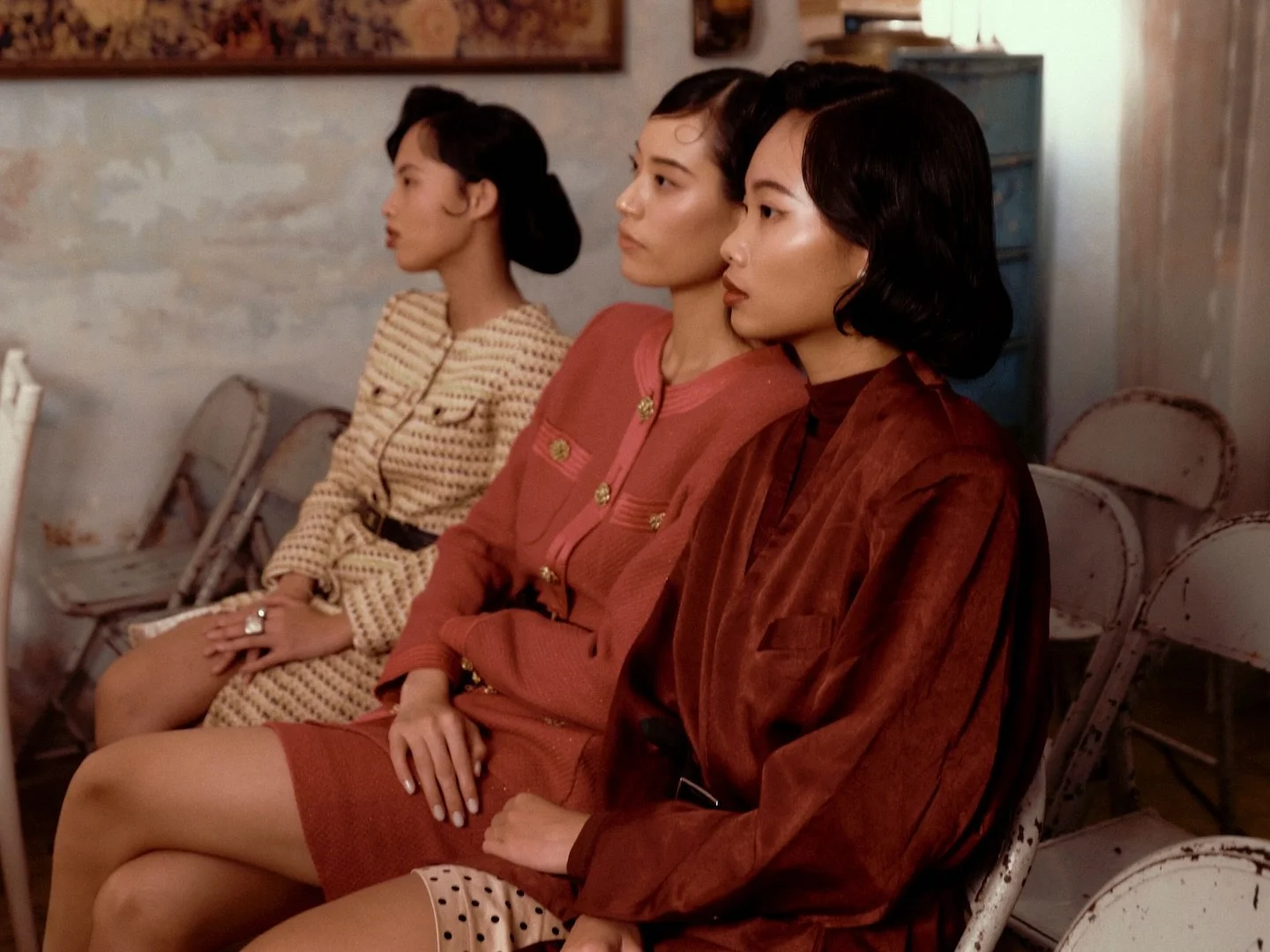
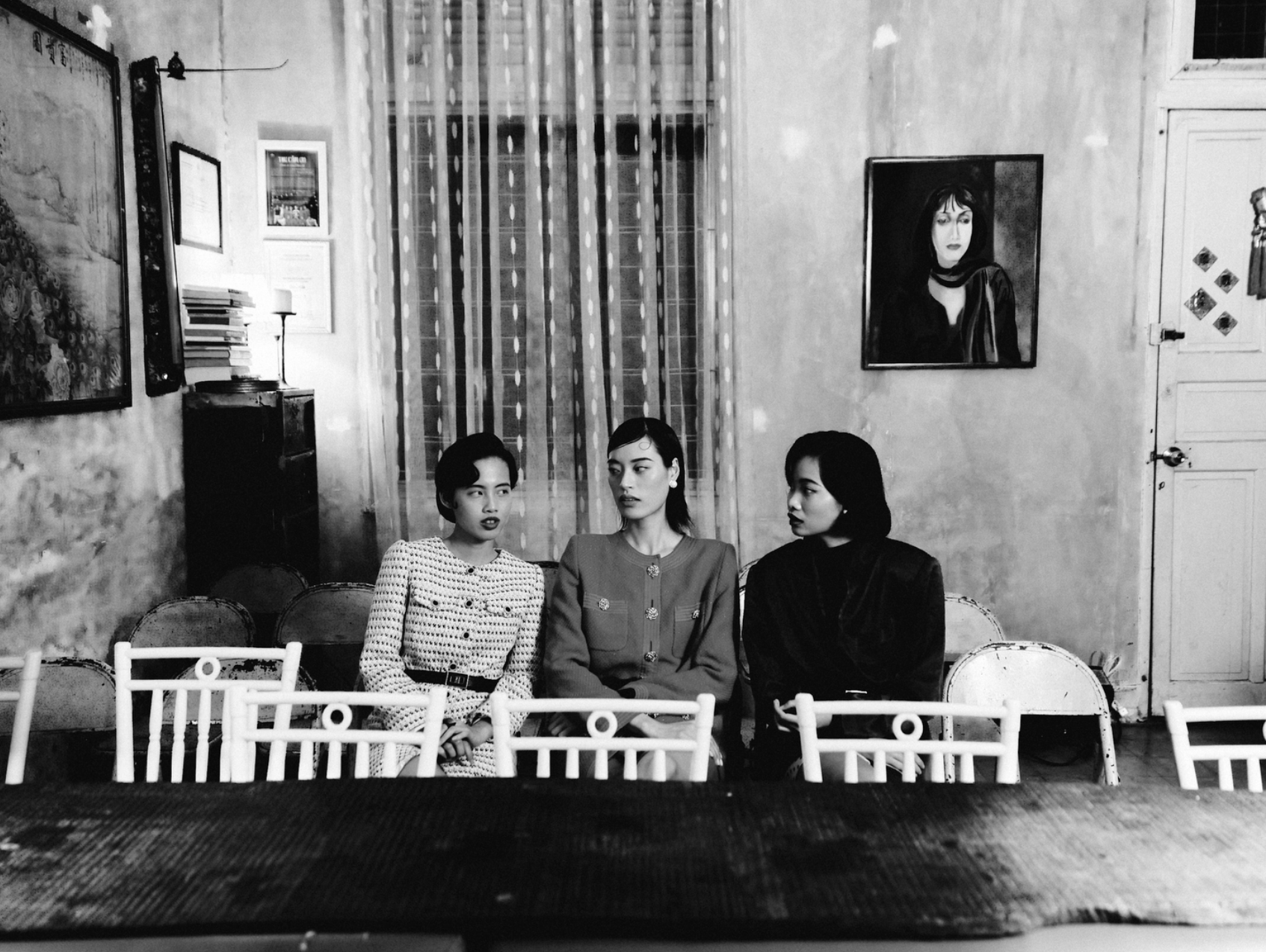
Phantasy: What was the concept behind your film My Memories of You? Why was it important for you to tell this visual story?
Kasei: A lot of it came from blurred memories of childhood, fragments, sensations, and a feeling of nostalgia. The film actually began as something quite different before we gradually stripped it back some more.
More than anything, we wanted to introduce the audience to a new world. The challenge was figuring out how to capture a space and build a familiar, humble narrative that could draw the audience into it. The story itself is quite simple, but it became a way of exploring the atmosphere and rhythm of the place.
Our friend Long, who wrote an accompanying essay for the film, describes it better than we can: "Some spaces behave this way. The moment one scene concludes, and another begins, the room seems to grow not because the walls move, but because its roles multiply and its boundaries blur." I'd encourage people to read his essay on our website because it captures the feeling behind the work really well.
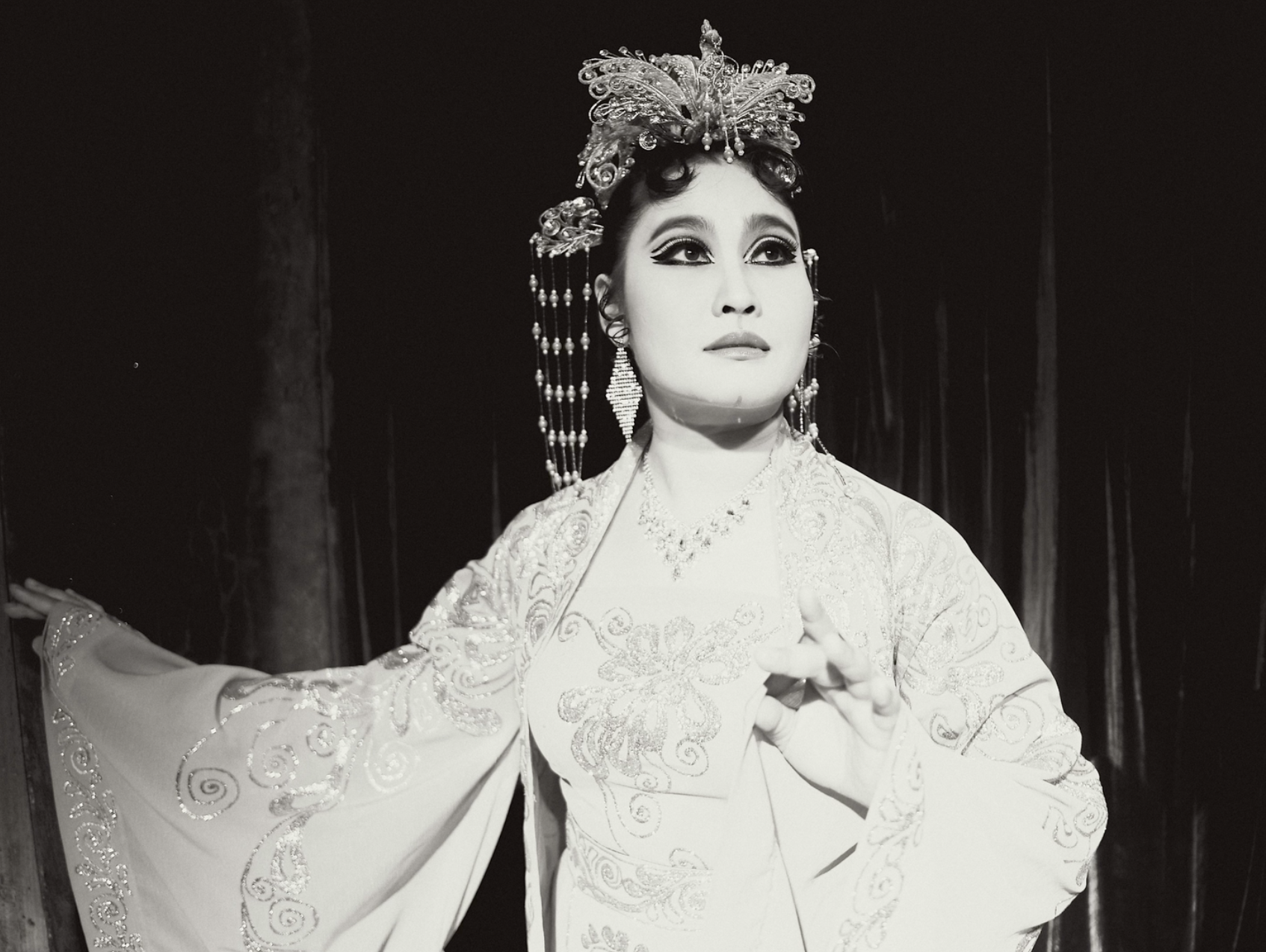
My Memories of You
Phantasy: Why cải lương?
Kasei: We wanted to transport the audience into an intimate and unfamiliar space, and cải lương felt perfect for that. The theatre itself already had an otherworldly quality to it, in the costumes, the music, and the set design. The location sits hidden within the noise and pace of the city, but the moment you step inside, it feels as though you've entered another time.
There's also something very personal about it. For many, cải lương exists somewhere in the background of childhood memories. Even if you didn't actively follow it, it was often around, through parents, grandparents, television, or family gatherings. It carries a sense of nostalgia that feels deeply tied to Vietnam.
We weren't trying to make a film about cải lương itself. It was more that the space, atmosphere, and memories attached to it felt right for the world we were trying to build. At the same time, featuring a living theatre and an art form with such a rich history felt important to us.
The film became a small love letter, to the arts, to cinema, to nostalgia, to Vietnam, and to the childhood memories that continue to shape how we see the world. A lot of the film is really about preserving a feeling. Cải lương just happened to hold many of those feelings in one place.
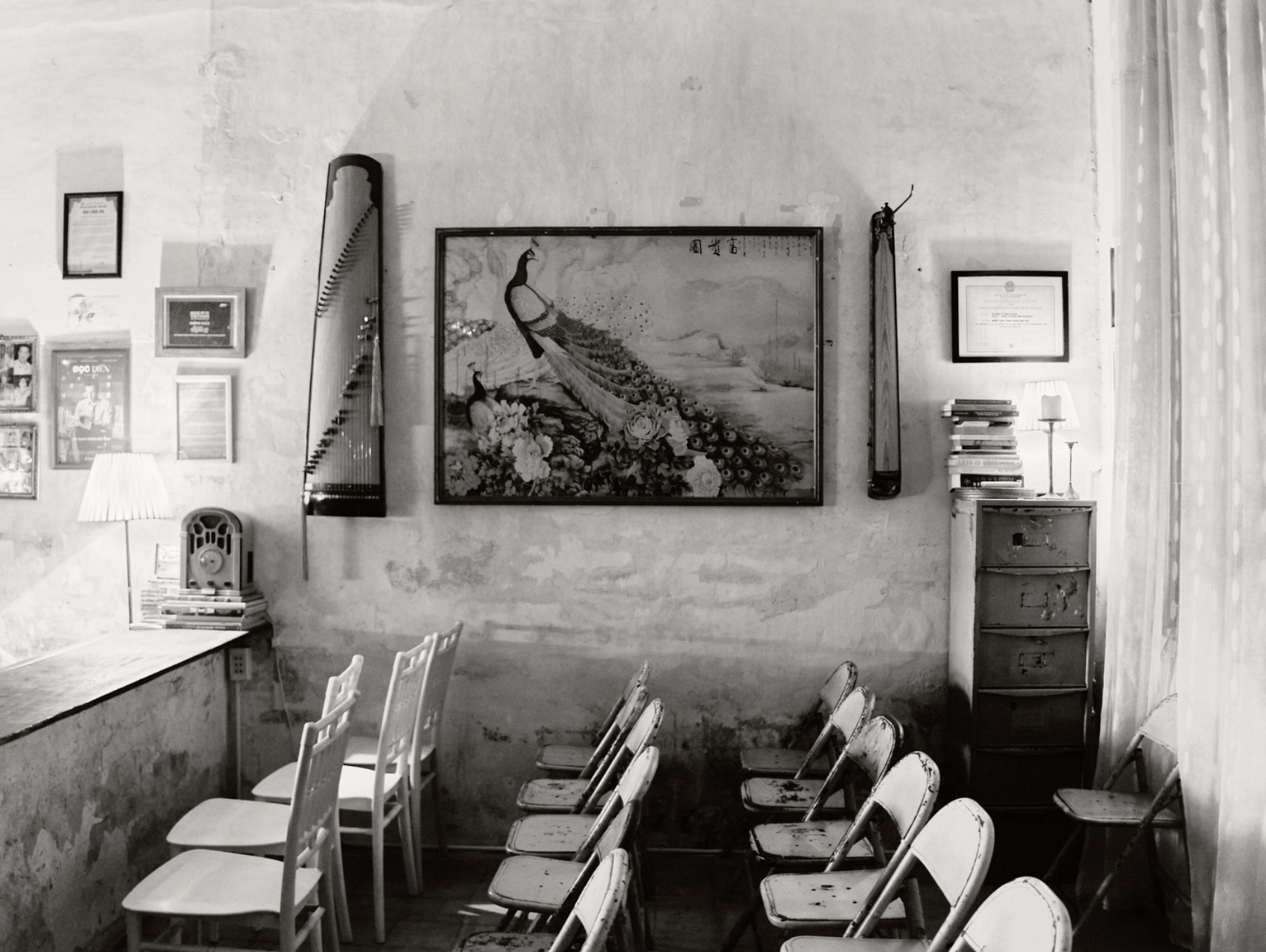
My Memories of You
“The film was also a way of expanding the world of Kasei beyond Japan. Setting it in Vietnam, where Vicky is from, gave it a more personal weight and allowed us to bring in our own memories and experiences. In many ways, it felt like an interlude, a glimpse into what Kasei could become beyond the store itself. That’s why it was such an important project for us.”
My Memories of You
Phantasy: Any plans for the future? Are physical spaces or pop-up events in the works?
Kasei: At the moment, Kasei exists primarily as an idea—a universe that is slowly revealing and building itself. But we’ve always imagined it extending beyond images and objects into physical spaces and experiences.
The most natural progression for us would be designing environments that allow people to step into a different world, even if only for a moment. That could take the form of a café, bar, restaurant, tea house, hotel lobby, or private residence. We’re interested in how spaces can shape perception, evoke memory, and transform the way people feel within them. Objects will always remain an important part of that process—they create points of connection, helping people engage with a space in a more personal and tangible way.
Film is another area we’re excited about. We see Kasei as an opportunity to continue exploring new forms of storytelling and to push the boundaries of media—both in how stories are told and how people engage with them. At its core, Kasei is about curation and world-building: understanding how objects relate to their environment, how atmosphere is created, and how time, memory, and emotion can be expressed through different forms.
Phantasy: Thank you so much for your time.