Does the magic make it through the machine? AI and the power of words
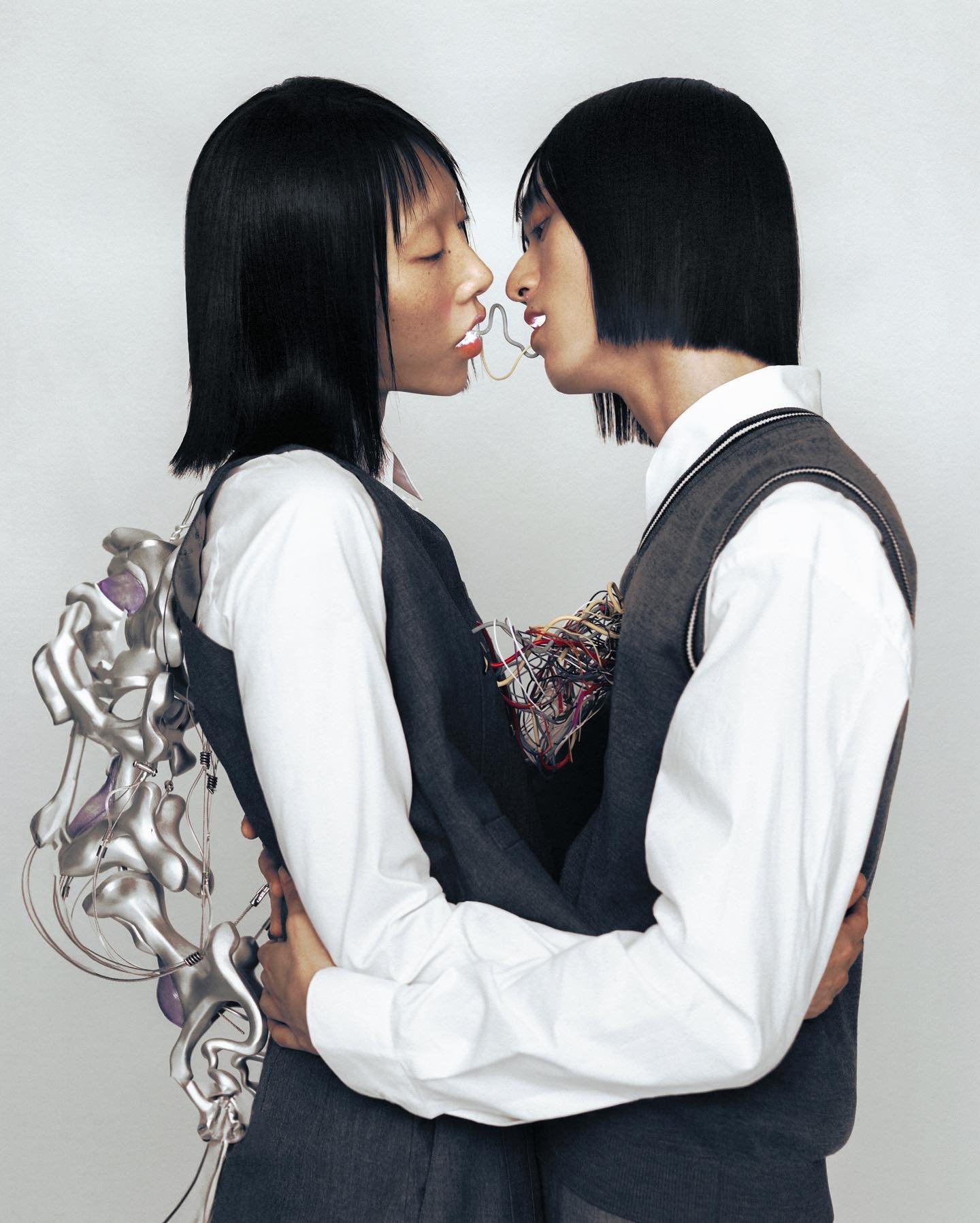
Words by Liv Franks
We are told to maintain silent vigil over our birthday candle wishes. That they instantly become impotent when given the guise of the spoken word. As if the presence of words is an unempowering thing. As if words don’t carry centuries of history, quirk and significance every time we use them. So, what happens when you put words through AI systems? Is the word’s soul minced and spliced like meat forced through a sausage stuffer?
In ancient Japanese culture, Kotodama (言霊) is the belief that words possess an inherent mystic power. It is believed that Kotodama has the ability to shape reality, change opinion, even mould environments. Stemming from animistic Shintoism, the etymology of the word combines “speech” (koto) and “soul”(tama); by adding sound to the written word, souls are born which convey cultural and emotional heft. Calling out someone’s name lovingly (or otherwise) can impact them, even if it is not audible to them.
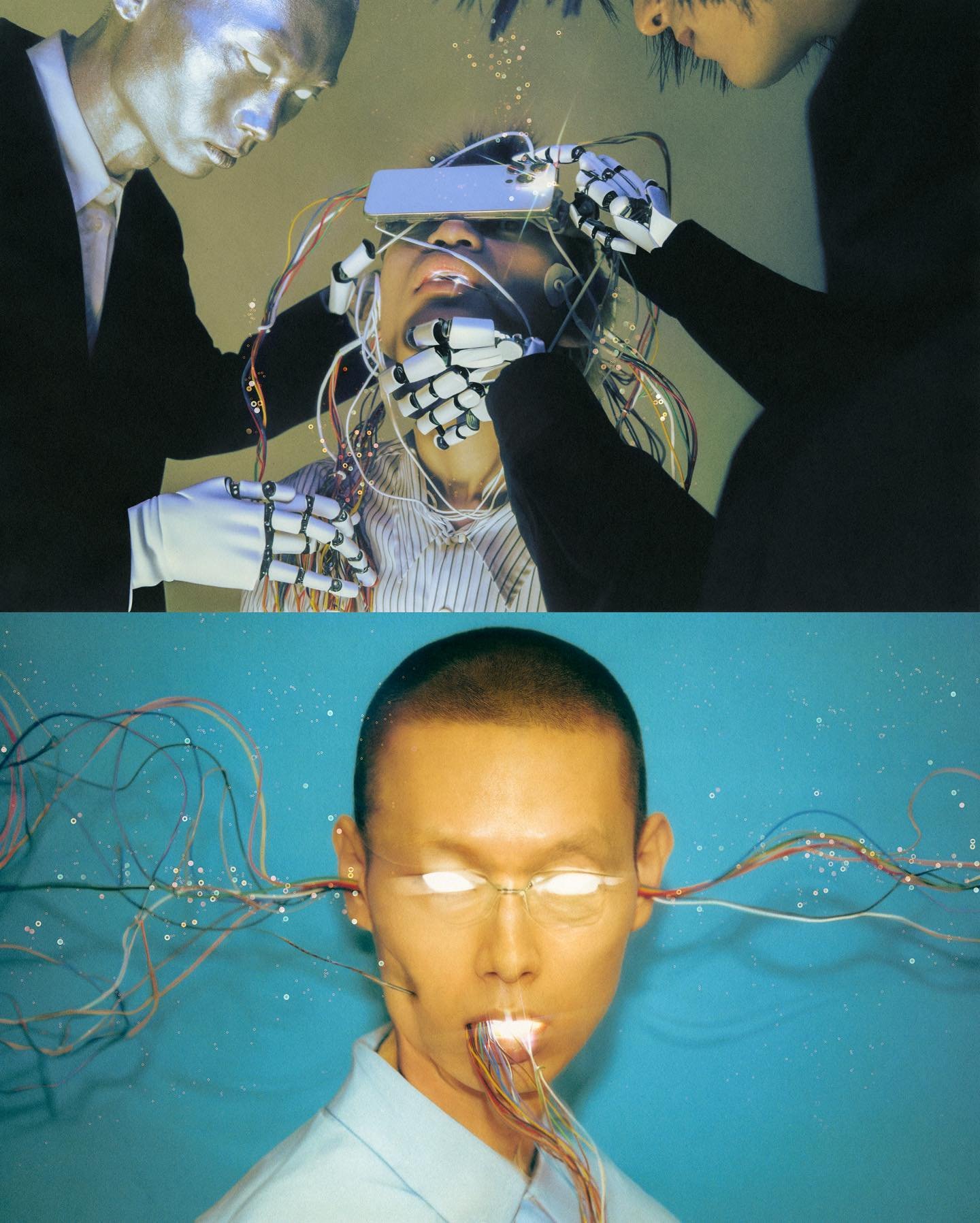
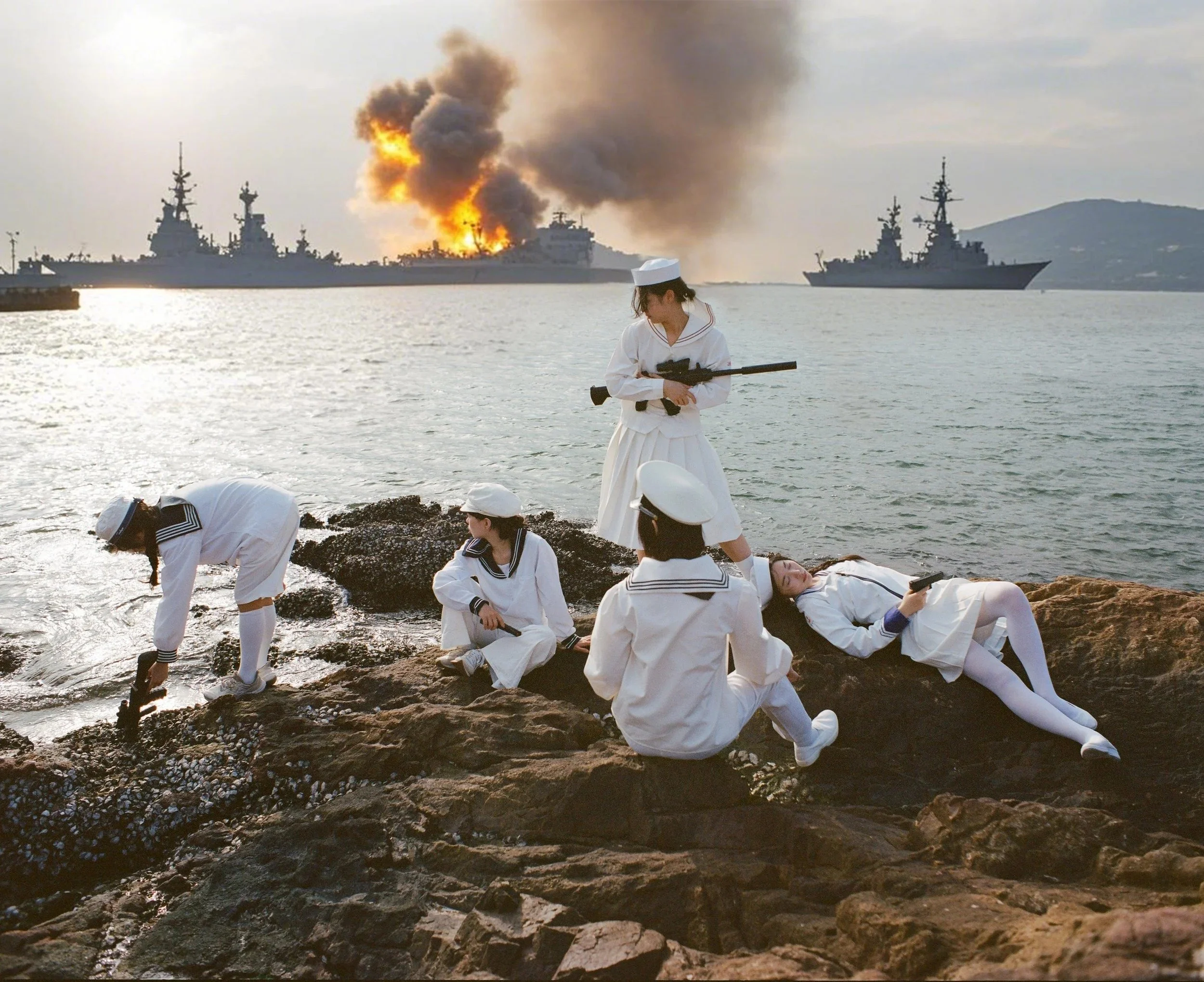
Photography by Cho Gi-seok
“Someday we’ll be able to measure the power of words. I think they are things. I think they get on the walls, they get in your wallpaper, they get in your rugs, in your upholstery, in your clothes. And, finally, into you.” — Maya Angelou
Initially only Shintoist incantations were viewed as divine but, as centuries have passed, the belief has evolved into something altogether more holistic. Essentially, words carry life energy, both positive and negative. A popular example is Japanese weddings. Any word relating to separation or ending is to be avoided at all costs or else you risk bringing around the demise of the union. Words like wakareru (to be divorced), kireru (to cut off), and owaru (to end) are all strictly banned from wedding speeches.
That may be one of the reasons why manifestations have grown in popularity over recent years. People bringing kotodama into their everyday lives by evoking the positive power of words Recognising that their brains are programmable: input positive, output positive.
“Someday we’ll be able to measure the power of words. I think they are things. I think they get on the walls, they get in your wallpaper, they get in your rugs, in your upholstery, in your clothes. And, finally, into you.” - Maya Angelou
Words of consequence aren’t limited to Japan. To say Macbeth inside a theatre is to invoke horror and misfortune. Seven letters. Two Syllables. Enough to bring multi-million pound productions to their knees. In Salem, words considered to be a witch’s spell could condemn a woman to death.

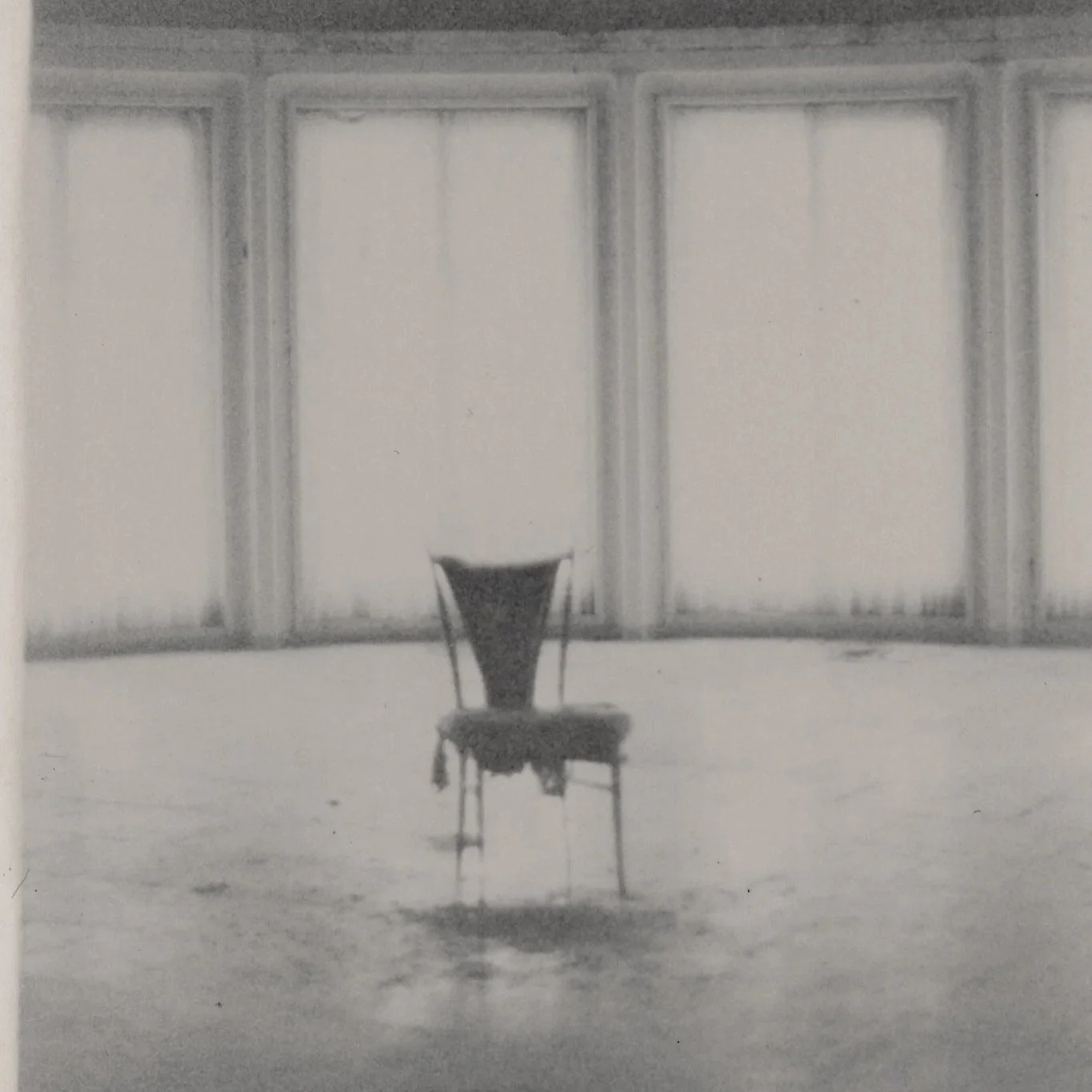
Photography by Cho Gi-seok
Another example is song. The rallying call of oral counter-culture became an fundamental tool to construct collective identity. When written by humans, songs have the ability to produce goose pimples. They touch you in ways that shape cultural debate. Billy Holiday’s 1939 rendition of ‘Strange Fruit’ being a seminal example. However, when songs are put through AI machines, told to hit the gold-star metric of 120 beats-per-minute, the beat fails to synch with a human heartbeat. The magic does not make it through the mechanism. What remains is a synthetic condensing of the human experience, ripped of it’s true soul, stripped of honest emotion.
From Elena Poniatowska to Mario Vargas Llosa, Latin American authors have long toyed with how to translate oral history into literature. How do you keep the magic of orality alive when words are not spoken aloud? Is Kotodama still able to infuse a written text? In reply, they turned to magical realism. Gabriel García Marquez’s magical realist masterpiece Cien Años de Soledad is, among other things, an ode to the oral tradition that was under attack from intense periods of urbanised industrialisation. It was a tool to protect the culture of the word. To ensure the Kotodama already experienced by generations was safeguarded for those yet to come.
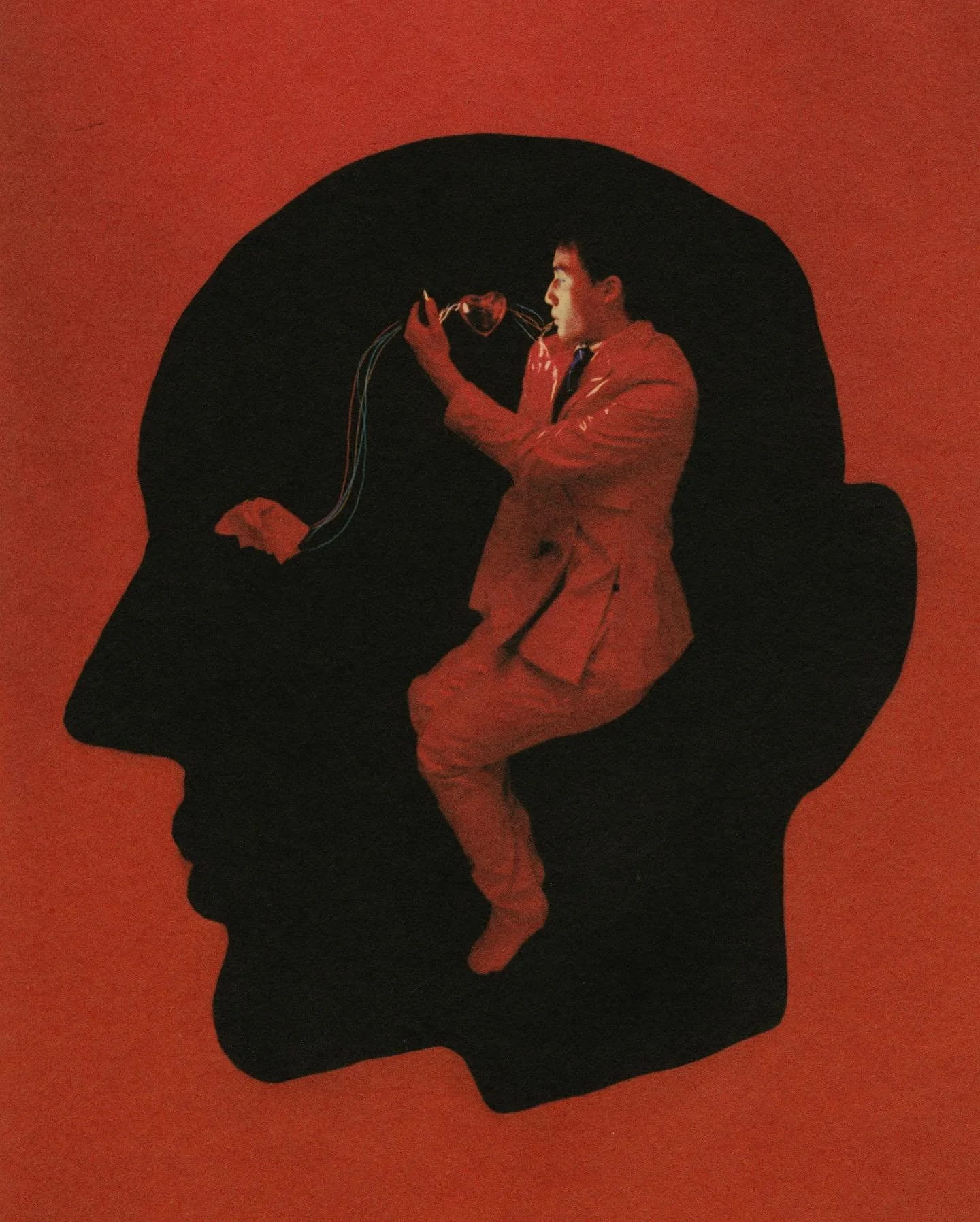
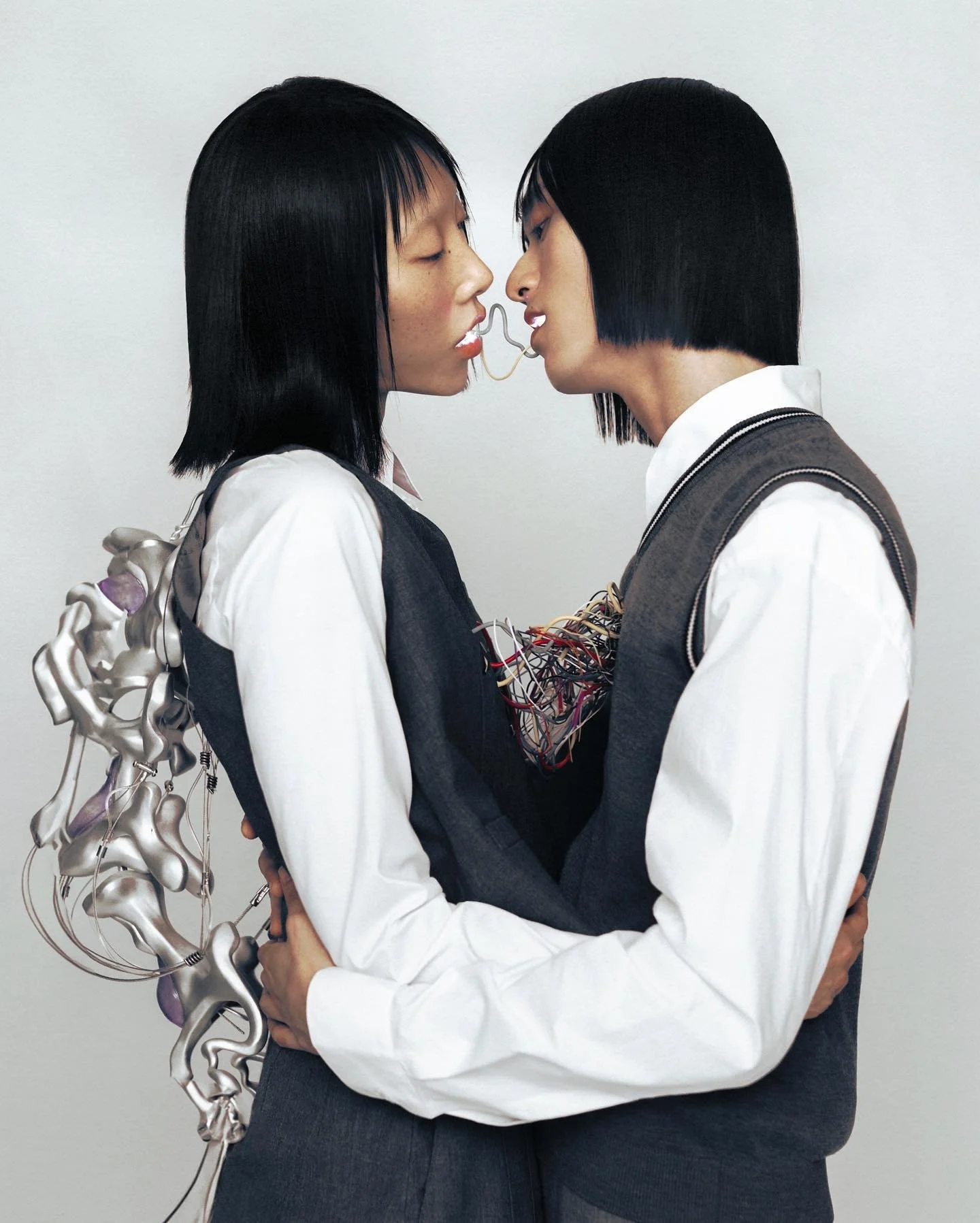
Photography by Cho Gi-seok
“Then again, the “great” novels of their time are so frequently lauded because they reflect their specific time period. Does that mean a fully AI generated book is likely to resonate with the public’s daily life that is increasingly reliant on artificial intelligence?”
That is not to say all authors sanctify the magic of words against AI. Recently, Nobel and Booker Prize winner Olga Tokarczuk admitted she inputs her work into AI to generate more research and ideas for her novels. An author known for her lengthy, non-linear, poetic writing is happy to put her original, unpublished text through the cogs of AI. Tokarczuk is apparently content for an large language model to mine her writing style and reproduce it for others.
Putting aside the astonishing environmental impact of AI, another great danger presented by artificial intelligence consuming and regurgitating our words back to us is homogenisation. The acceptance of farmed thoughts as the correct way to live. One amalgamated search engine result seen from screen to screen across the globe becomes the status quo. Herd mentality turned up to ten. The stagnation of the individual mind. An acceptance of homogenised living with no difference between the hundreds of people who pass you by on the morning commute - how scary is that?
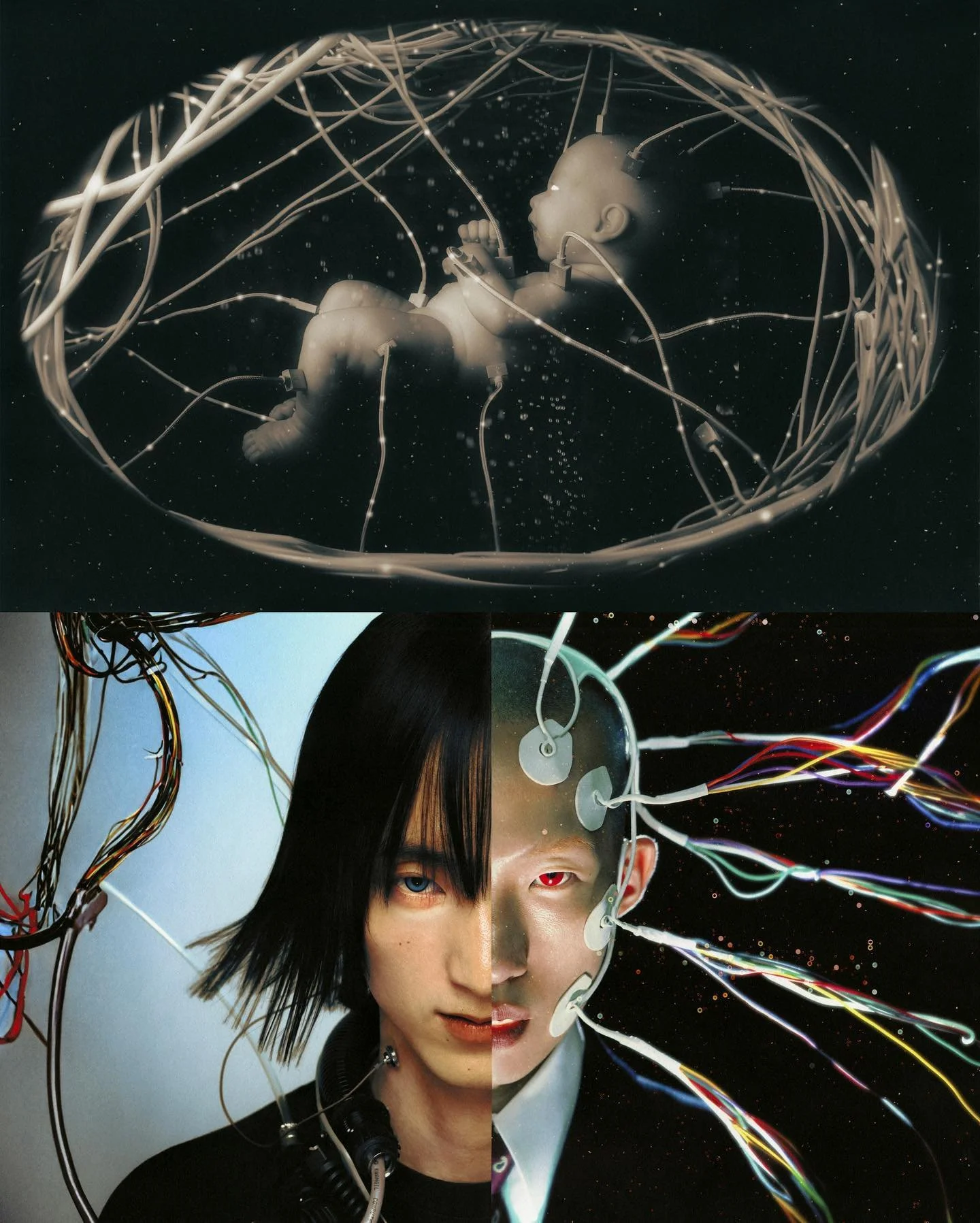
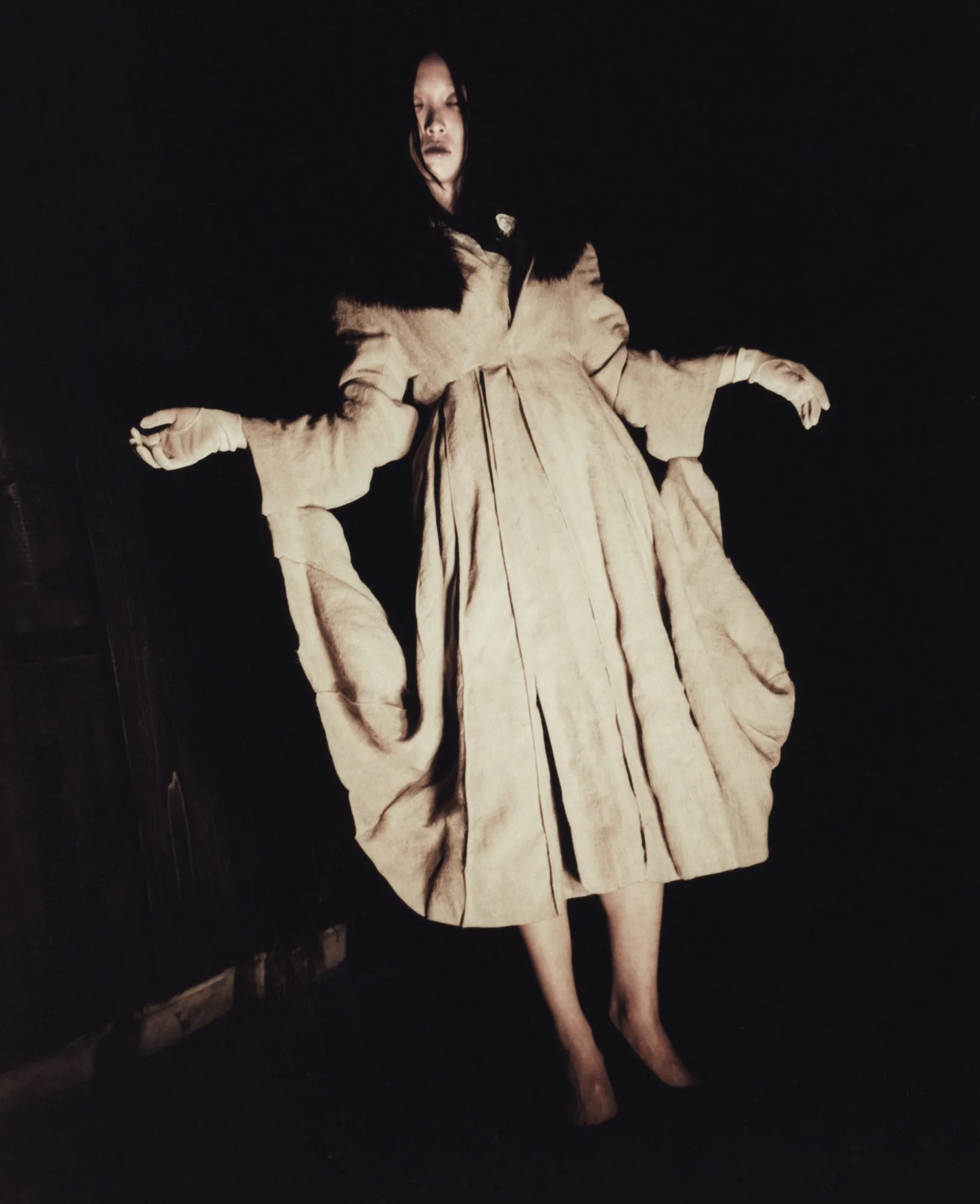
Photography by Cho Gi-seok
Then again, the “great” novels of their time are so frequently lauded because they reflect their specific time period. Does that mean a fully AI generated book is likely to resonate with the public’s daily life that is increasingly reliant on artificial intelligence? Will it win the Booker Prize in the next five years? Has it already happened and we just don’t know? Or will it generate a reactive wave of literature? Some form of surreal, absurdity that celebrates socialised sensuality in a way a machine in the Bay Area would never be able to replicate.
The power of words relies on engrained human emotion. Layers of collective memory and knowledge are passed on through oral history and inflected with Kotodama. As people, we chase magic, precisely because it is ephemeral. Since humans don’t know exactly what makes something magic, not in any definitive, scientific way, we are surely incapable of creating a machine that can do it before us. Whilst the mechanism can replicate the form, it cannot match the magic.