SEETH ANARCHY LIBRARY: Erotica, Punk and the Magic of the Printed Form
Interview by James Elliott
Never before in the history of humanity has the consumption of the image been so easy. With the flick of the wrist and a swipe of our phones, we swiftly become inundated by a stream of algorithmically curated photos. Nuggets of visual dopamine hits instantaneously delivered before our eyes, perfectly in sync with our own singular tastes. Much like French sociologist and philosopher Jean Baudrillard's notion of “hyperreality”, the once respected image has seemingly devolved: reduced to a string of noughts and ones, endlessly scanned, reshared and separated from its original context.
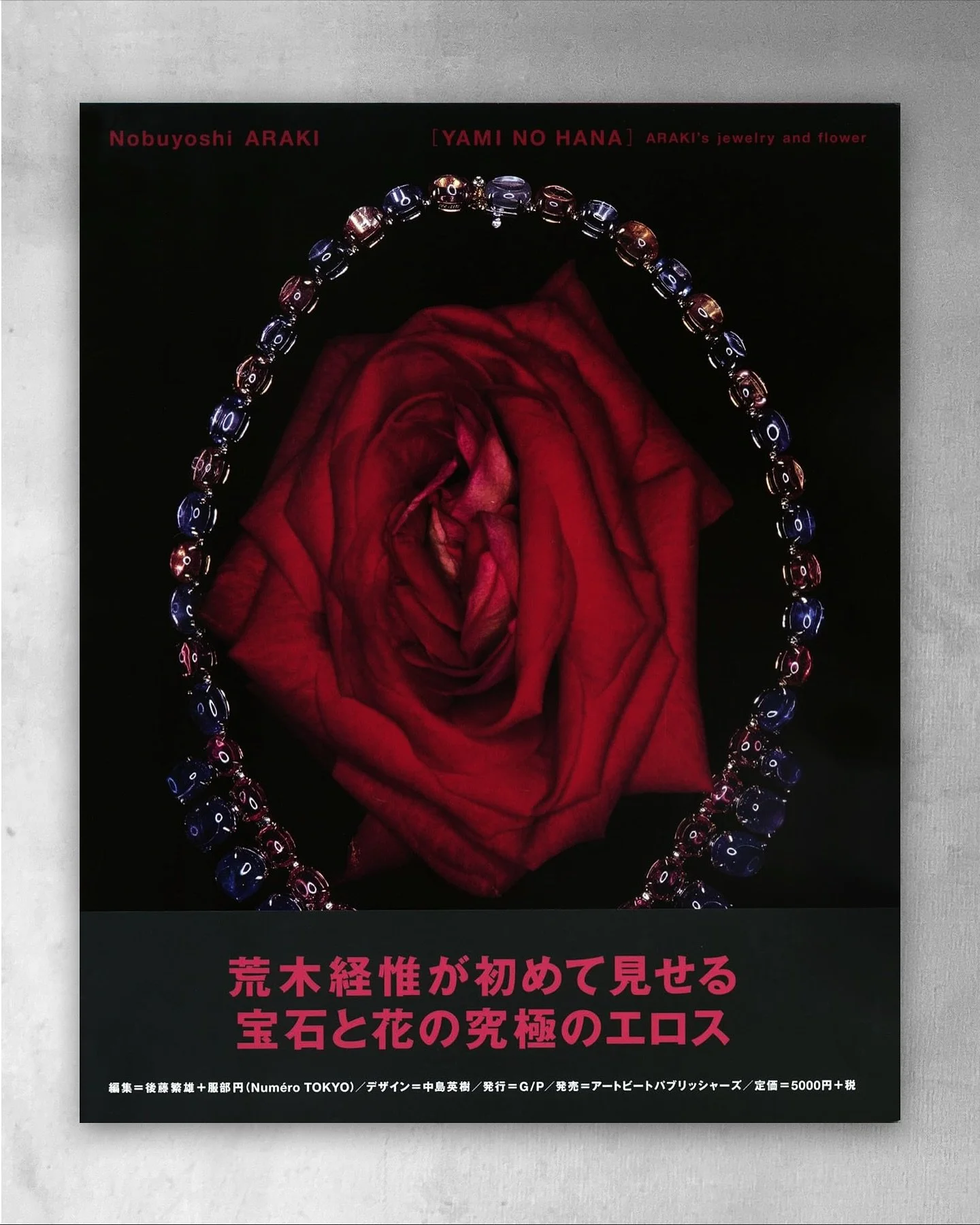
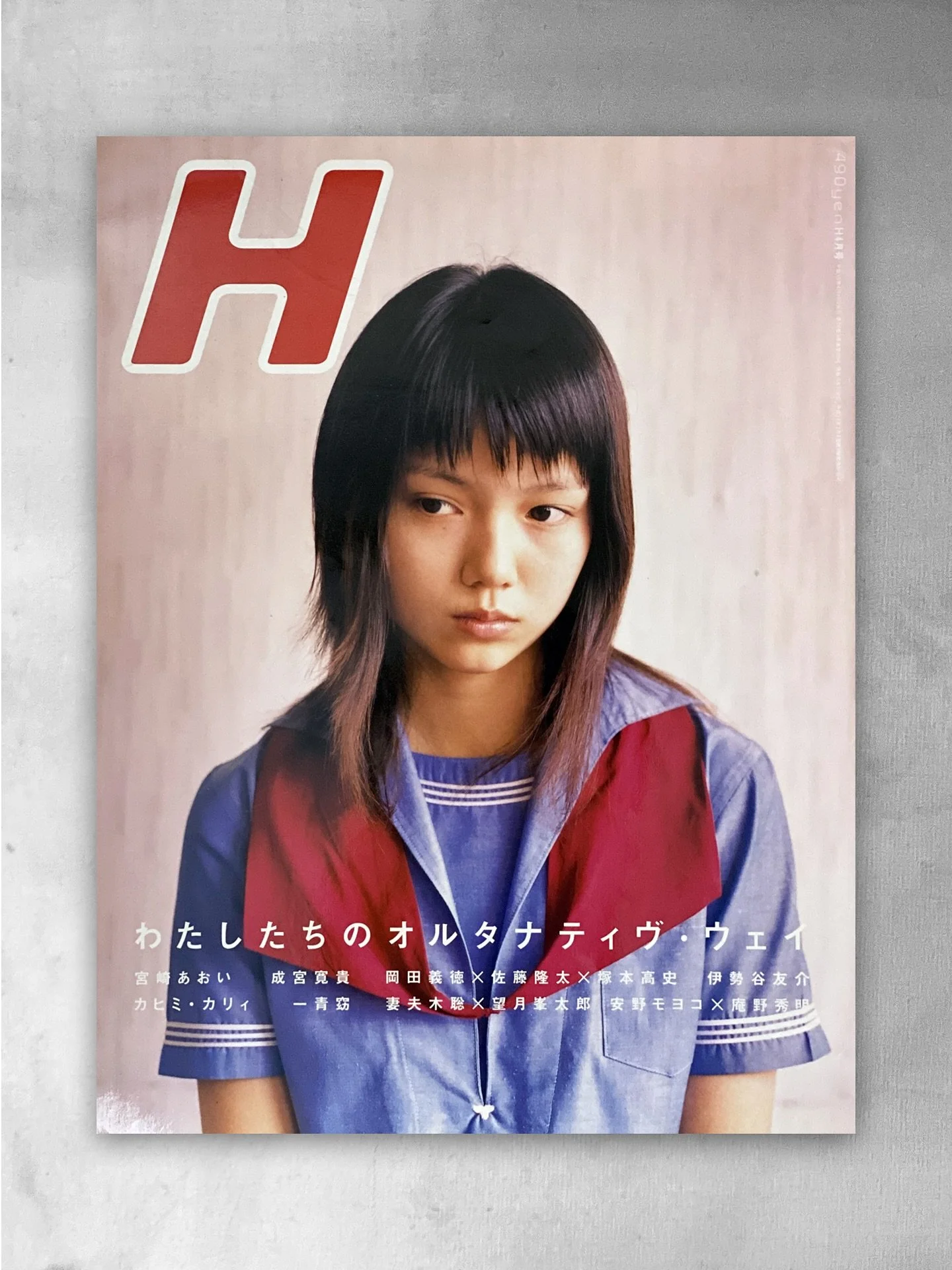
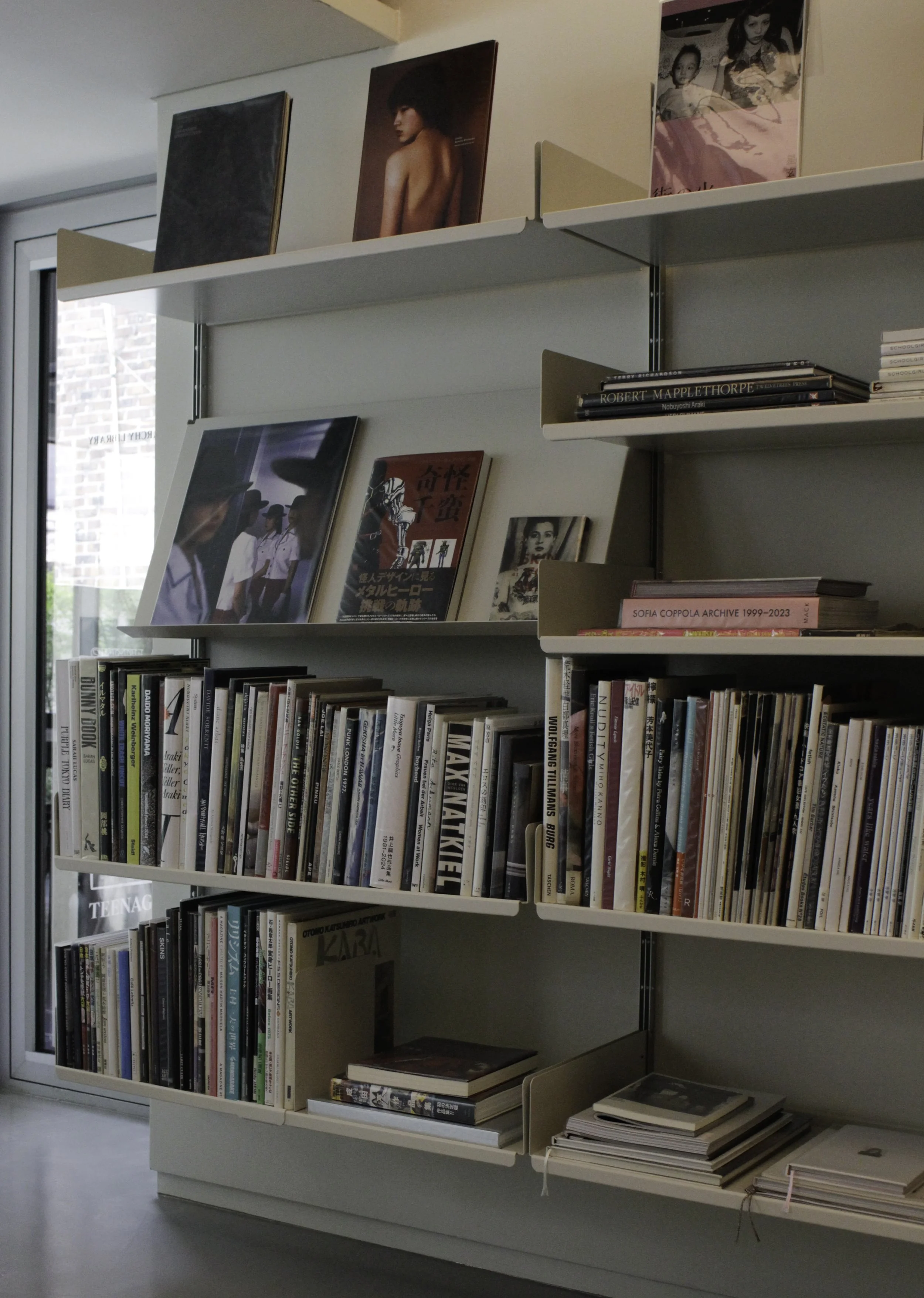
SEETH ANARCHY LIBRARY is a project founded by Noh Heesu that looks to be an antidote of sorts for this over saturation of imagery. “When images and information are so easy to access, they’re often just as easy to forget." Heesu explains. With a physical collection now spanning near 4000 books, ranging from artistic provocateurs such as Nobuyoshi Araki and 90s darling of the photo realm Hiromixx, the library looks to bring back primacy to the printed form, with a twist of punk, erotica and attitude thrown in for good measure.
Phantasy recently spoke with founder Noh Heesu to discover the genesis of this, in many ways, counter-cultural project, the magic of physical media, as well as the art of curation in a post-algorithm world.
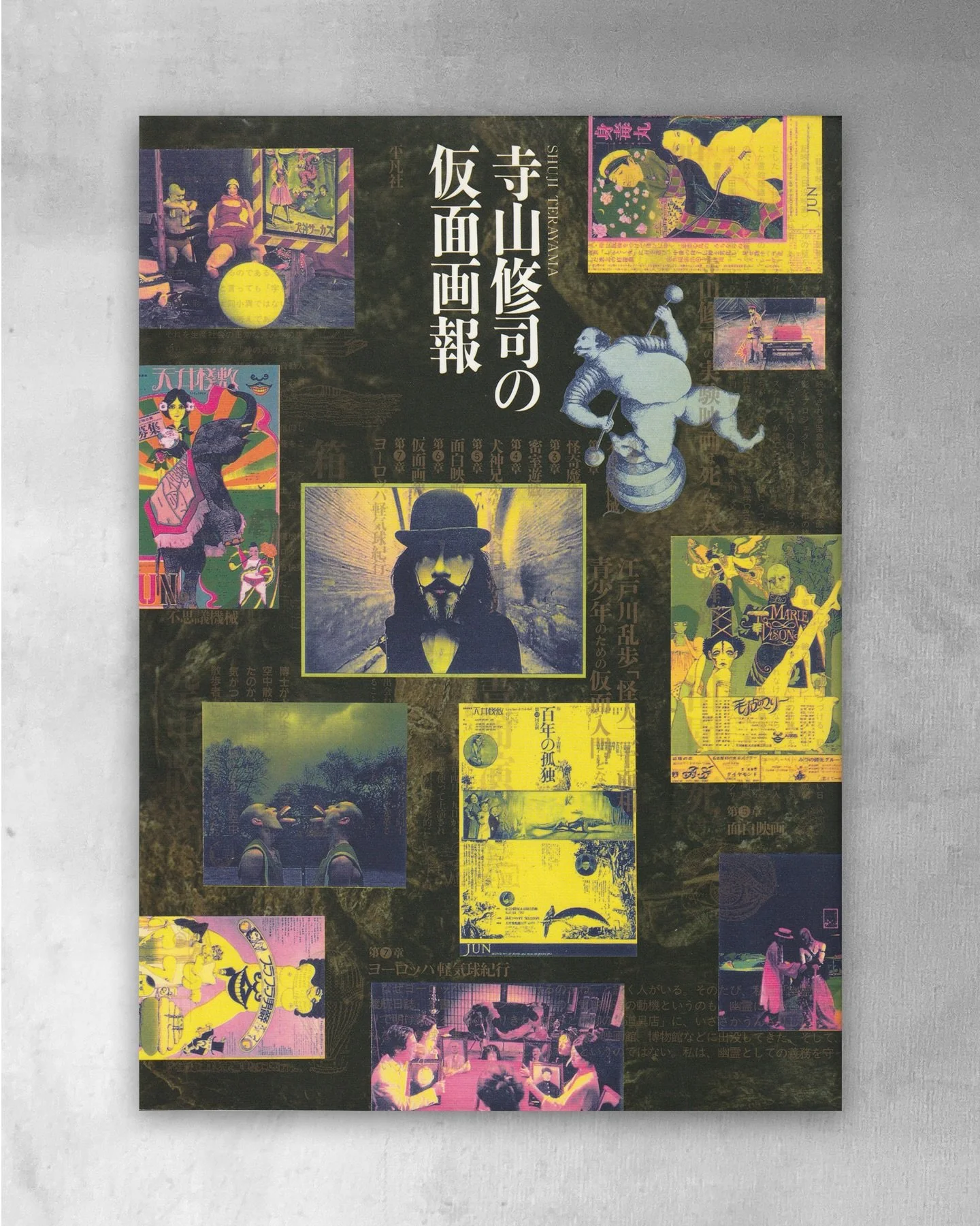
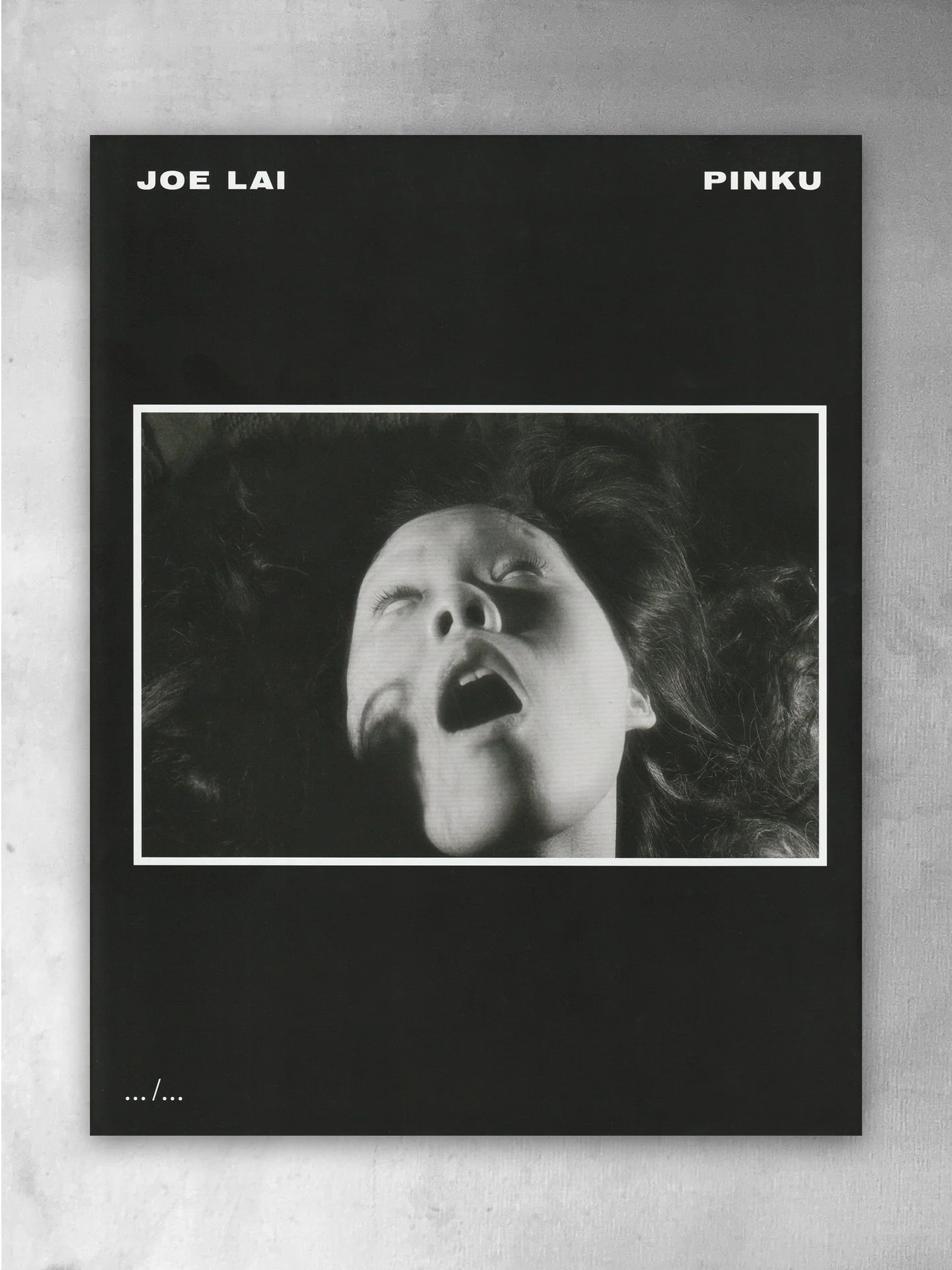
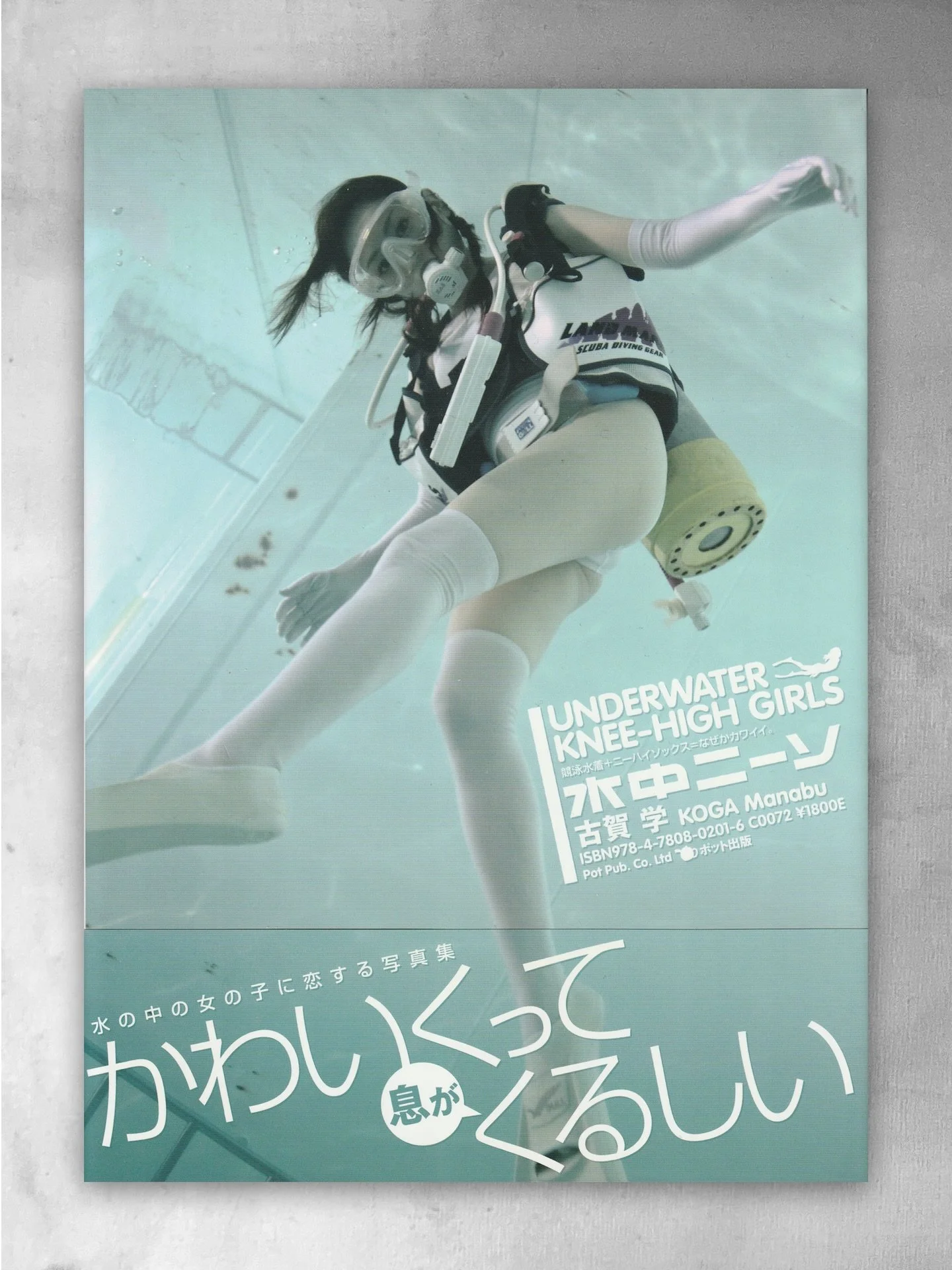
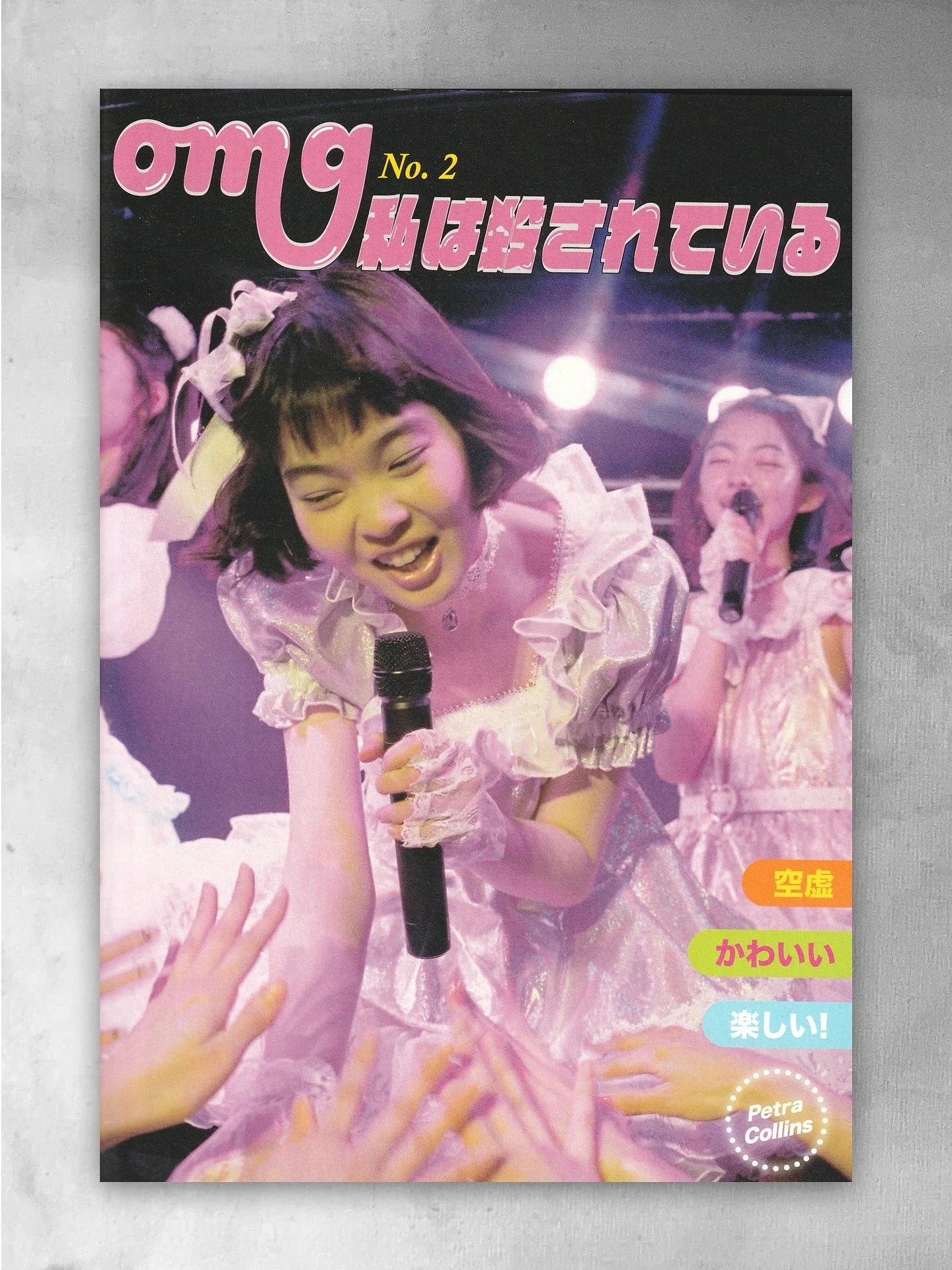
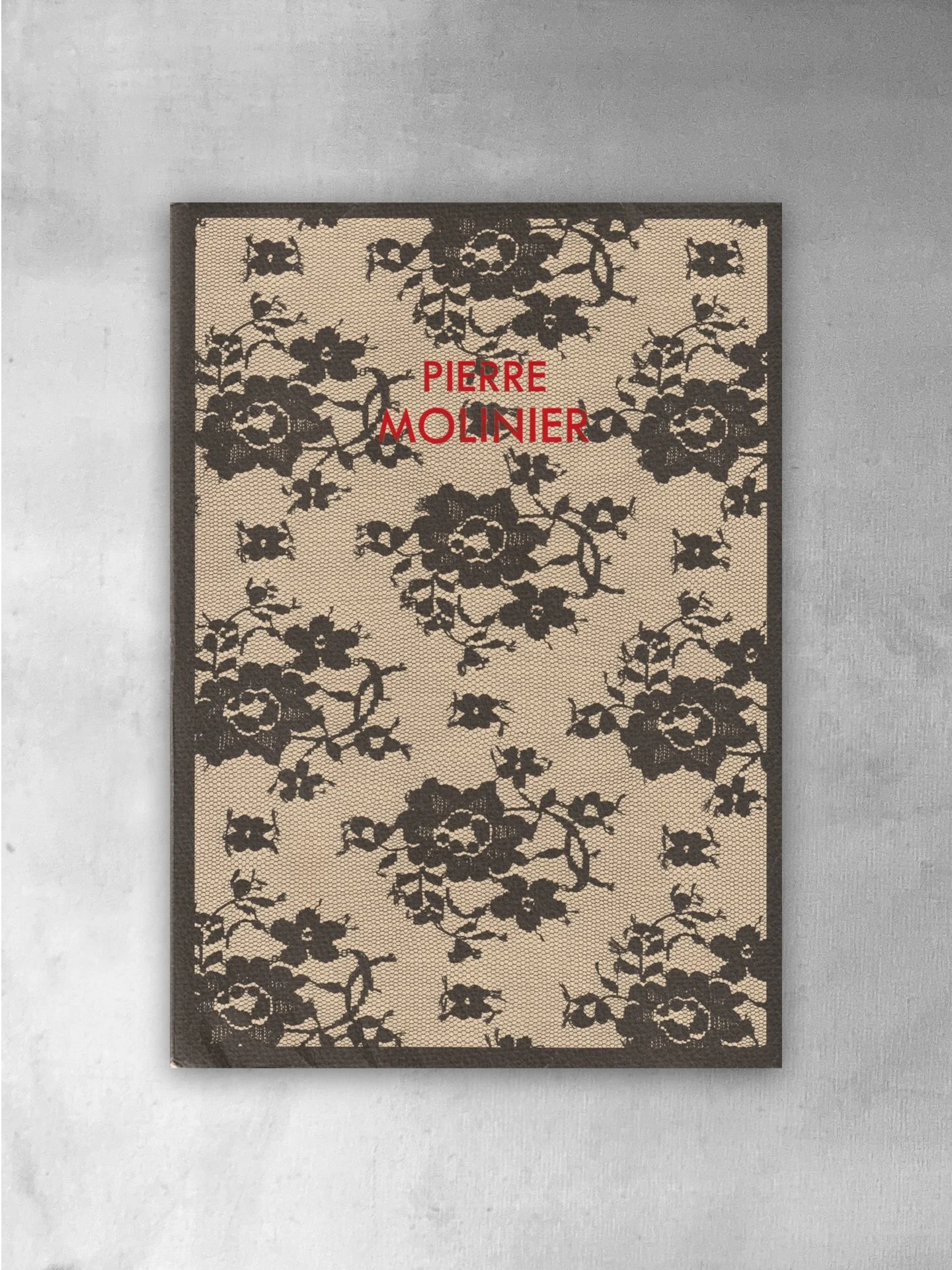
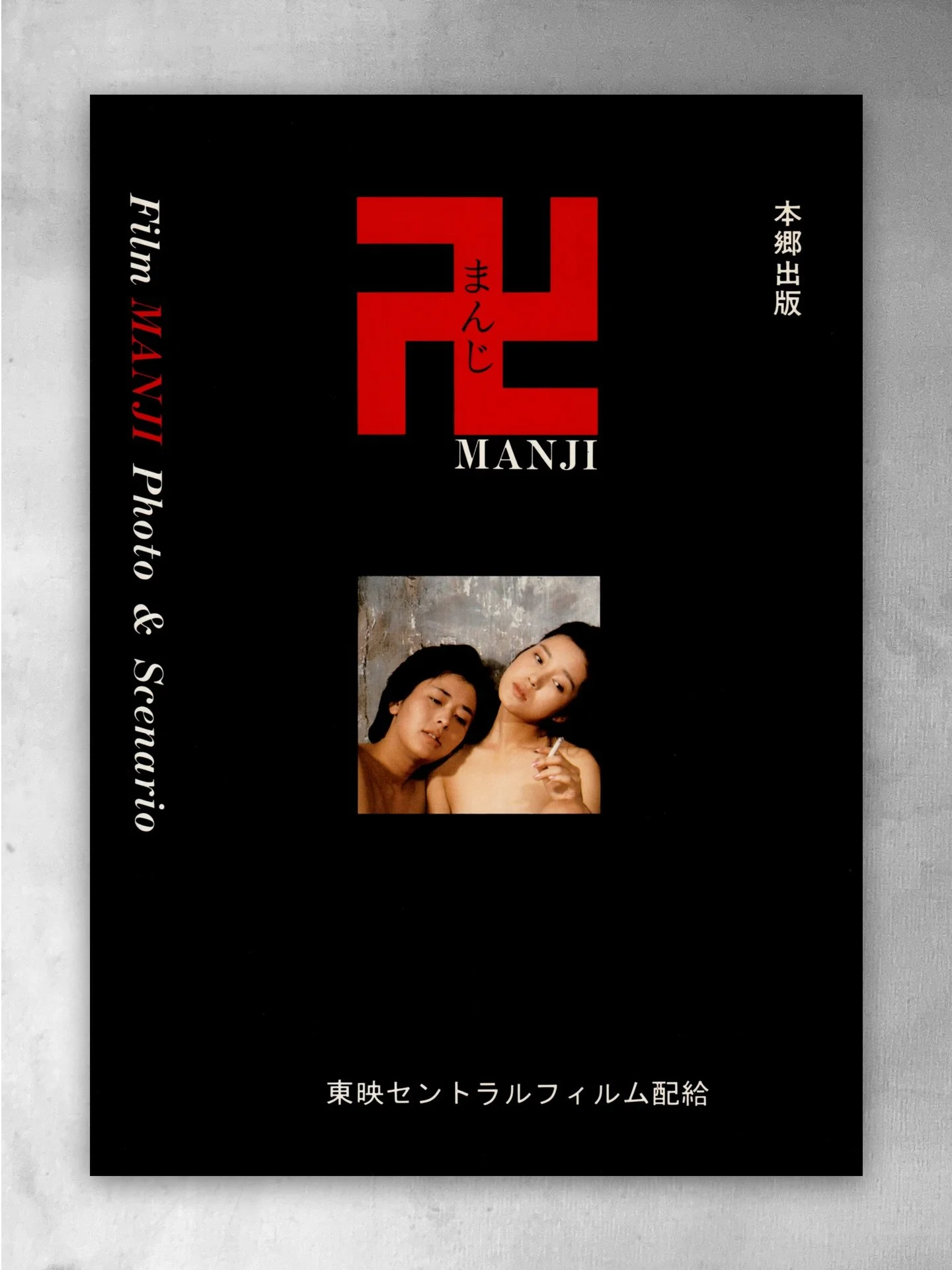
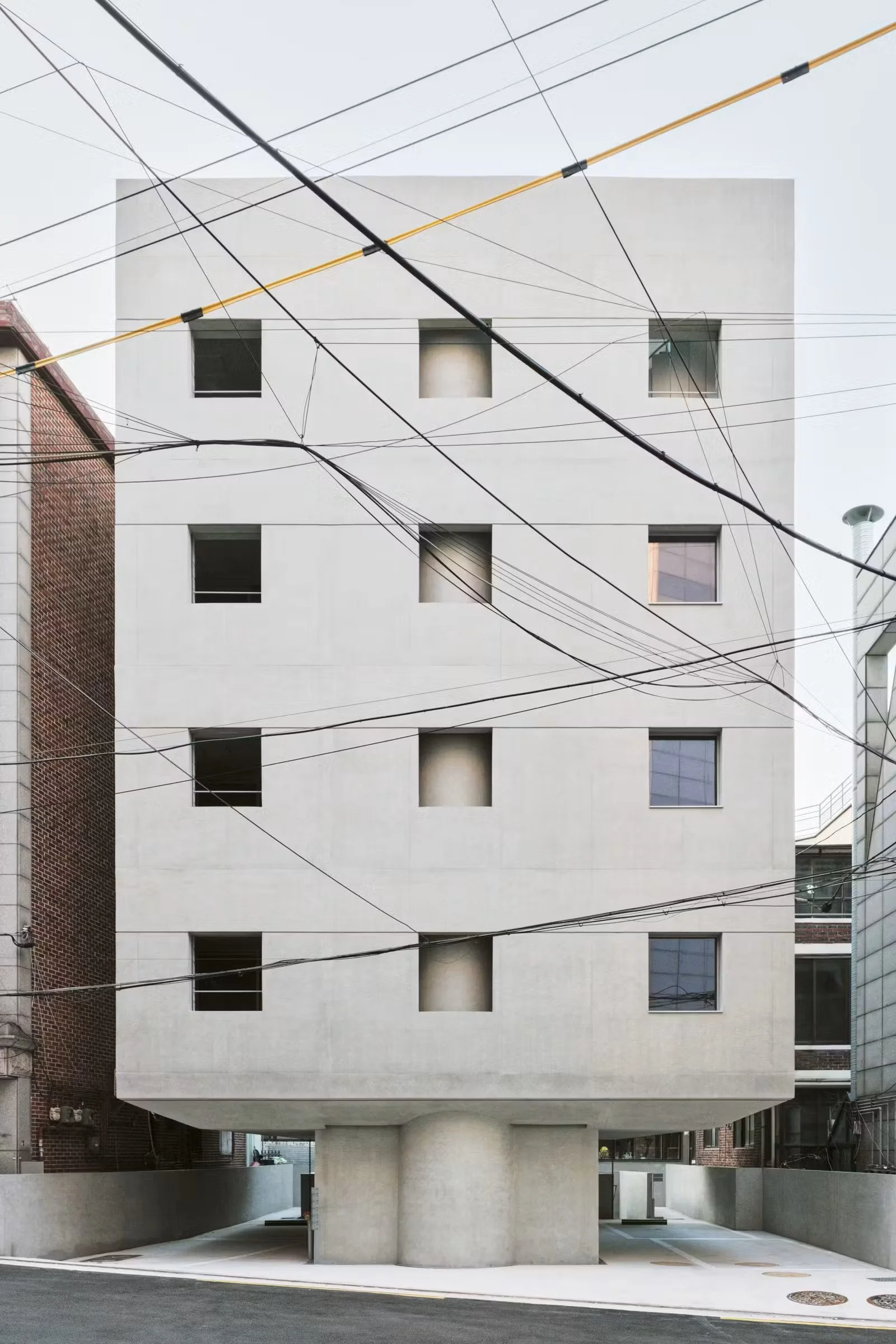
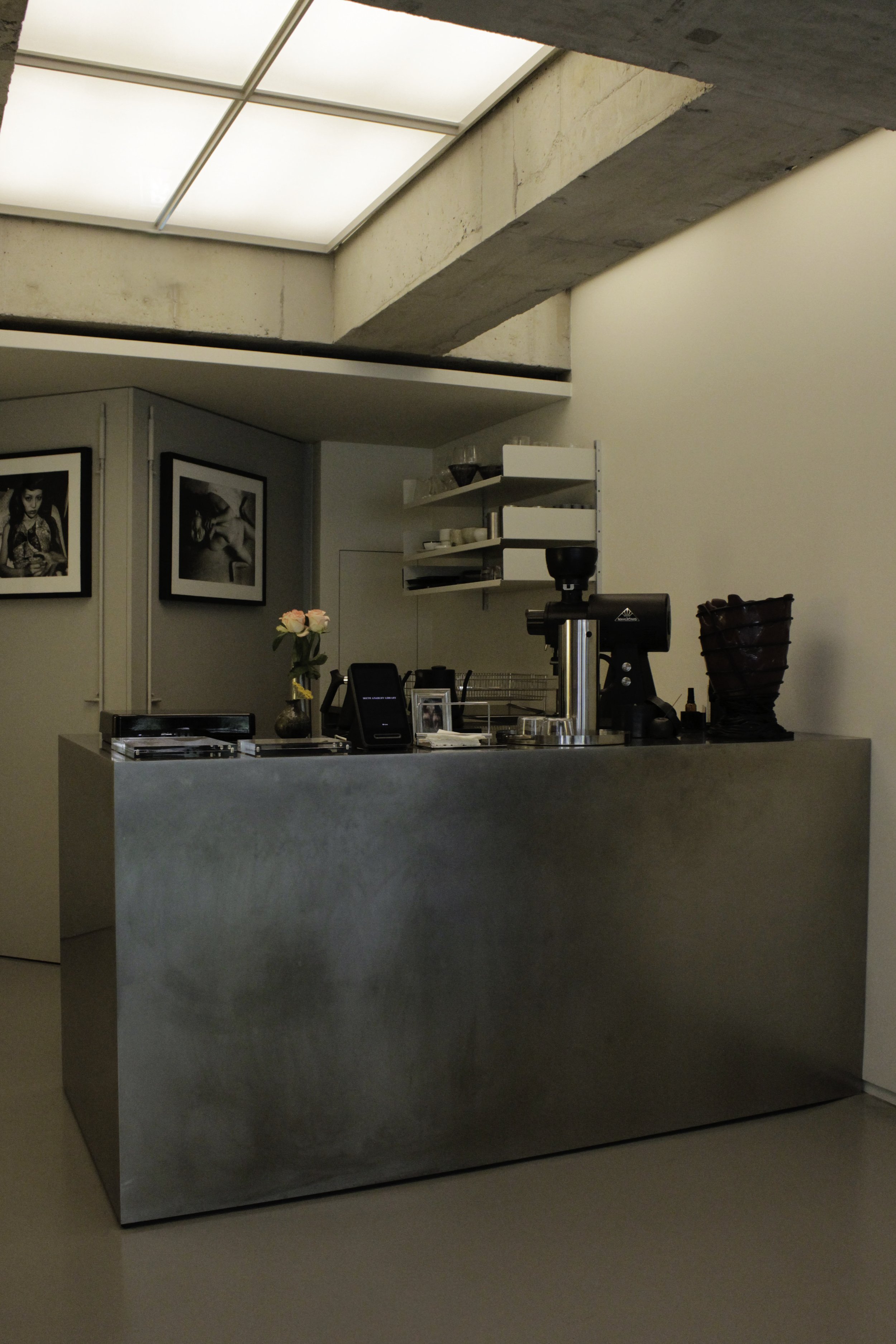
Seokyo Building home of SEETH ANARCHY LIBRARY
Phantasy: How did you start the SEETH ANARCHY LIBRARY and how did you come up with the name?
Heesu: SEETH ANARCHY LIBRARY came about after my girlfriend returned to Korea from studying fashion abroad. She later joined a Korean fashion brand, and while researching for work, we found it surprisingly difficult to access many of the overseas photobooks and art publications we wanted to see.
So we began sourcing those books ourselves, one by one. Over time, what started as a purely personal collection gradually grew into something much larger. At first, we were collecting simply for ourselves, but as the library expanded, we found ourselves wanting to share these books with others. We felt there should be a place in Korea where people could discover photobooks and art publications that were otherwise difficult to access, while encountering new perspectives and visual cultures. That idea ultimately became the foundation of SEETH ANARCHY LIBRARY.
The name was inspired by the kind of books we were drawn to. Much of our collection revolves around erotica, punk, fashion, and subculture, so we spent a long time searching for a name that could capture that sensibility.
Eventually, we found inspiration in Panty Anarchy, one of the protagonists from the anime Panty & Stocking with Garterbelt. We paired ‘Anarchy’ with “Seeth”, adapted from the word “see-through”, and that’s how the name SEETH ANARCHY came to be.
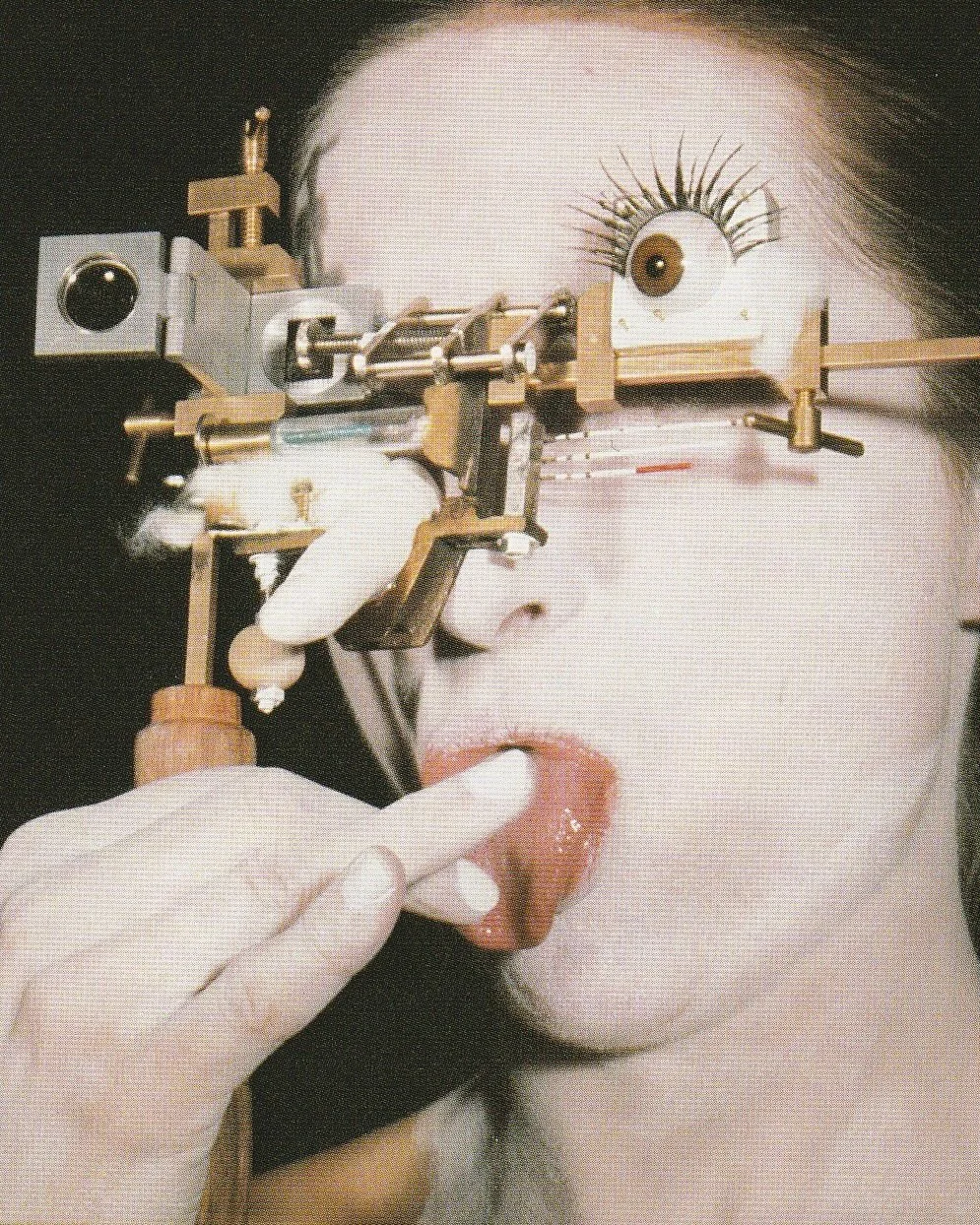
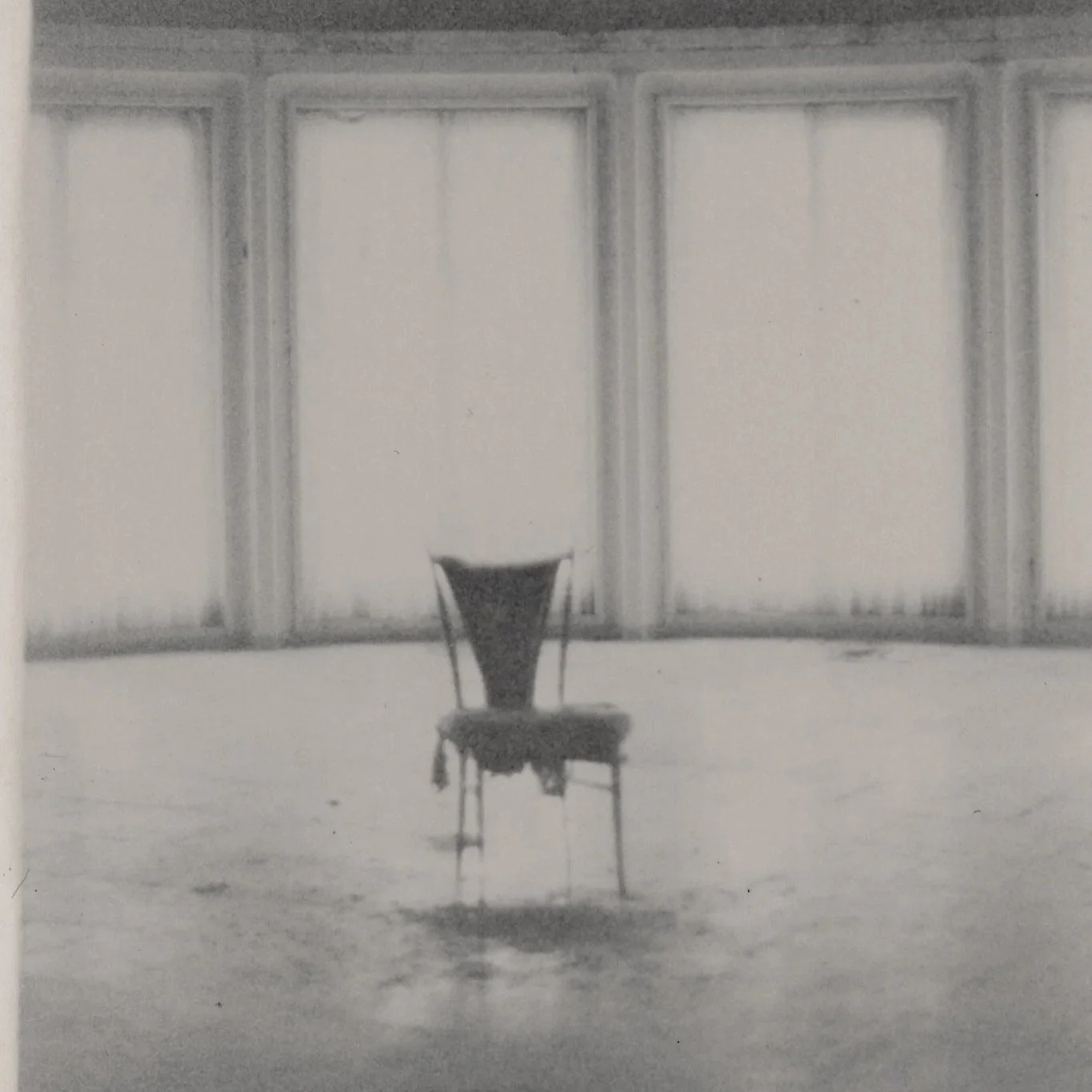
Shuji Terayama, Masked Pictorial Report (1991)
Phantasy: I read that both you and your partner have backgrounds in fashion. How do you think your experience working within fashion has shaped your approach to book curation?
Heesu: Actually, my girlfriend is the one with a professional background in fashion. I never worked in the industry myself, although I’ve always been deeply interested in fashion and have collected clothing for many years.
Fashion is a field driven by visual inspiration. Creating meaningful work requires far more than simply looking at clothes. You have to immerse yourself in photography, graphic design, cinema, music, art, and countless forms of subculture. Through that process, books naturally became an essential source of inspiration, and eventually those books became the foundation of our collection.
In that sense, our curatorial approach is very much shaped by fashion. Rather than focusing on a single discipline, we’re interested in drawing connections across different eras, cultures, and media. That’s something fashion taught us.
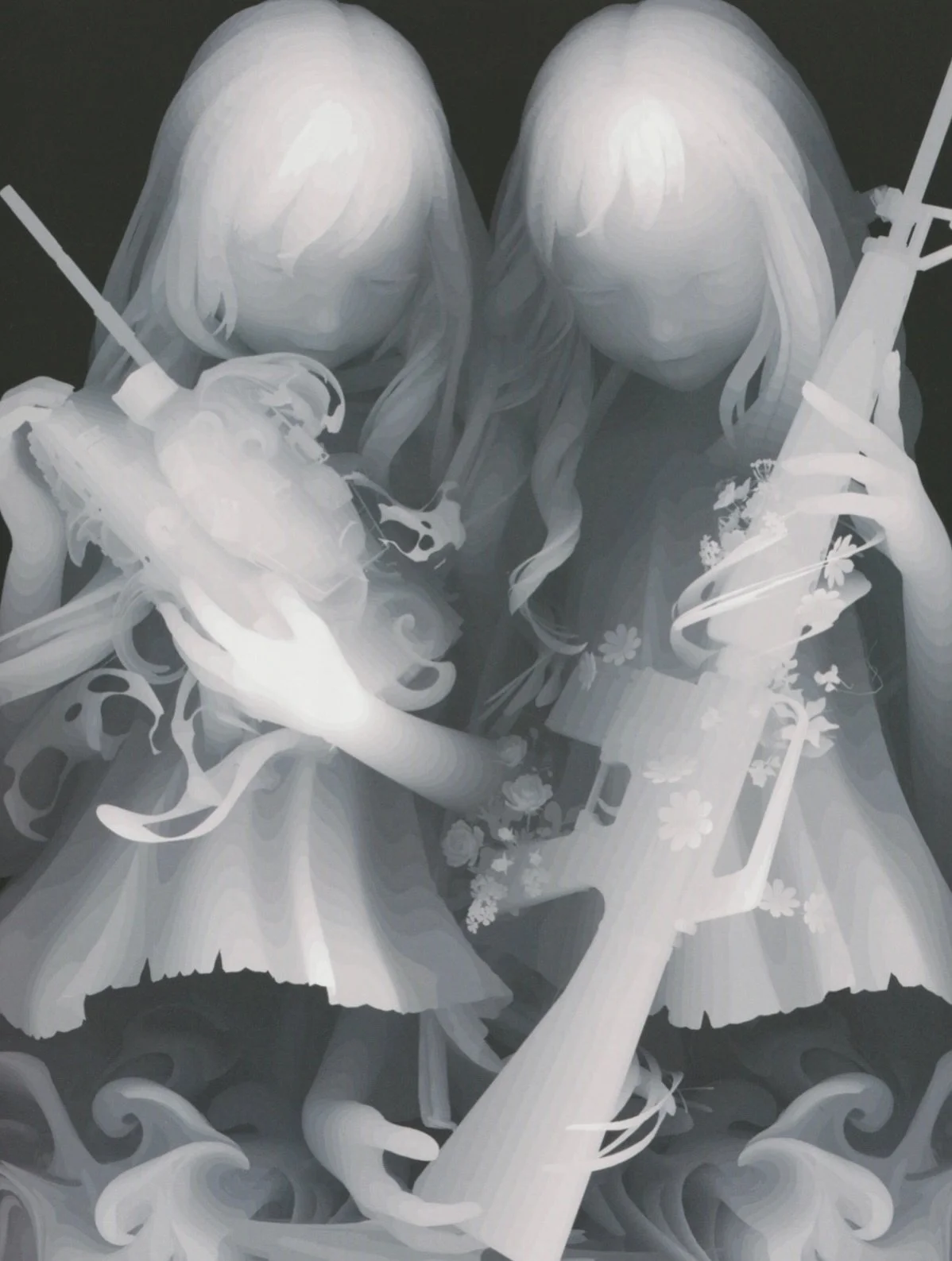
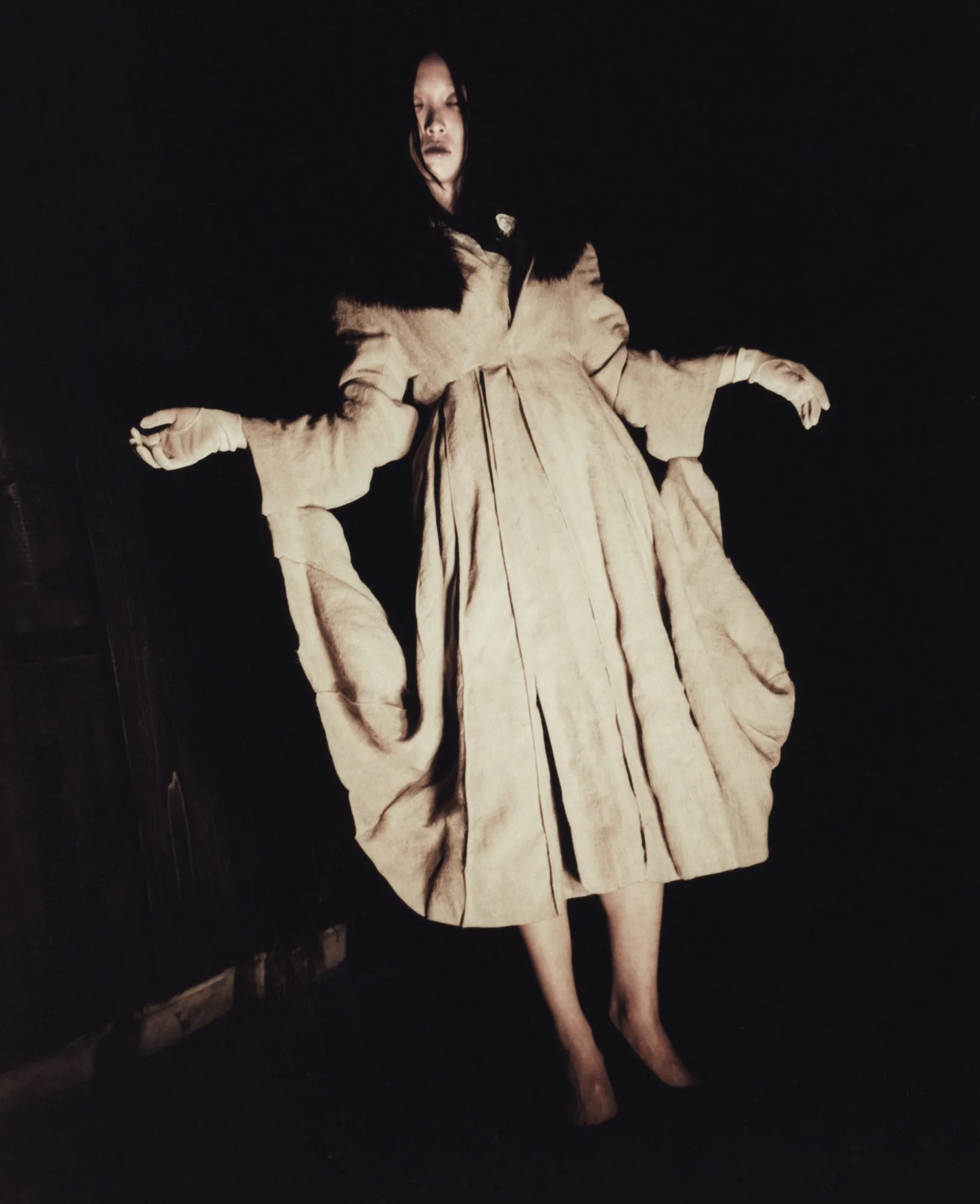
Kazuki Takamatsu, For Us to Live Freely (2024)
“If there’s a common thread running through the collection, it isn’t beauty. It’s attitude.”
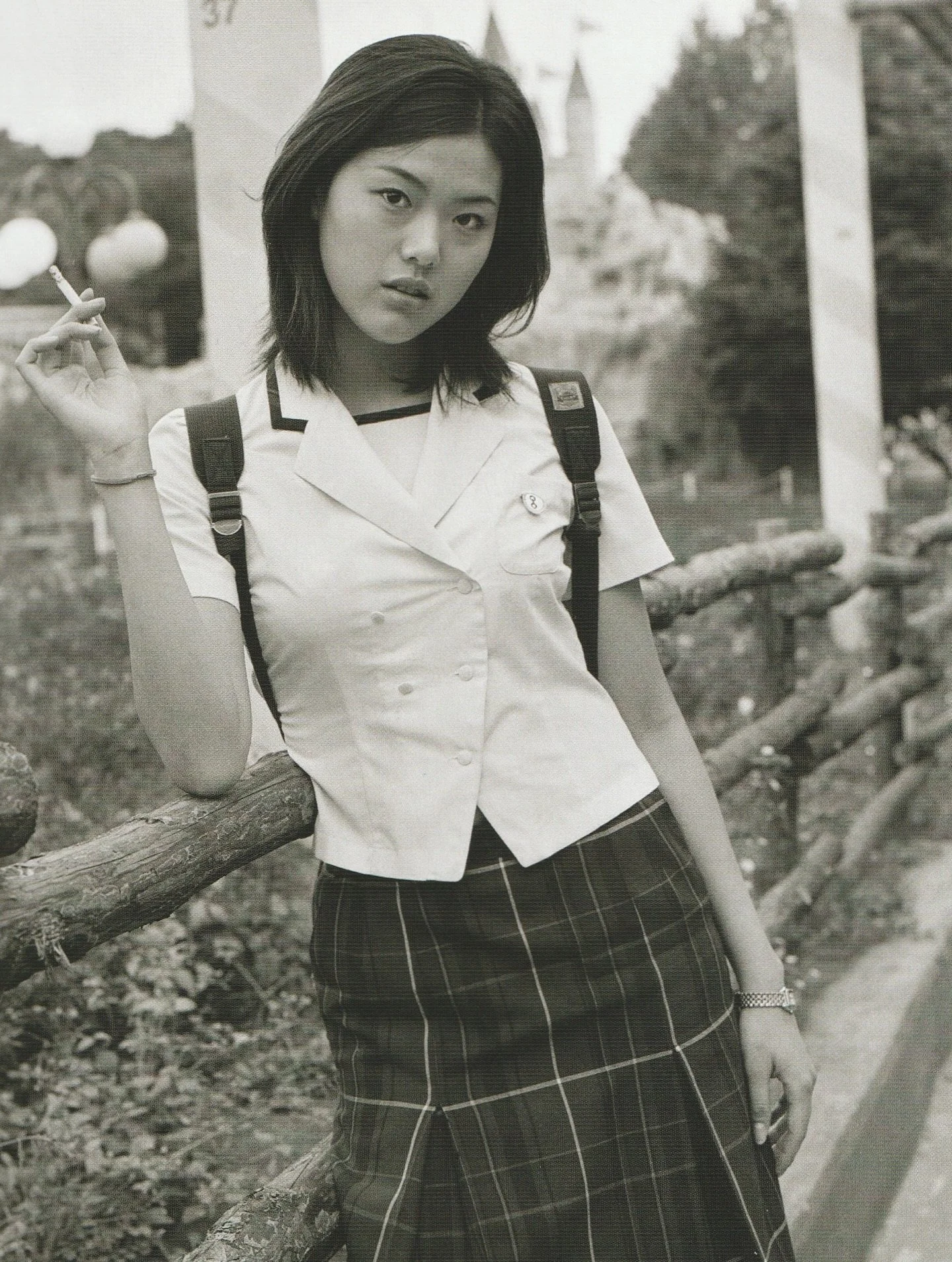
Park Sung Jin, Kid Nostalgia (2015)
Phantasy: How does a visit to SEETH ANARCHY LIBRARY work?
Heesu: We regularly choose a theme and re-curate our collection around it, allowing familiar books to be experienced from new perspectives each time.
Visits are by reservation, and each session lasts 90 minutes, during which guests are free to browse the books at their own pace.
Phantasy: How would you describe the aesthetic of the books that you have collected in SEETH ANARCHY LIBRARY?
Heesu: Our collection largely revolves around erotica, punk, fashion, and subculture, but what truly defines it is a fascination with uninhibited expression and strong individuality.
If there’s a common thread running through the collection, it isn’t beauty. It’s attitude.
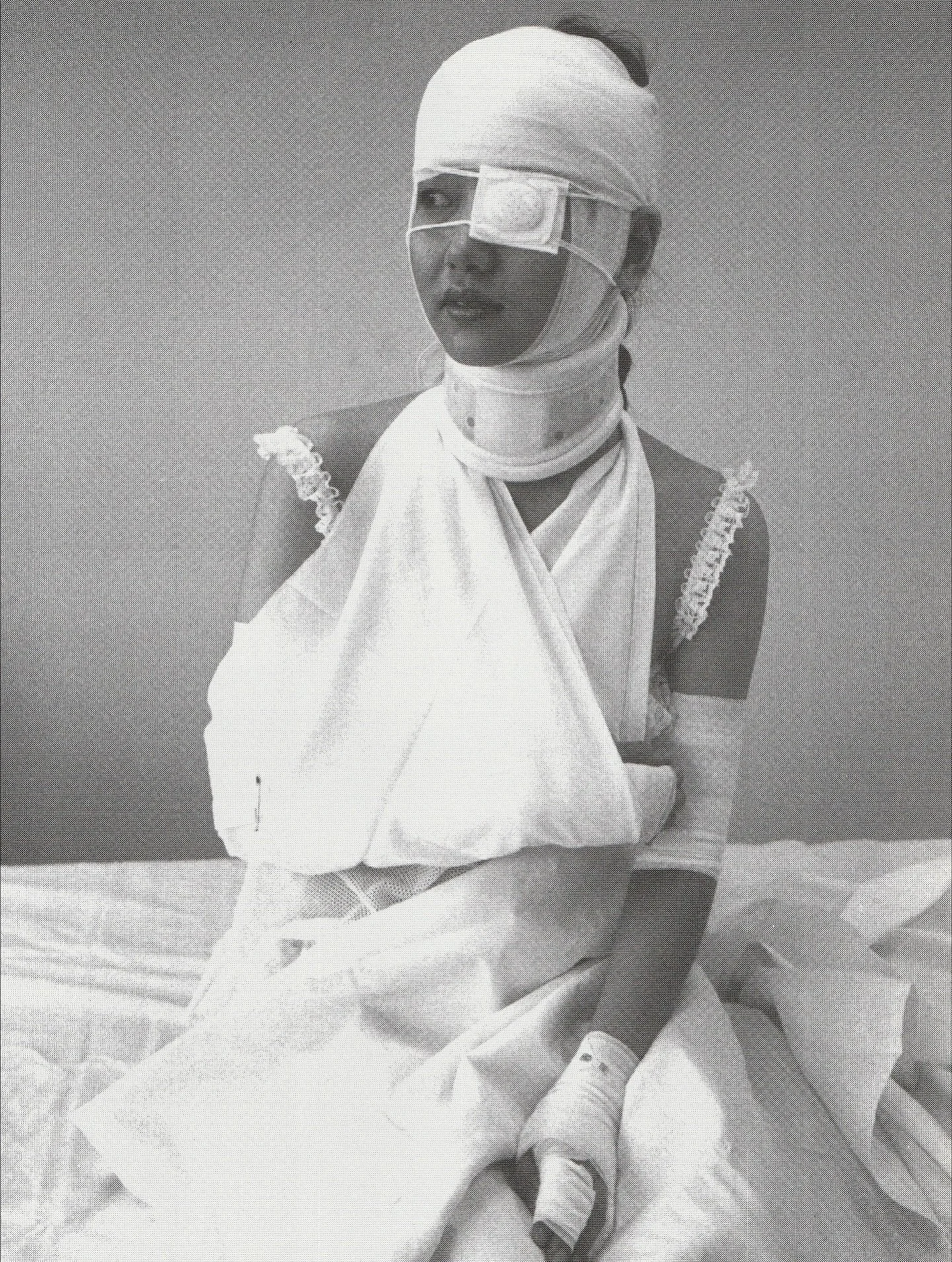
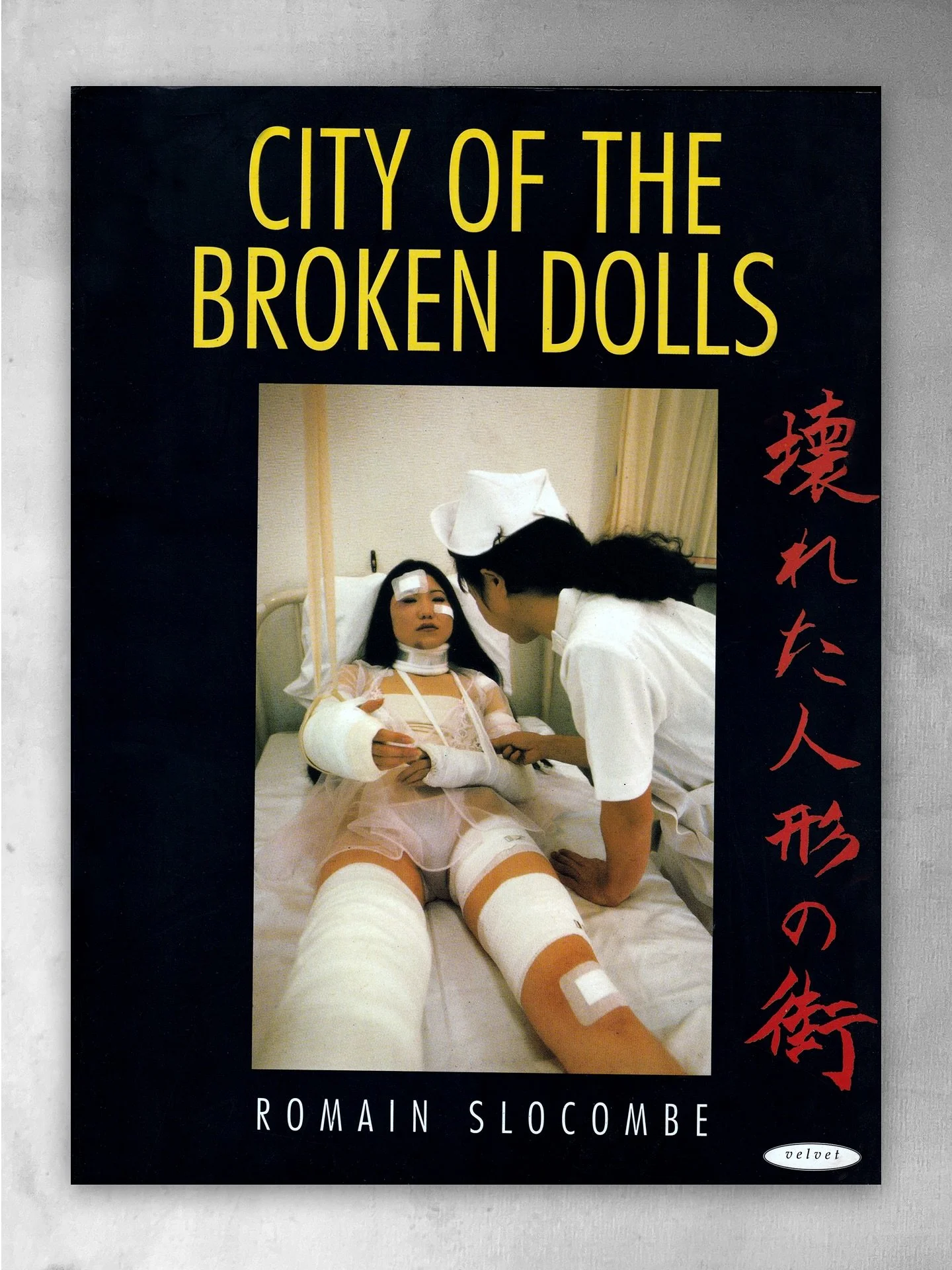
Romain Slocombe, City of the Broken Dolls (1997)
Phantasy: What is your process for curating? Is it something based purely on gut feeling… experience, or is there a more strategic element to it? What do you think makes good curation?
Heesu: I’m still thinking about what makes good curation. I don’t believe there’s a single right answer. What speaks to one person won’t necessarily speak to another. For me, what matters isn’t simply what you present, but the context you create around it.
Good curation creates opportunities for people to see something differently. It invites discovery, offers new ways of looking, and encourages connections they might never have made on their own.
Phantasy: Do you ever feel that your taste is being influenced by algorithms and online echo chambers? How do you keep your taste and curation on point?
Heesu: Algorithms are undeniably convenient, but I also think they have a tendency to narrow our tastes. When you’re constantly shown more of what you already like, the chances of encountering something genuinely unexpected become smaller.
That’s why I try not to stay within a single field. I spend time with books, films, music, fashion, and many other forms of culture. More often than not, the most exciting inspiration comes from places you weren’t looking for in the first place.
Phantasy: Today we are inundated with images through Pinterest, Are.na, Instagram and archive accounts. Why do you think people still make an appointment to visit your library?
Heesu: Anyone who collects books knows that the images you come across online are only a small fraction of what’s actually inside them.
When images and information are so easy to access, they’re often just as easy to forget. A book offers something different. It allows you to experience not only the images themselves, but also the context surrounding them, and that’s what makes them memorable.
That’s why I believe printed matter still has something digital can’t fully replace.
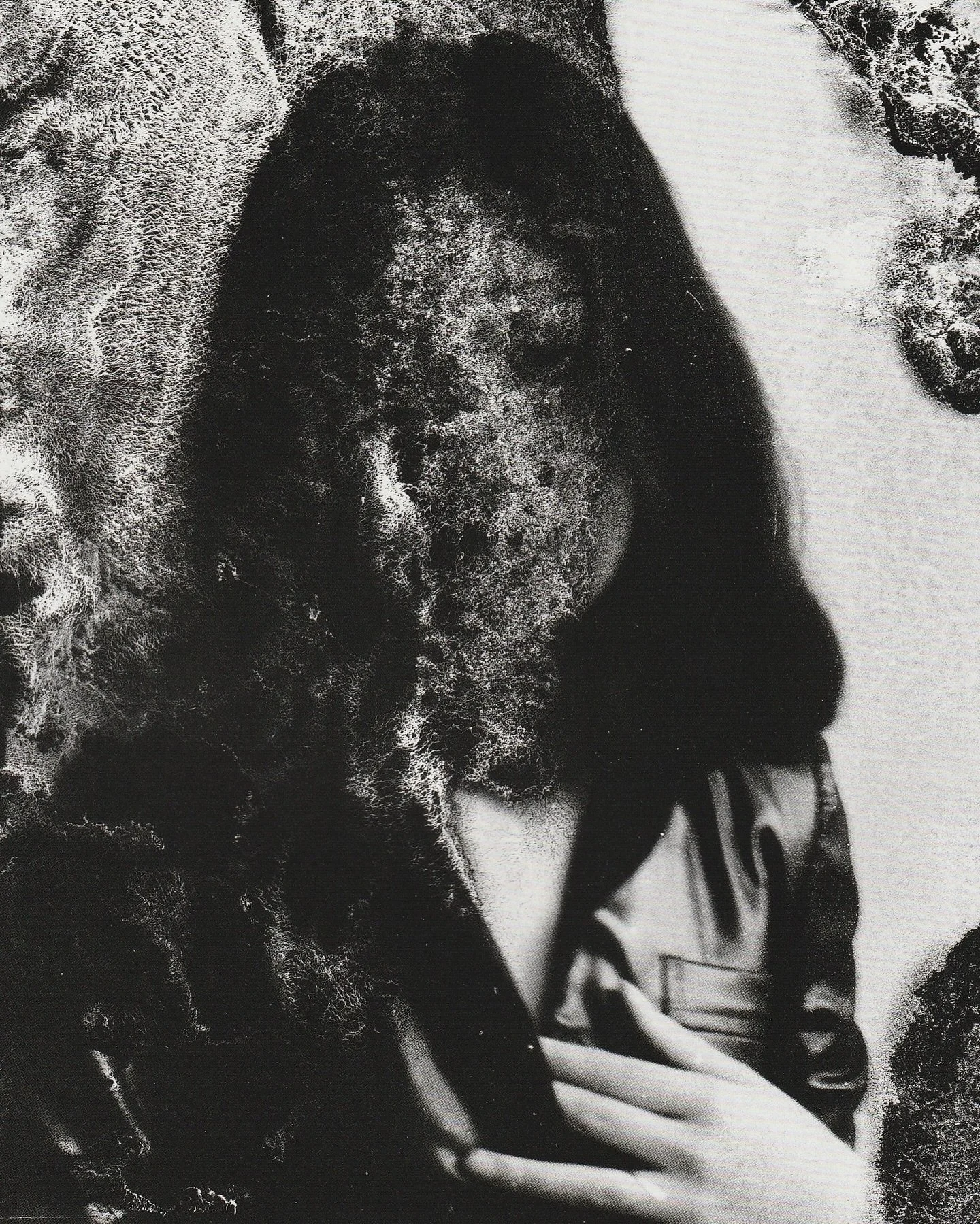
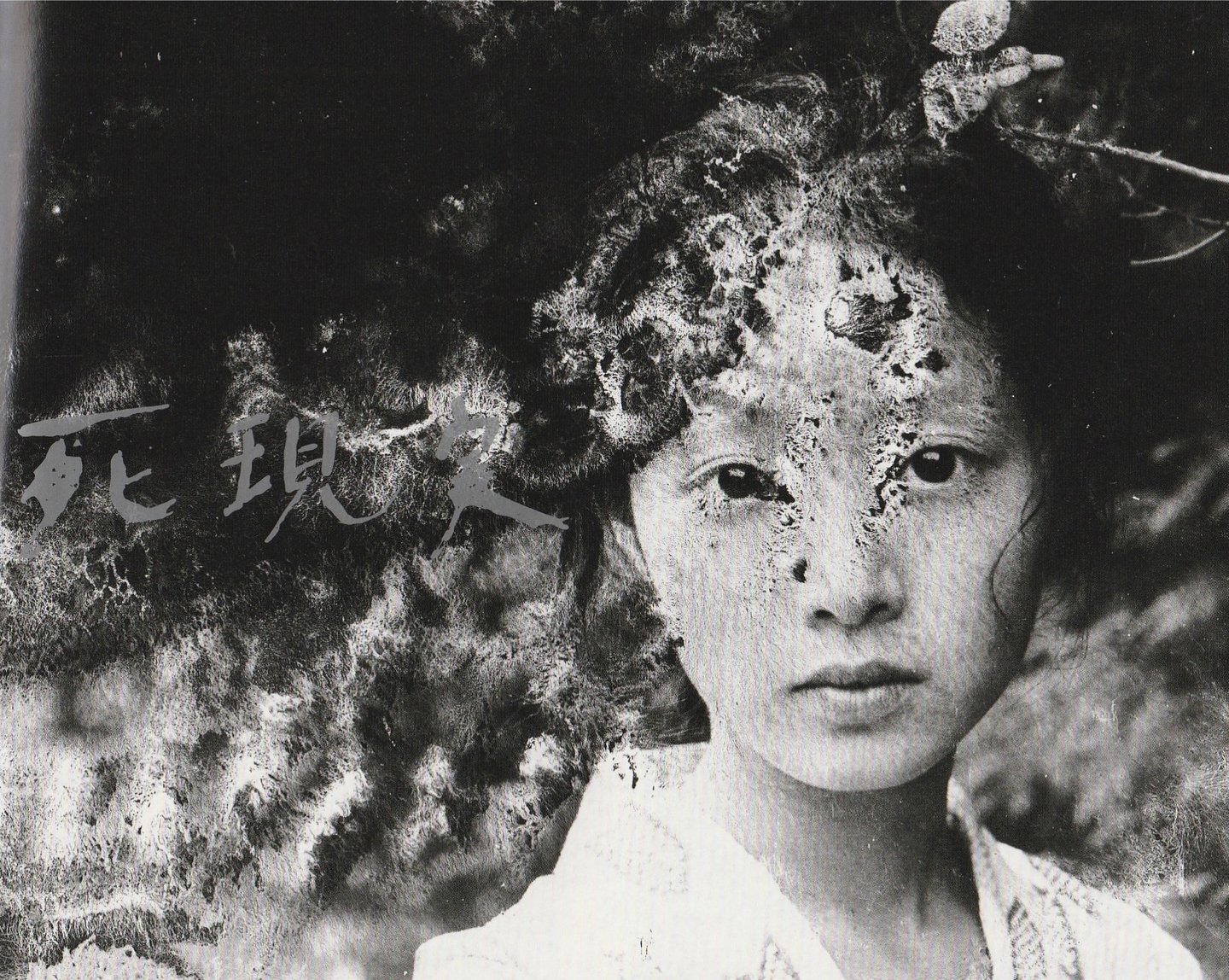
Nobuyoshi Araki, Death Reality (1997)
Phantasy: Many media enterprises are still grappling with their identity, competing for attention with social media platforms and existing somewhere between traditional print and short-form content. Why is it still important for you to champion printed media?
Heesu: I don’t believe print deserves support simply for the sake of preserving it. If digital media were ever able to fully replace books while offering a richer and more meaningful experience, I’d gladly embrace that change myself.
The reality, however, is that many of the older publications in our collection still can’t be found online. Even when a few images have been digitized, they’re usually only isolated fragments, stripped of the broader context that gives them meaning.
At least for now, I don’t think digital media can fully replicate the depth of information or the experience that books provide.
So, to me, the question isn’t whether paper is inherently better than digital. What matters is which medium offers the richer experience. And at this moment, print still possesses qualities that remain uniquely its own.
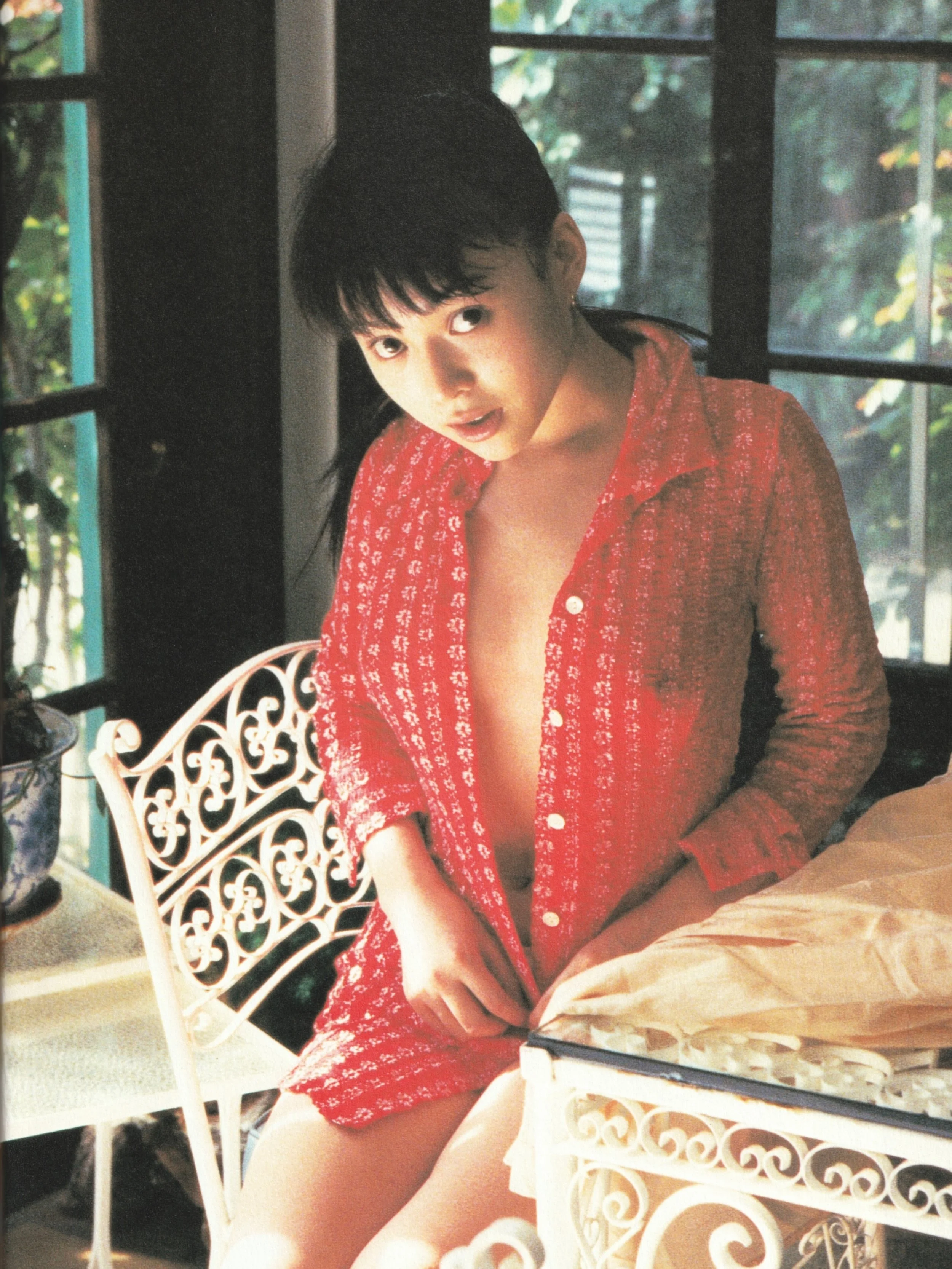
Kishin Shinoyama, Gekisha in Hawaii (1998)
Phantasy: Korea has an interesting historical relationship with censorship, conservative values and obscenity. Yet with the international success of extreme cinema from directors such as Park Chan-wook and Kim Jee-woon, do you feel attitudes towards provocative imagery are changing?
Heesu: I think the kind of work you’re referring to is more representative of Korea in the late 1990s and early 2000s.
Today, I actually feel that Korean society has become more conservative in many respects, particularly as gender conflict and political polarization have intensified.
While there is certainly greater freedom of expression in some areas, public debate surrounding certain images and subjects has also become far more contentious. In some ways, scrutiny and censorship feel stronger than ever.
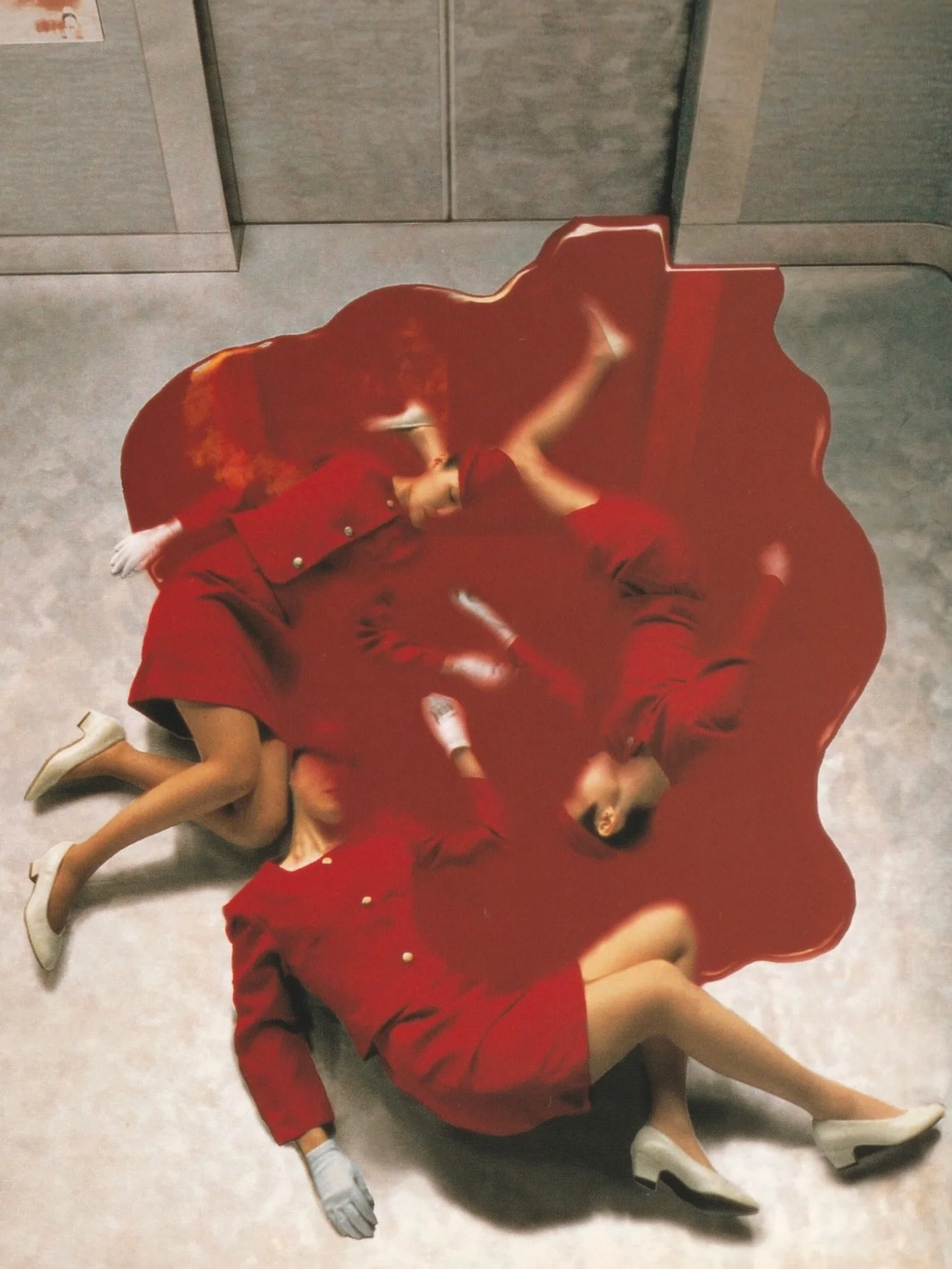
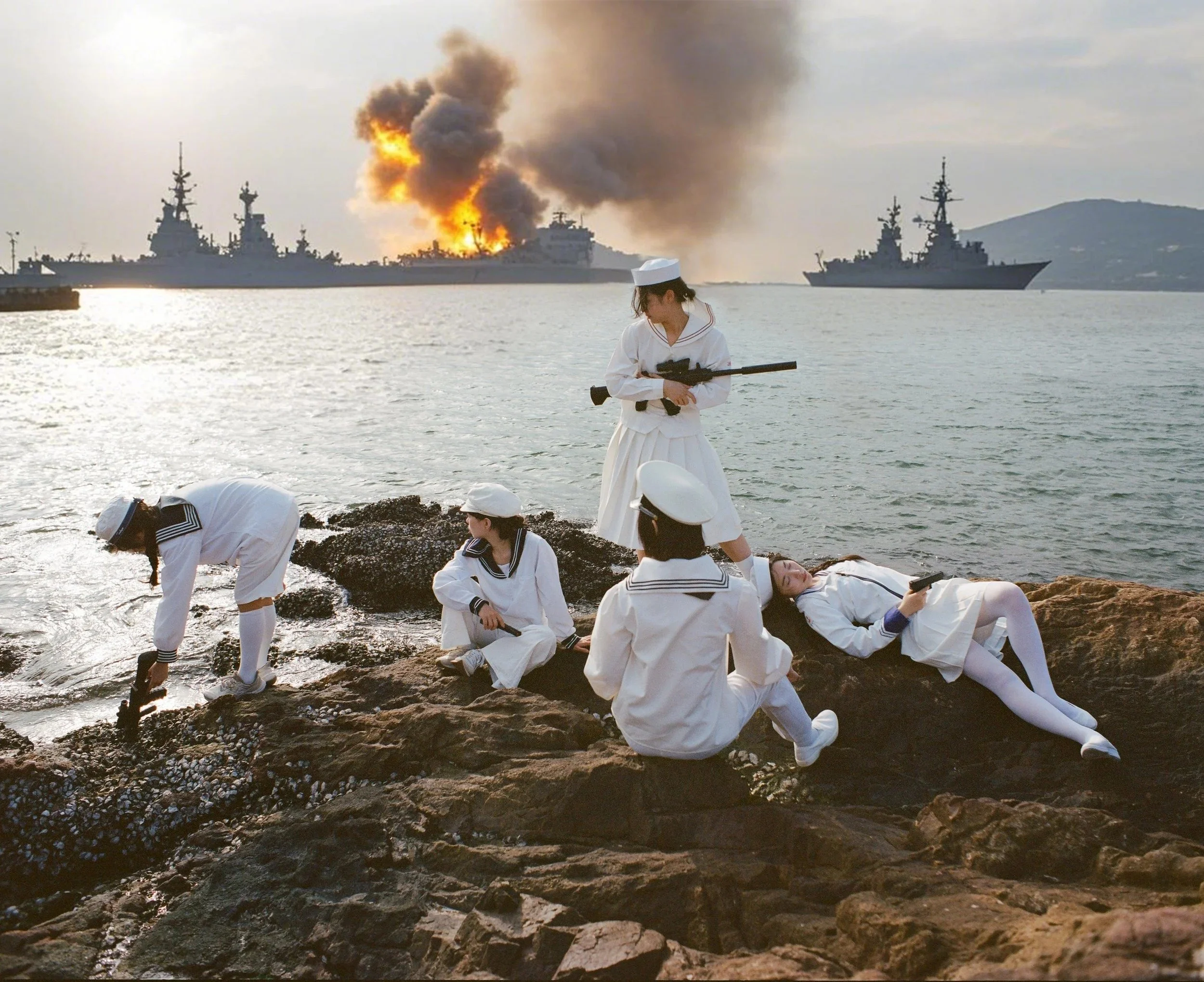
Miwa Yanagi, Elevator Girls (2007)
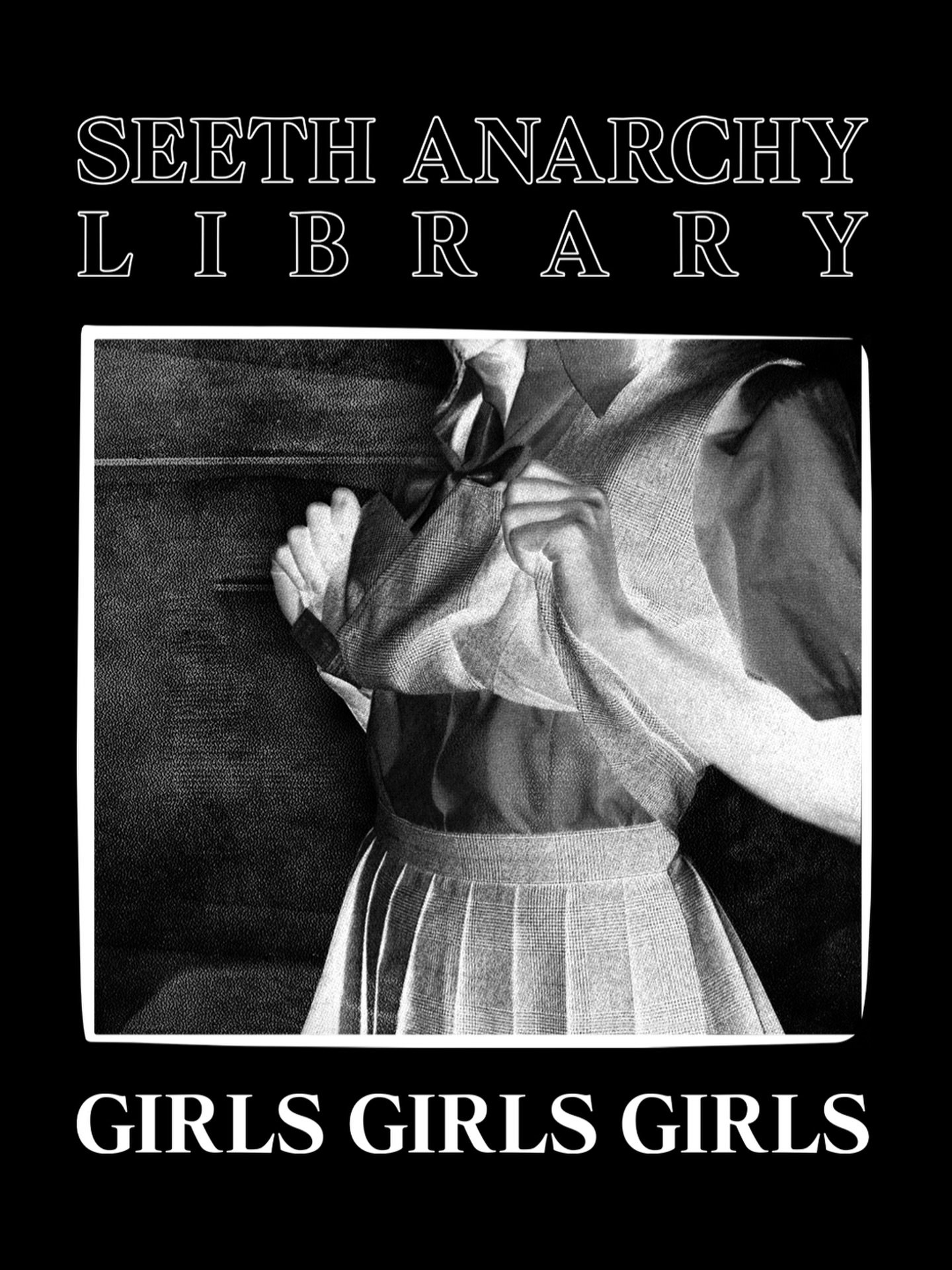
Phantasy: Last month you presented your first book curation project, "GIRLS GIRLS GIRLS". Could you tell us a little more about the project and why you felt drawn to that particular theme?
Heesu: The idea began with a question we heard over and over from visitors: “Why are there so many books featuring women?”
It made us reflect on our own collection, and eventually I realised the answer had less to do with any deliberate intention than with my personal tastes, which had been forming since childhood.
Growing up, I loved anime like X and Magic Knight Rayearth. There was something captivating about schoolgirls wielding swords and fighting with strength and conviction. Even in video games, I almost always chose female characters. Looking back, I don’t think I was simply drawn to women as subjects. What fascinated me was the coexistence of strength and beauty within those figures.
‘GIRLS GIRLS GIRLS’ grew out of that realisation.
Rather than presenting women as objects or symbols, we wanted to explore the many ways female figures have been represented across different eras, cultures, and visual languages.
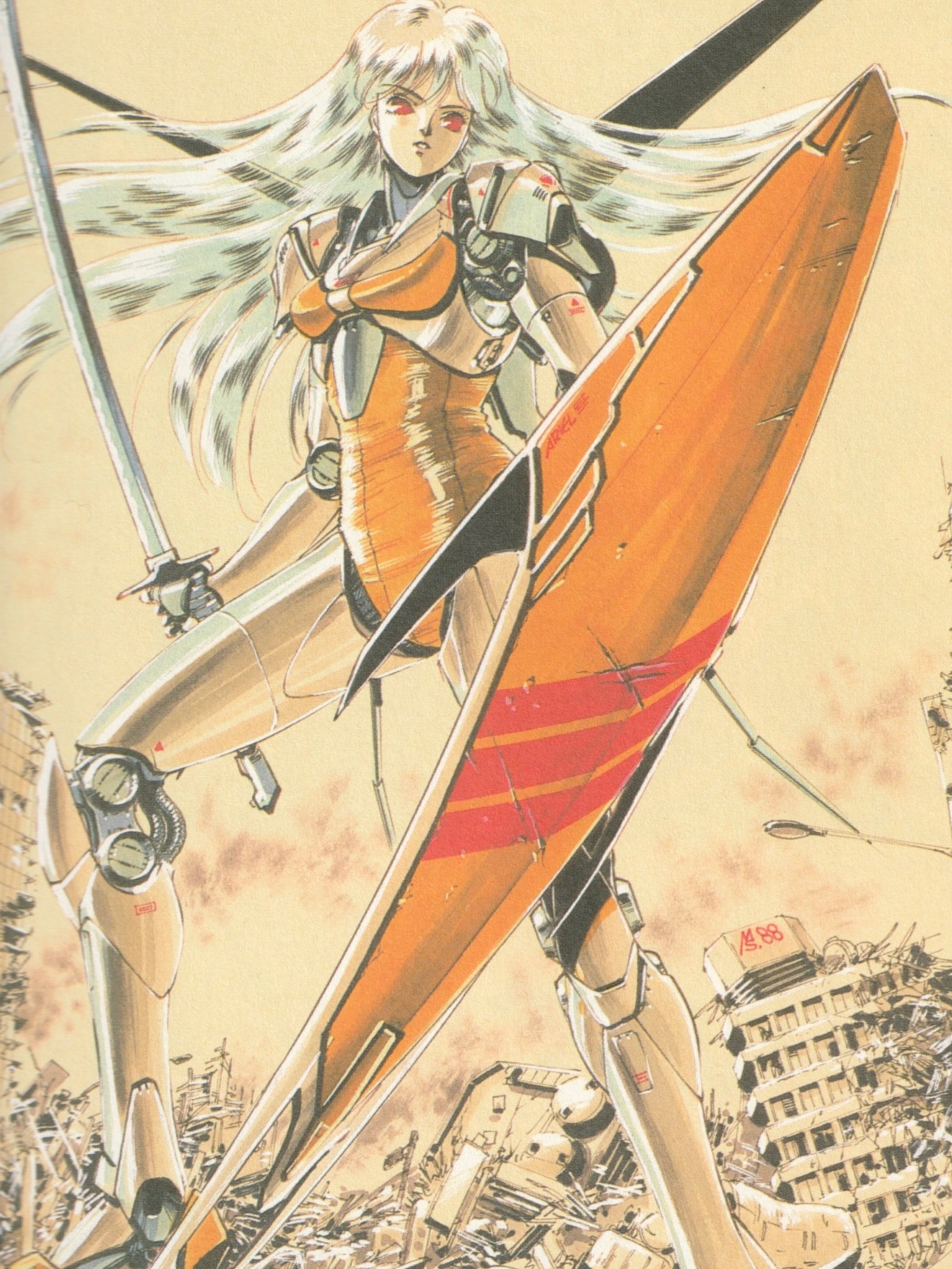
Masahisa Suzuki, ARIEL Illustrations (1989)
Phantasy: More broadly, how do you view the current cultural landscape in Korea? Is there anything that feels particularly exciting or unique right now?
Heesu: Korea is enjoying remarkable global recognition through K-pop and its broader cultural exports. As a result, more international artists and celebrities are visiting Korea than ever before to collaborate with Korean brands and companies.
For a long time, Japan was arguably the only country in Asia with that level of cultural influence. Seeing Korea occupy a similar place is genuinely remarkable.
At the same time, I sometimes feel that Korean culture is becoming less diverse and original. As creators increasingly aim for the global market, many projects are starting to look increasingly alike. Experimental projects and distinctive subcultures seem less prominent than they once were.
Korean culture’s international success is undoubtedly something to celebrate. But moving forward, I think maintaining diversity and individuality will be just as important as expanding Korea’s global reach.
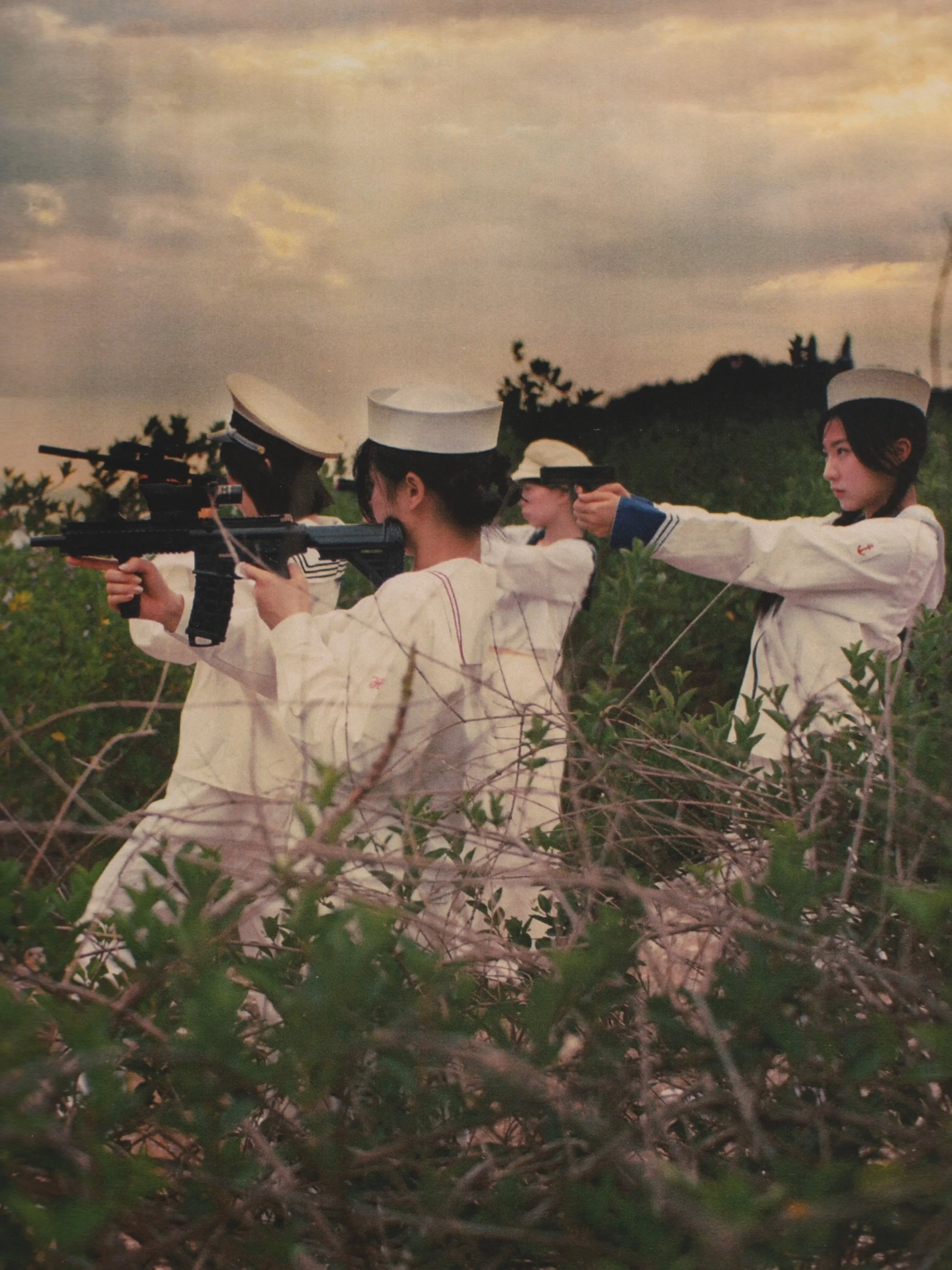
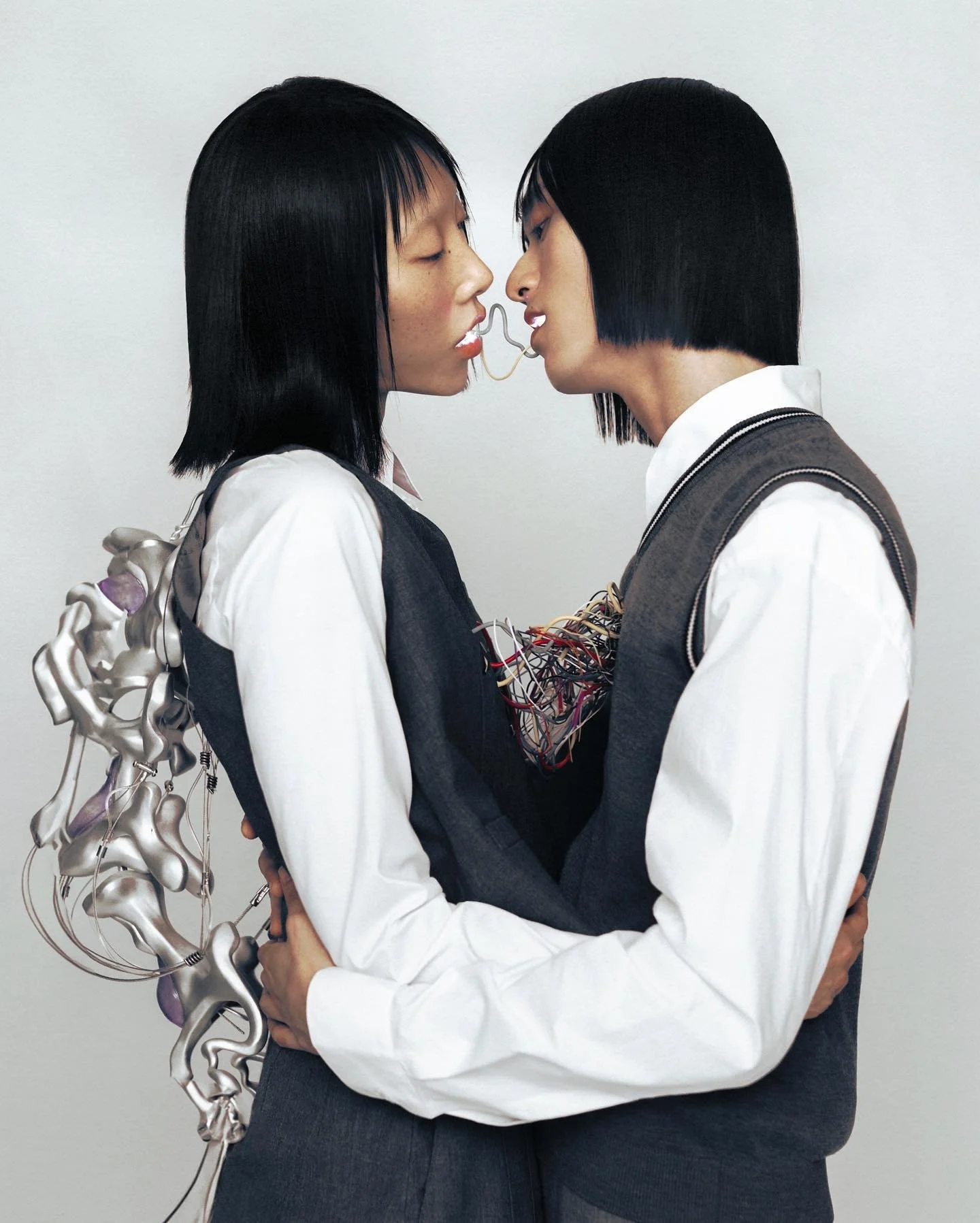
Lean Lui, The White Barrack (2026)
Phantasy: If you had to sum up the philosophy of SEETH ANARCHY LIBRARY in a single book from your collection, which would it be and why?
Heesu: I would choose 0081 by Lotta Volkova and Moni Haworth.
To me, it’s the book that most clearly reflects the world SEETH ANARCHY LIBRARY aspires to create.
We’re drawn neither to luxury nor to cult aesthetics in isolation. What excites us is the point where seemingly opposing sensibilities intersect, allowing an entirely new visual language to emerge.
0081 embodies that balance. It brings together refinement and subversion, fashion, imagery, attitude, and culture into a single, cohesive vision. More than any other book in our collection, it expresses what we hope people will discover through SEETH ANARCHY LIBRARY.
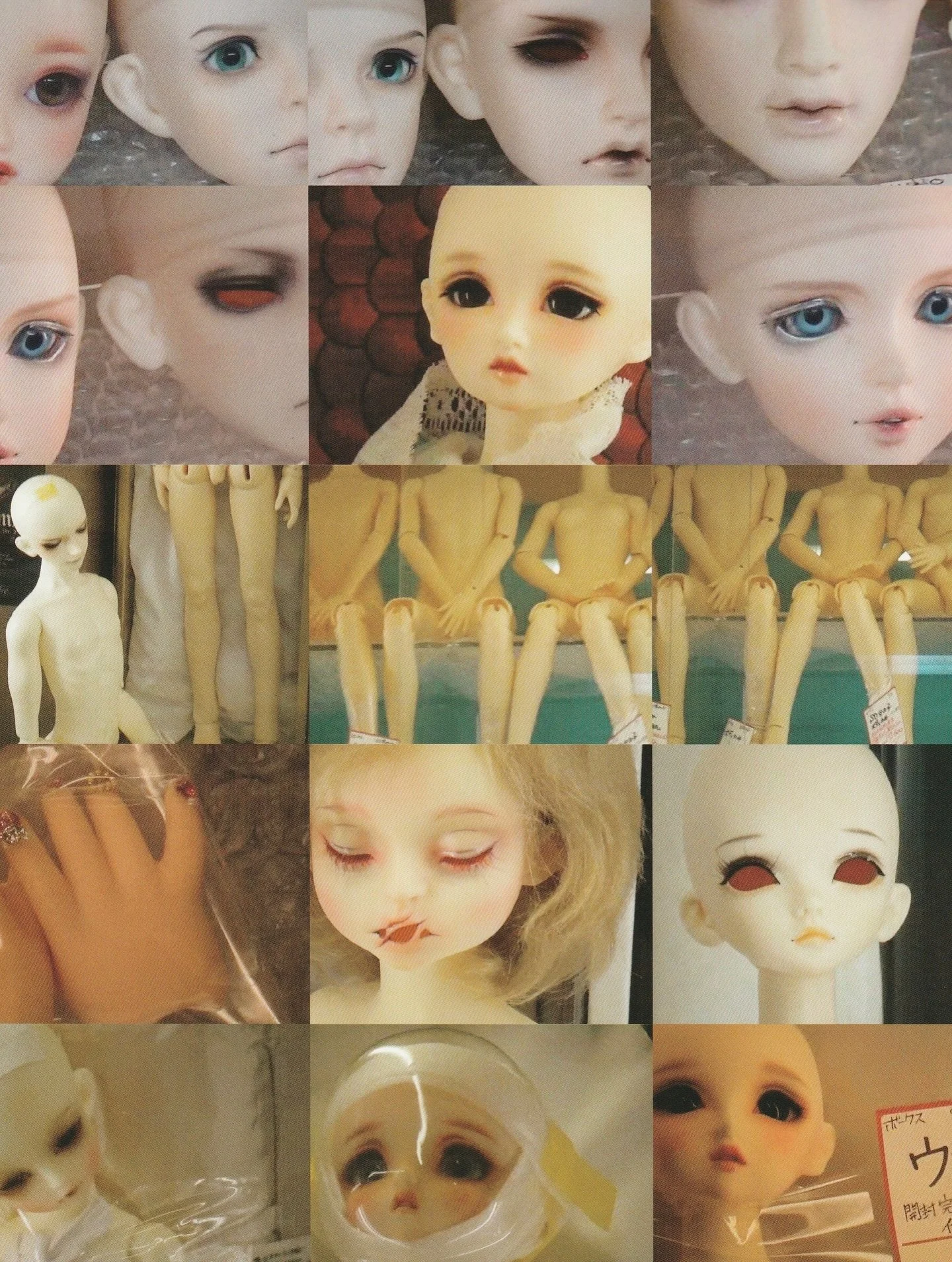
Lotta Volkova, Moni Haworth, 0081 (2024)
Phantasy: You talked about punk in your past interviews. In your opinion, who is the most punk cultural icon from Korea? Or what do you think is a punk aspect of Korean culture that people might have overlooked?
Heesu: It may come as a surprise, but I’d choose Nam June Paik.
To me, punk has never really been about leather jackets or mohawks. It’s an attitude, one that questions convention and challenges established ways of thinking.
From that perspective, I’d say Nam June Paik was one of the most punk figures Korea has ever produced.
Phantasy: What is the most exciting book you've come across in the past year or two? Specifically, a book published recently by an emerging artist.
Heesu: The most memorable book I’ve come across recently is Mada Nokosu Kajitsu Summer 2025 by the Japanese artist and photographer Lisa Nishikawa. Among the recent publications by emerging artists that I’ve encountered, it’s the one that stands out the most.
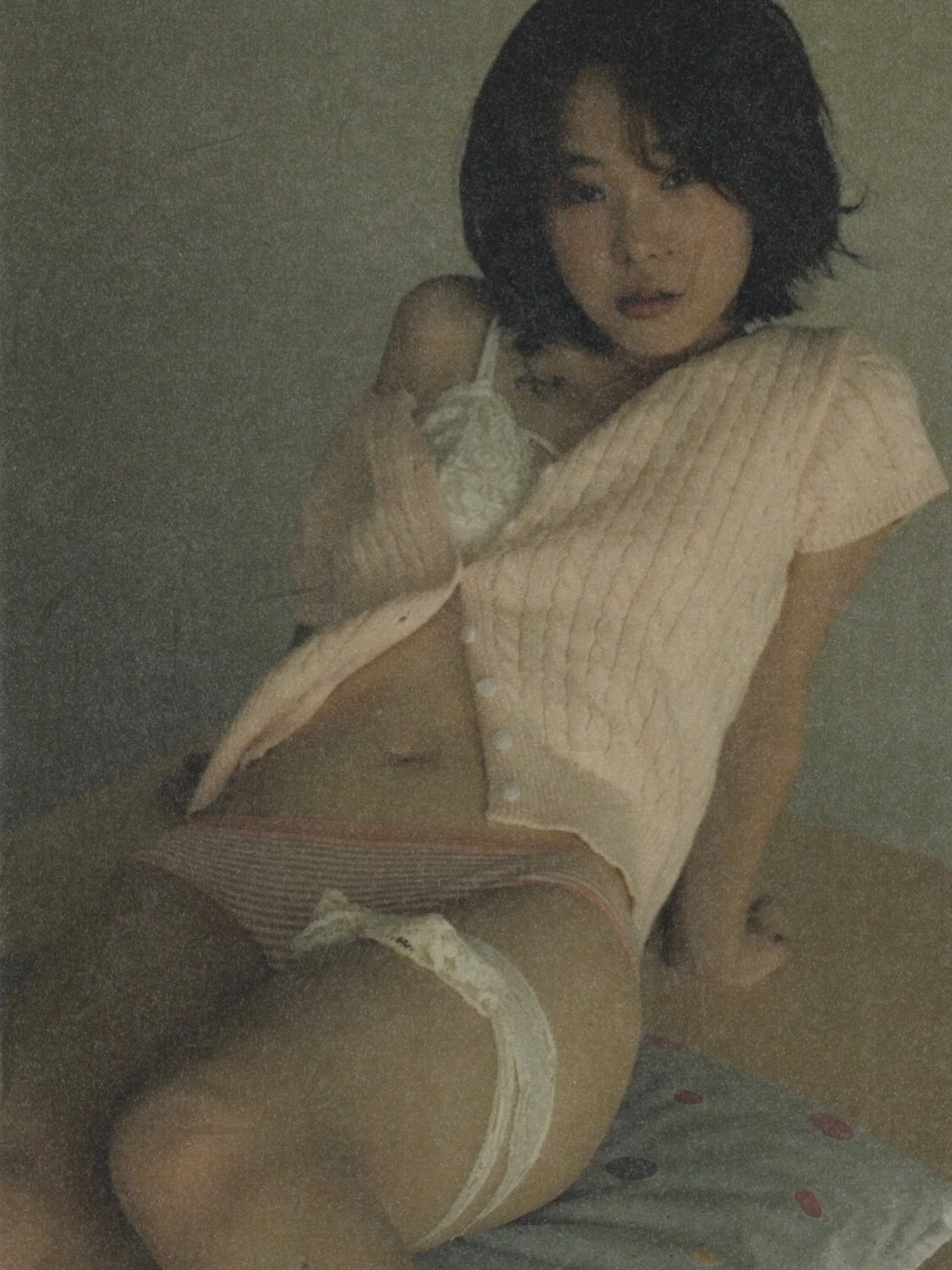
Phantasy: Are there any visual artists, photographers, or creatives in Korea whose work particularly excites you right now?
Heesu: I’ve been especially interested in Chanhee Hong, who is both the art director of Balming Tiger and a photographer. I’ve long admired the photographer Shura. More recently, I discovered Myunghee Lee’s work after she visited our library.
Phantasy: For readers visiting Seoul, are there any galleries, bookstores, or cultural spaces you would recommend?
Heesu: For galleries, I’d recommend XLARGE Gallery and Space Ant. For bookstores, I’d suggest Pisache, Separate Spaces, and TLW. If you’re a coffee lover, Ruli Coffee is definitely worth a visit.
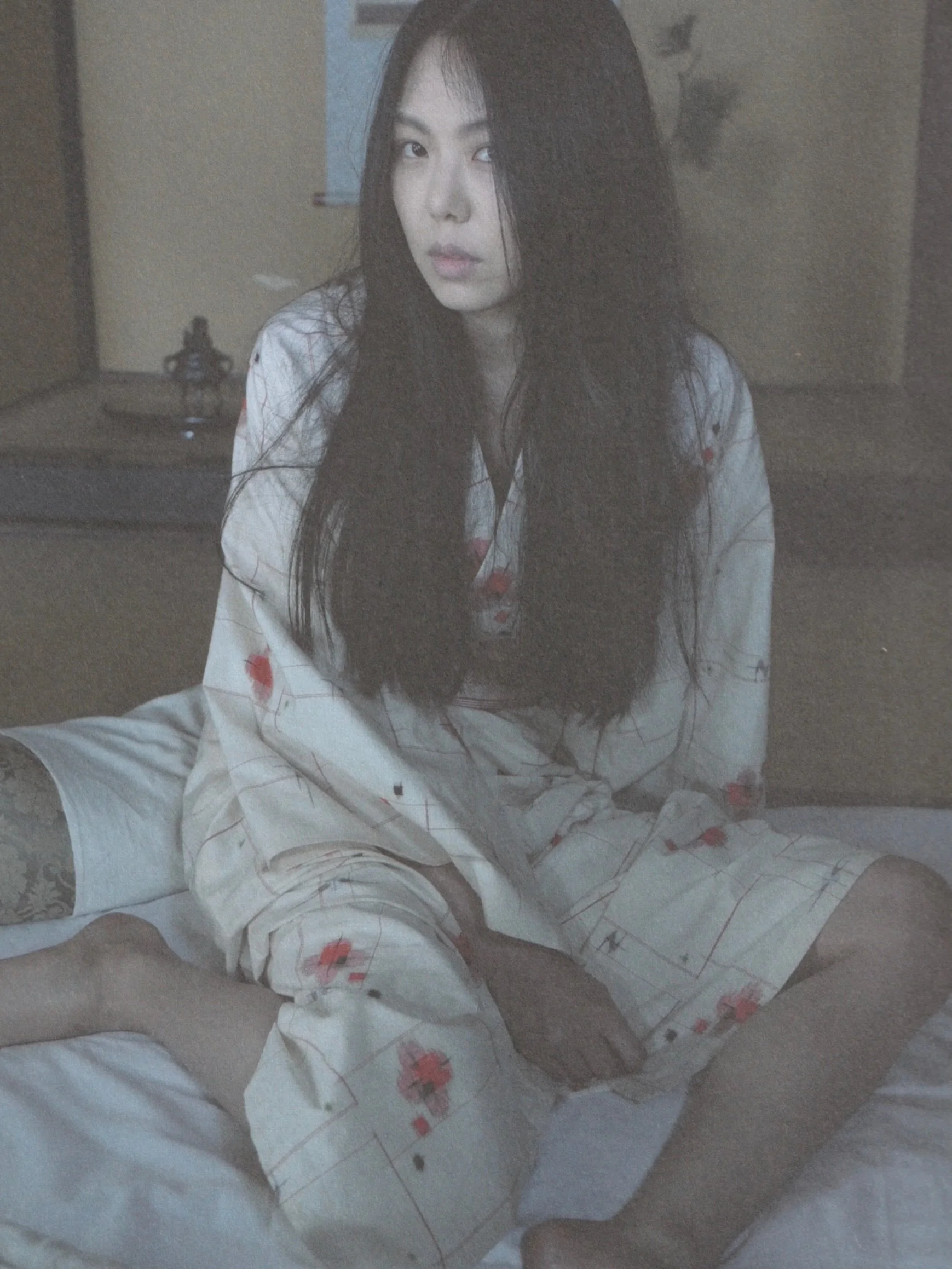
Park Chan-wook, The Handmaiden Photo Book (2016)
Phantasy: Why have you chosen to keep SEETH ANARCHY LIBRARY as a library? Have you ever considered turning it into a bookstore as more people discover the collection?
Heesu: In Korea, sourcing rare and out-of-print books can be quite challenging, and the market for selling them is relatively limited. But beyond that, we felt that sharing these books was more meaningful than simply selling them. By making them accessible, we hope more people can experience and appreciate the culture surrounding rare and out-of-print publications.
Phantasy: Any final thoughts or future plans that you would like to share?
Heesu: Our hope is for SEETH ANARCHY LIBRARY to become a space that connects cultures—bringing the work of international artists to Korea while creating opportunities for Korean artists to be discovered by audiences around the world.