Lean Lui: “I Have Always Held a Self-Constructed Utopia in My Heart”
White Barracks
Interview by James Elliott
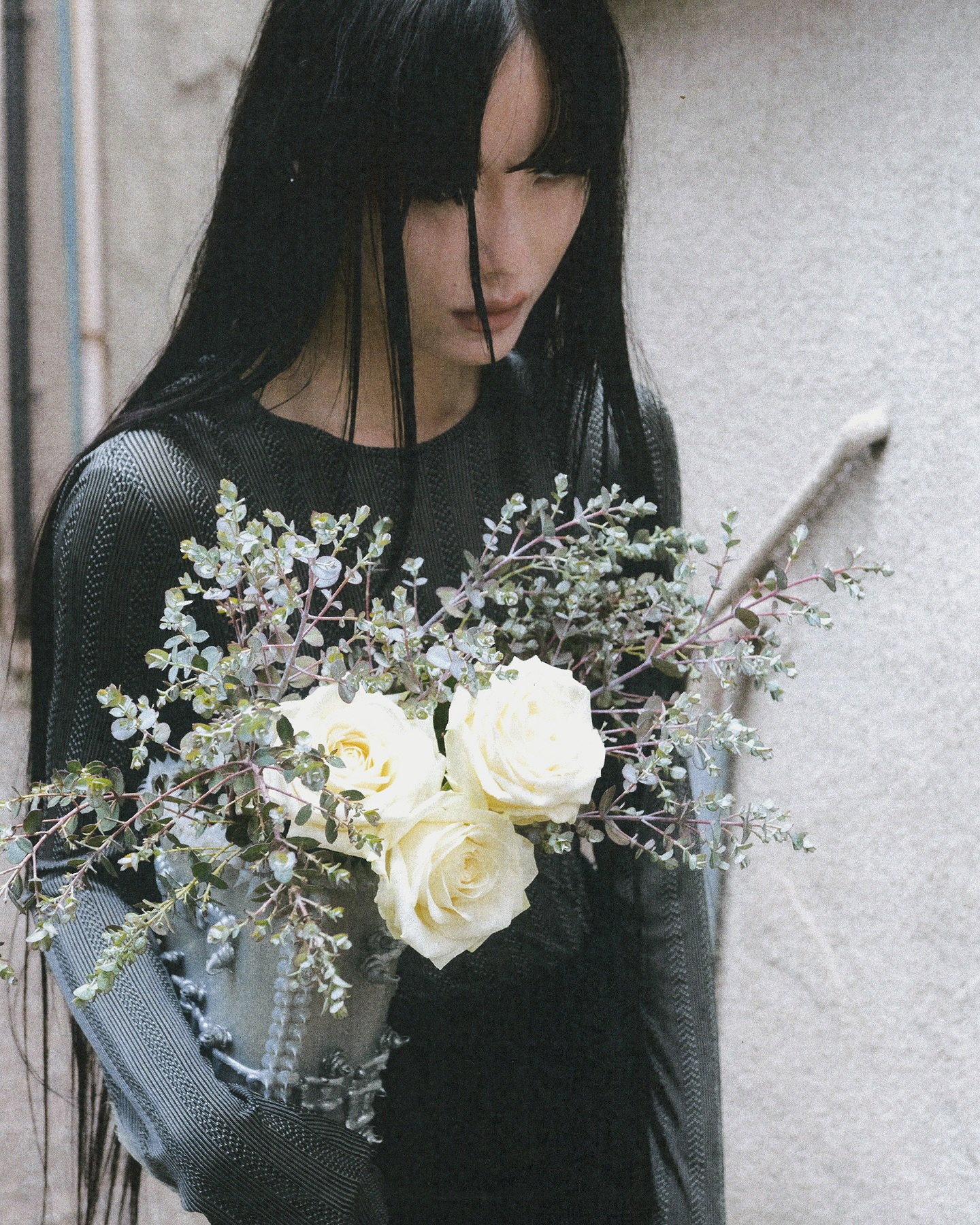
Lean Lui has always cultivated a world within herself that doesn’t quite exist in reality. Across photographs framing girlhood, loneliness, purity, desire and power she has constructed fragments of an idealised reality in which the distance between the world as it is and what it could be are briefly suspended. “I have always held a self-constructed utopia in my heart,” the artist explains. “Even if this ideal world is so tiny in reality that it only touches a handful of people, as long as it can serve as a sanctuary in the dark for some, my creation has meaning.”
This instinct towards world-building is rooted in an upbringing shaped by Daoist philosophy. Introduced from childhood to the Zhuangzi, Tao Te Ching and I Ching by her father, Lui learned to look past the surface into the very essence of things and understand seemingly disparate practices as just differing paths to the same shared whole. Her camera functions not only as a means of recording reality but a means of exploration, reaching a “truth” that exists beneath, “that sense of breathing and fluidity behind the visual facade.”
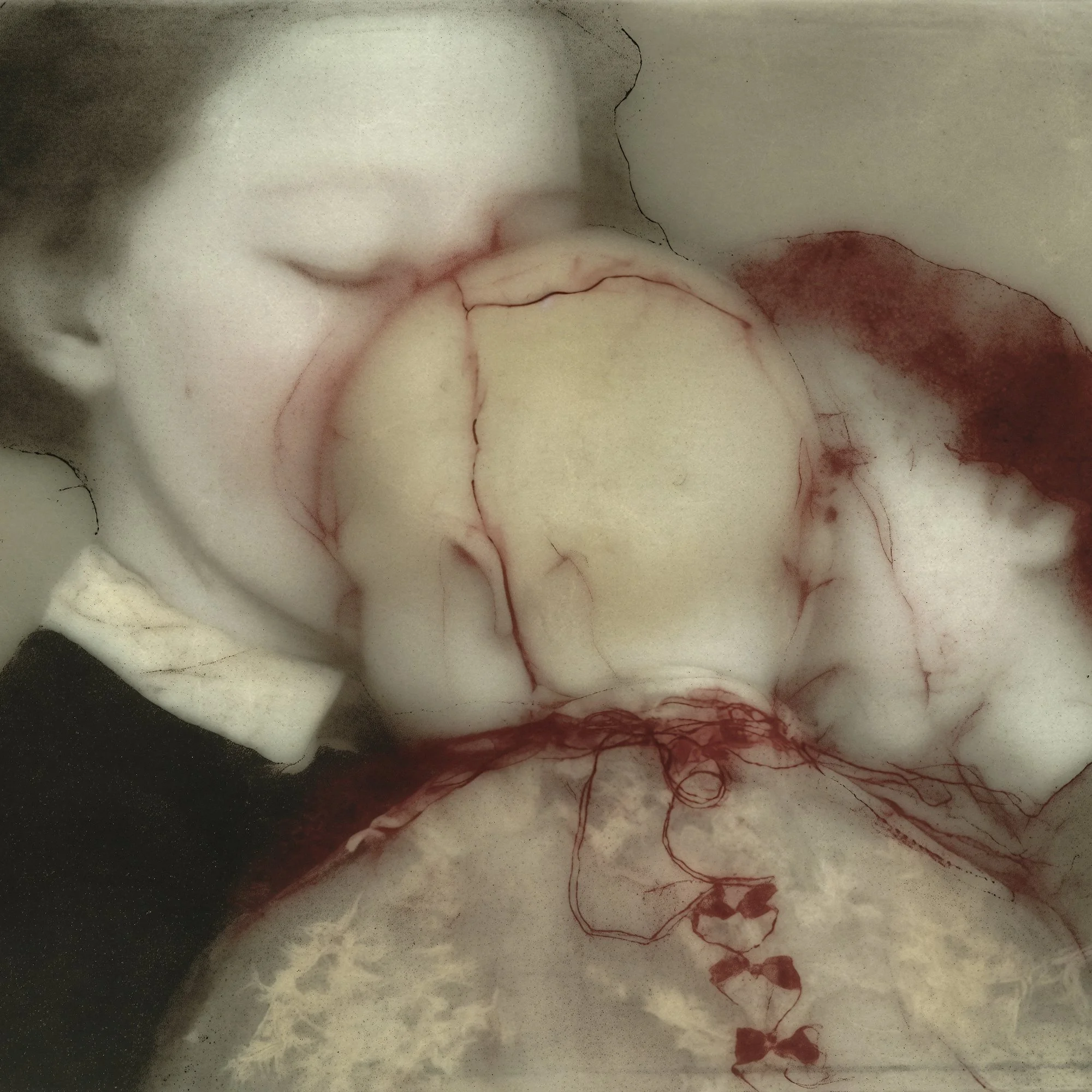
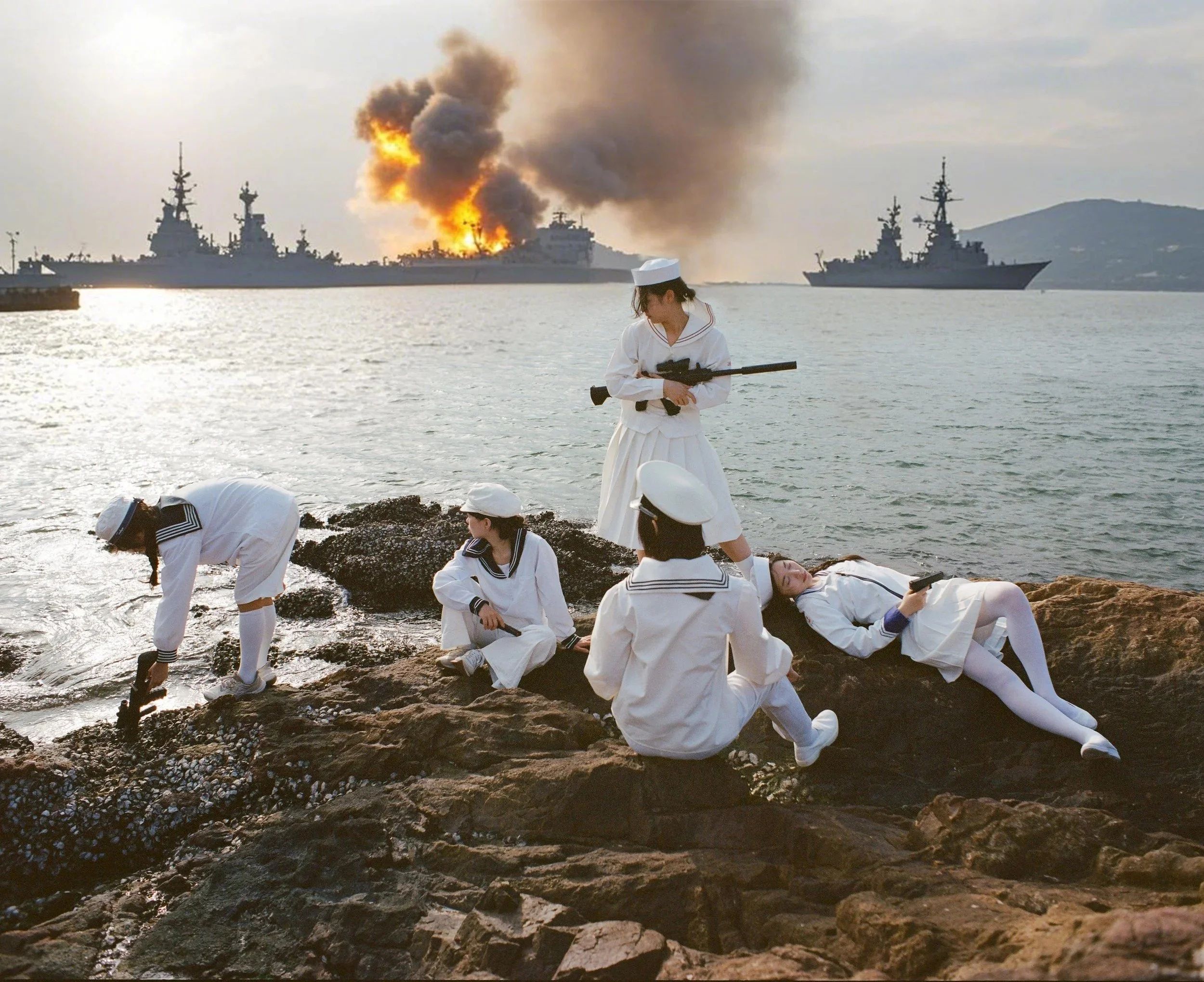
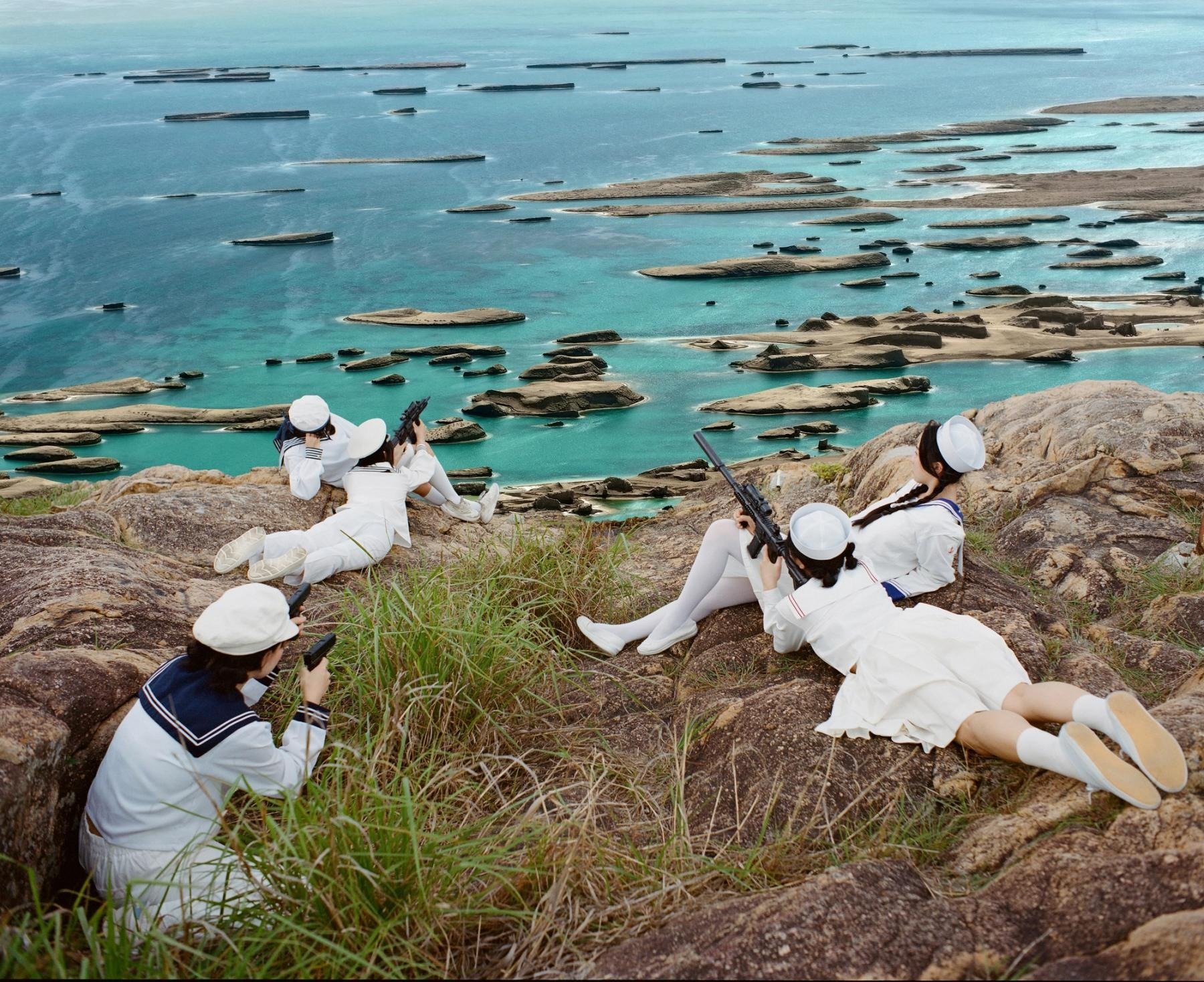
There is a tension at the centre of Lui’s work between the purity of this imagined world and the disorder of the one surrounding it. In her earlier photographs, the enclosed spaces of girlhood became sites for examining loneliness, trauma and obsession. More recently, works such as White Barracks have expanded this intimate gaze outwards, towards capitalism, power and the structures that shape the lives and bodies of young women. The fragile and the formidable become strangely intertwined: “Guarding the purest heart with the most ruthless weapons,” she explains.
For Phantasy, Lean Lui discusses her creative evolution over the years, how books have continually shaped her practice, the future of AI and the quiet utopia she continues to build, one photographic piece at a time.
Phantasy: I wanted to start our conversation simply: what are you reading these days?
Lean Lui: Recently, I’ve been reading the Market Wizards series. The psychological state of traders operating under extreme uncertainty, their analysis of human desire and fear, and their pursuit of the underlying laws of the market are essentially identical to artistic creation. We are both trying to capture an invisible order within a chaotic world. Hilariously, many people get into art for the money, while many trade simply for the sheer thrill of trading. It makes me wonder: are there perhaps more honest traders than honest creators? Of course, I deeply respect true artists. If we compare the greatest artist to the greatest speculator, I still admire the former much more because making the cake is inherently harder than dividing it. (But again, not every cake is a good cake.)
Phantasy: I’ve read that your father was a teacher of Daoism. Could you tell me a little about that upbringing? And how important have reading and learning from different perspectives been to you throughout your life?
Lean: My father introduced us to reading the Zhuangzi, Tao Te Ching, and I Ching from a very young age. Growing up with these classic texts allowed me to naturally build a foundational framework for understanding the world. The deepest influence Daoism had on me was learning to "see through to the essence of things" and internalizing the philosophy that "all things unify as one." Interdisciplinary reading and learning are vital to me because once you grasp that everything shares a common origin, you cease to be bound by the constraints of a single discipline or a specific aesthetic framework.
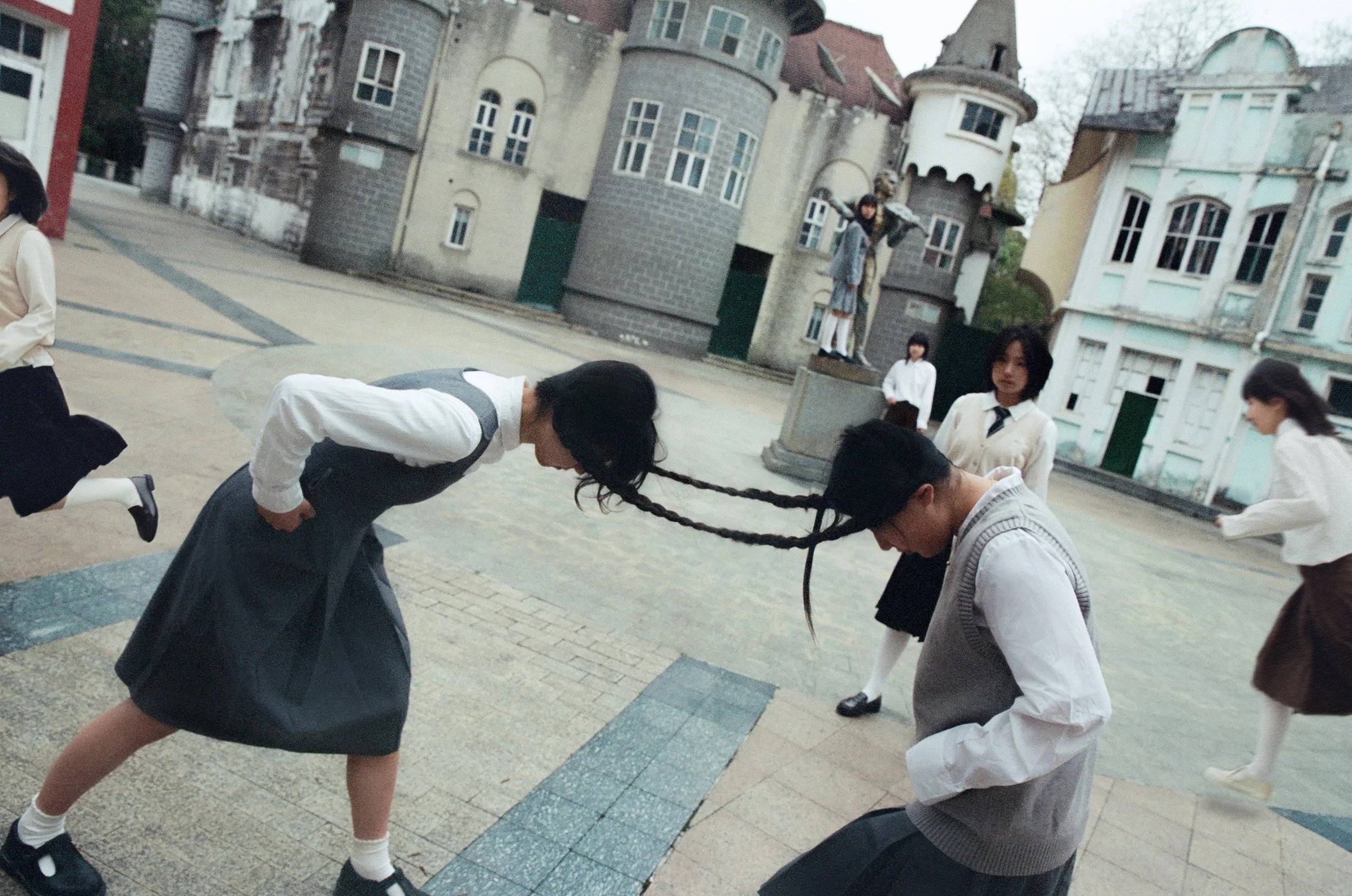
Girl’s Town, 2025
Phantasy: How does Daoism find its way into your creative process?
Lean: It grants me a sense of boundless freedom. My creative practice has always been interdisciplinary; I never limit myself to a purely photographic language. Daoism speaks of "great form having no shape, great sound being silent" (大象無形,大音希聲)—the most profound emotions and forces are often voiceless. My camera is merely a tool. What I truly want to capture is that "essence" which can be felt intuitively yet never precisely described in words: that sense of breathing and fluidity hidden behind the visual facade.
Phantasy: Is there a quote, a piece of writing or an idea that you feel encapsulates what you are trying to achieve with your work?
Lean: An imagery that constantly recurs in my mind is something akin to "seeking purity amidst chaos."

White Noise: The Reincarnation of the Pure
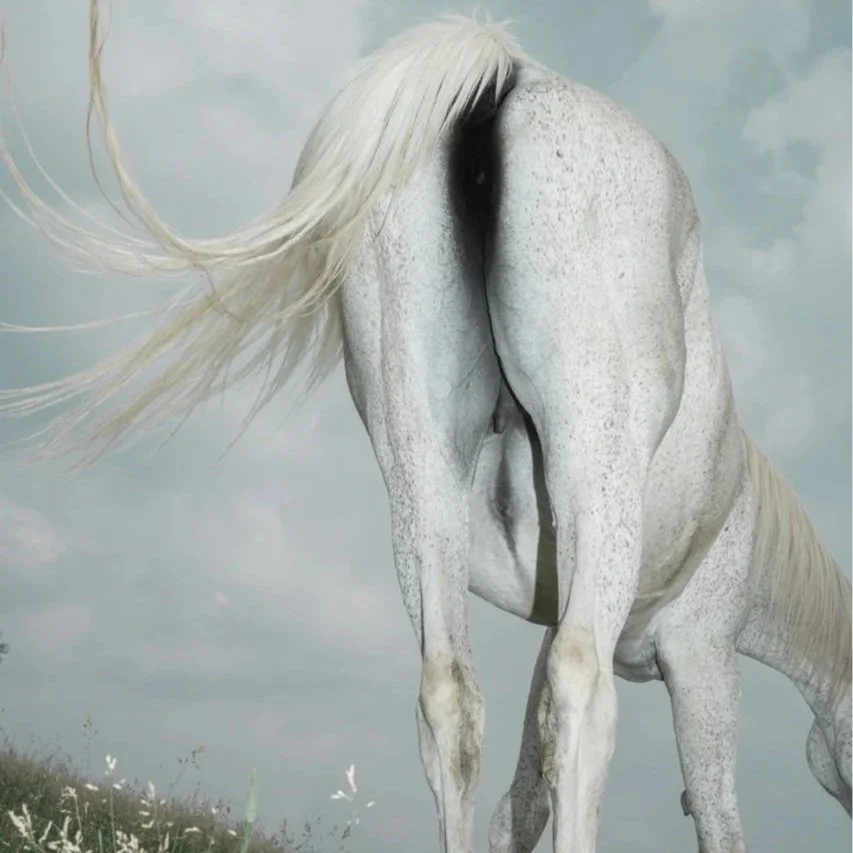
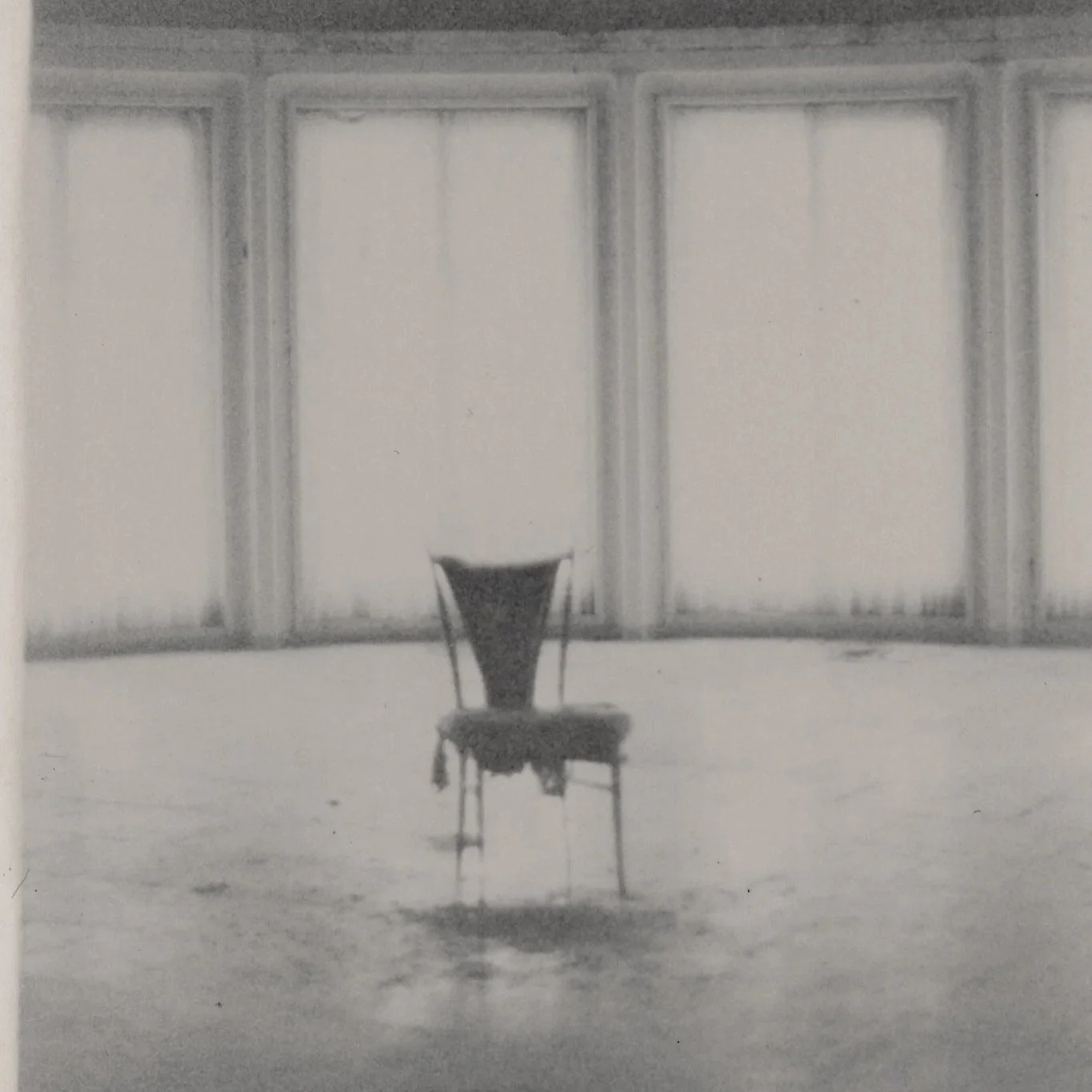
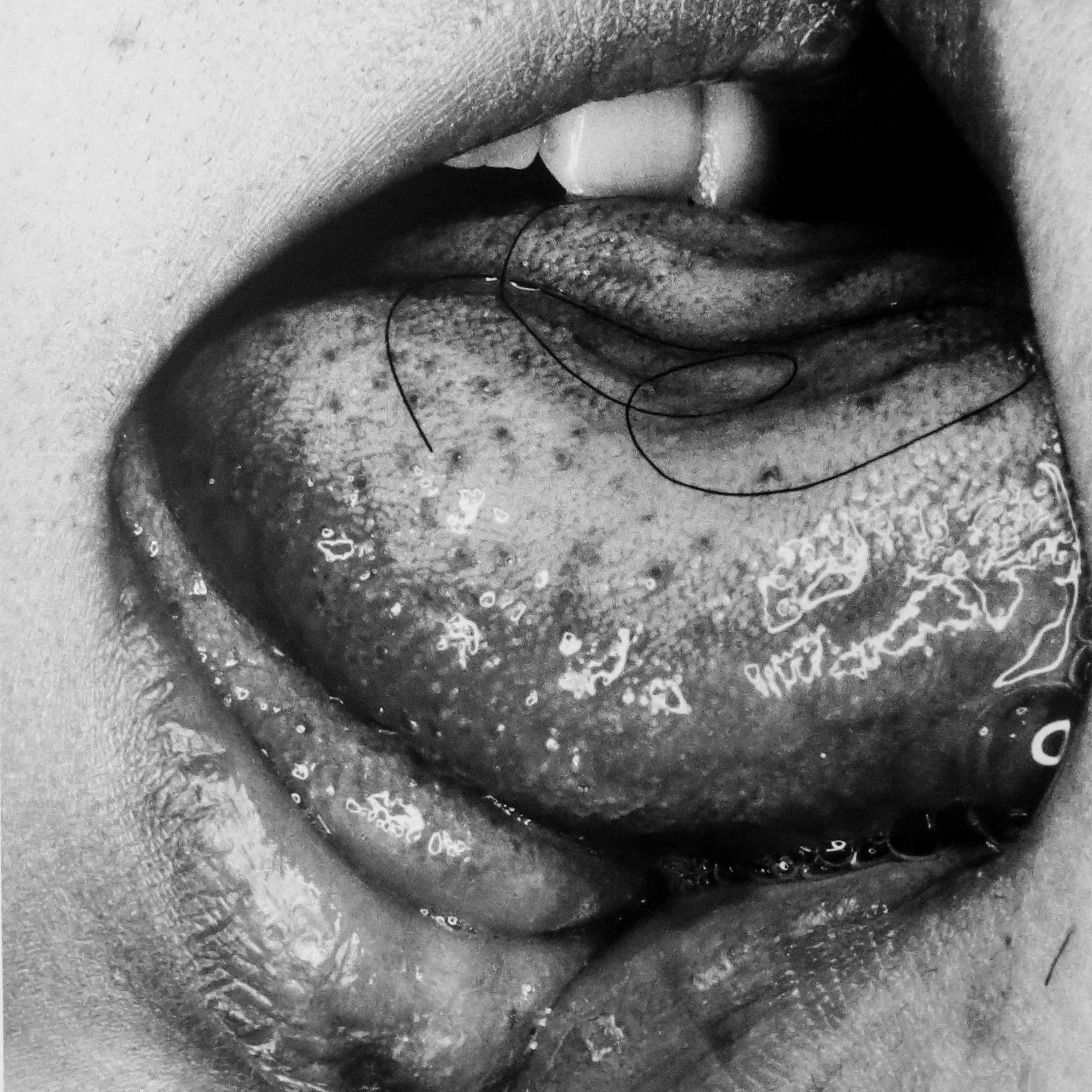
Phantasy: Looking at works such as Ascetic Field, which explores ideas of desire and purity, alongside Girls Town and White Noise, where the colour white becomes such a powerful recurring motif, there seems to be a persistent interest in fantasy, idealism and the pursuit of something seemingly unattainable. Do you still hold onto those ideals?
Lean: Yes, I haven't changed at all; in fact, I am even more resolute than before. But my understanding of these ideals has certainly matured. I am now far more at peace with the "distance" between the ideal and reality. When I was younger, I might have felt anger over the inability to touch perfection, but now I realize that very distance in pursuit of the sacred is itself a space charged with immense tension.
Phantasy: I suppose I have my own idealistic fantasy. I’ve always imagined a world in which good can triumph over evil, where fairness exists, and where the things we create can perhaps make that world feel a little more possible. Creating Phantasy has, in some ways, been an attempt to manifest that world, even if it only touches a handful of people. Is there a particular ideal or imagined world that you are trying to bring into existence through your work?
Lean: Thank you for sharing; that is a very beautiful vision. Looking back at my creative journey, the earliest phase was driven purely by intuition. Later on, there were experimental series born out of curiosity and exploration of the world. In recent years, however, my motivation has shifted—I am now thinking for the "next generation." Yes, I have always held a self-constructed utopia in my heart. Even if this ideal world is so tiny in reality that it only touches a handful of people, as long as it can serve as a sanctuary in the dark for some, my creation has meaning.
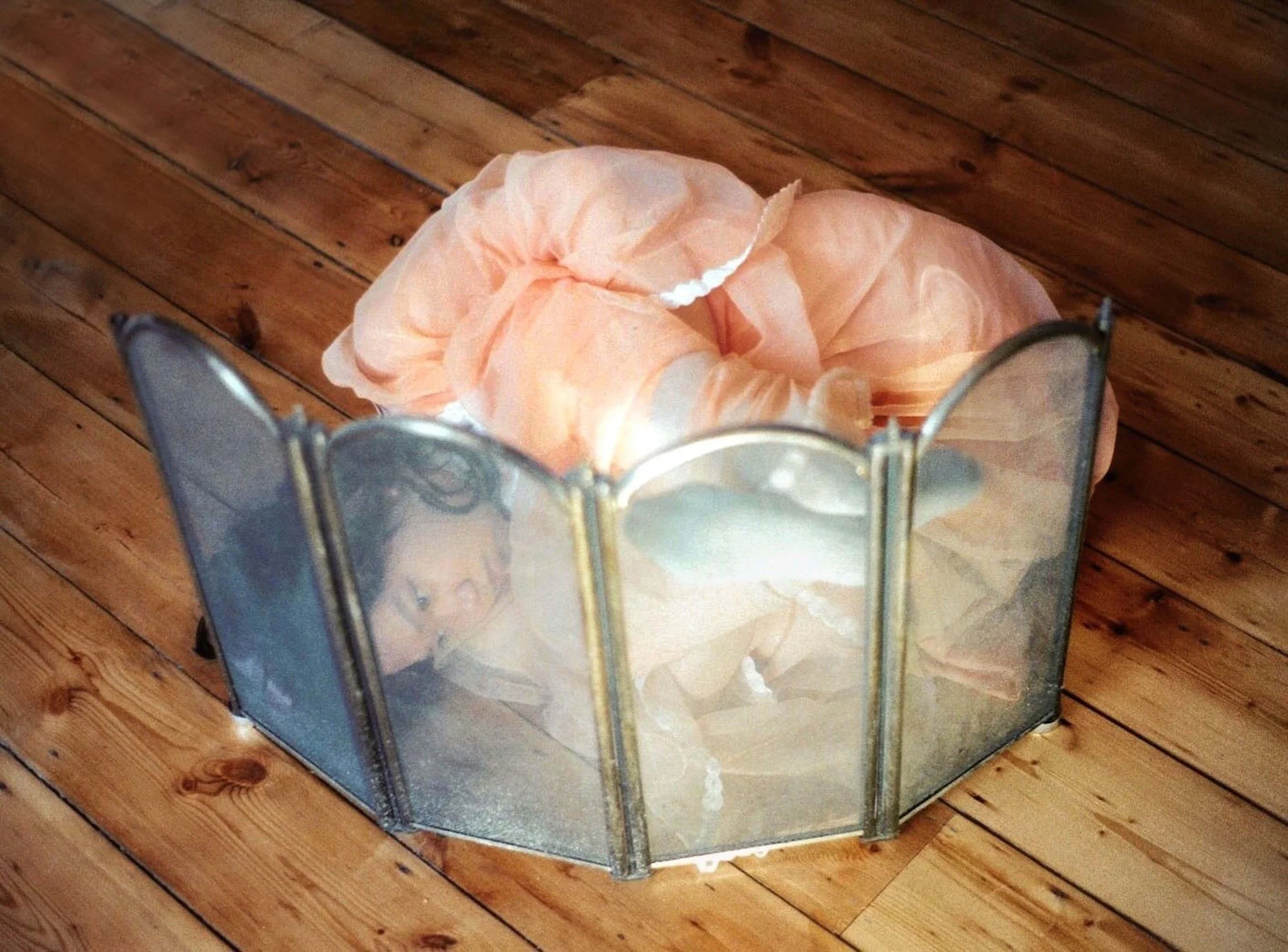
Aseptic Field
“To protect the most fragile, unpolluted female subject within the private room from capital and the gaze, we are compelled to borrow the language of power and the form of armor to erect high walls on the ideological battlefield.”
Phantasy: Occultist Aleister Crowley famously defined “magick” as “the science and art of causing change to occur in conformity with the Will.” There is something about that idea that seems relevant to the act of artistic creation: imagining something and then willing it into existence. Do you think of your own practice as a form of magick? Could artists, in some sense, be the magicians of the modern age?
Lean: Absolutely. I used to think of myself as a little fairy, but through increasing engagement and feedback from my audience, I’ve come to feel more like a Fairy Godmother. As a lyric goes: "Even if the world lacks fairytales, realize them through imagination." A creator is a modern-day magician—conceiving a world out of thin air, and then utilizing sheer willpower and execution to manifest it into reality.
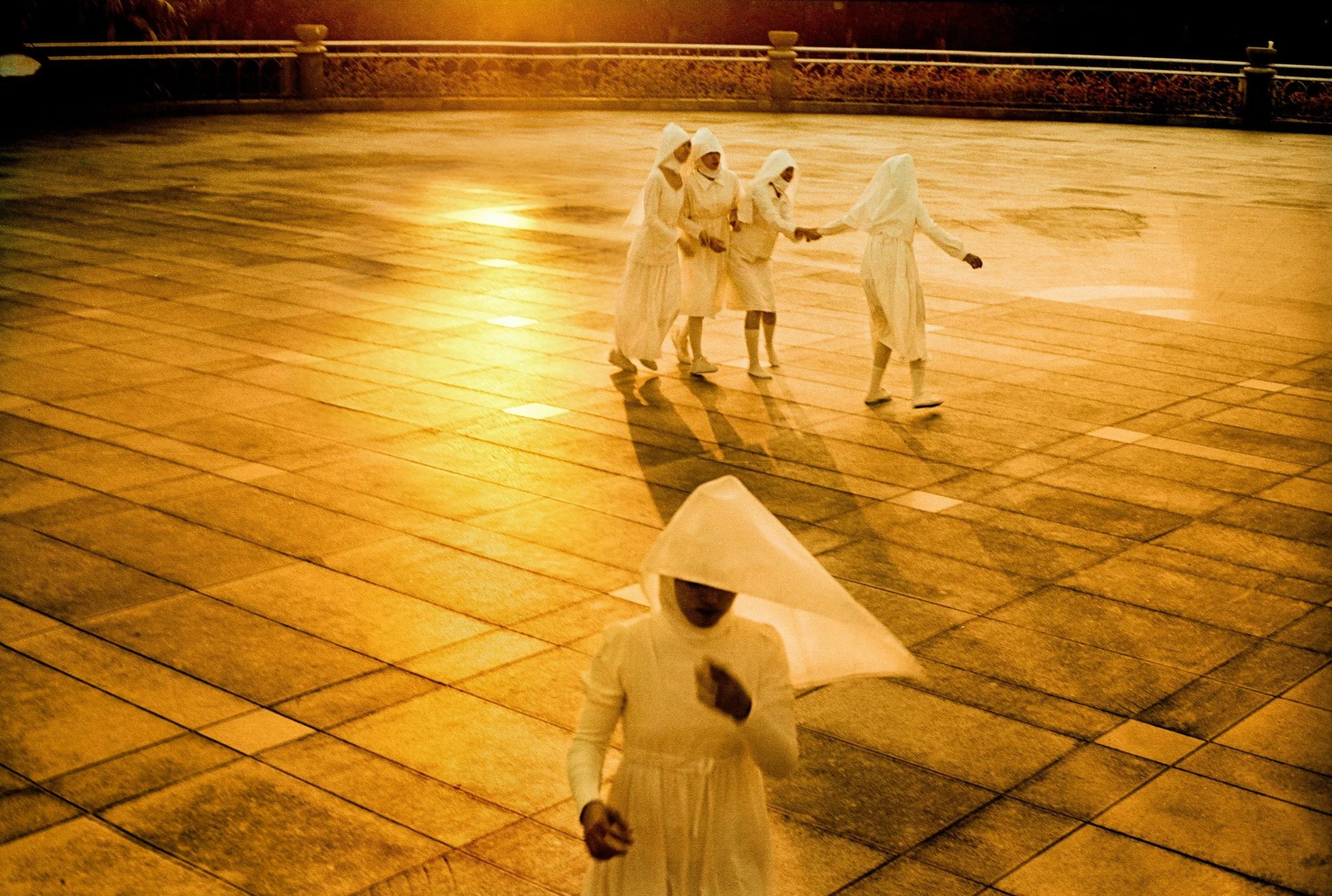
White Noise: The Reincarnation of the Pure
Phantasy: We are moving towards a society increasingly dependent upon technology and artificial intelligence, how do you personally feel about this trend? In your photo series Cyber Doll you explored this intersection of AI and humanity describing it as a “natural one , which aligns with both Western Darwinian evolution theory of ‘survival of the fittest’ and the Eastern Taoist concept of Yin and Yang.” Three years on from this photo series, do you still feel the same way?
Lean: Yes, this is an irreversible and inevitable trend. Yet my personal core conviction has never shifted—it feels as though my fundamental perception of the world has remained remarkably fixed since childhood. Technology changes and algorithms iterate, but what remains constant in human nature is love, loneliness, fear, and the longing for purity. Their convergence has always been a spiraling, ascending process.
Phantasy: As a photographer who developed their style from a slower process involving film and dark rooms, do you feel this trend towards instantaneous image generation and large language model AI is at odds with a more analogue approach? In essence are we losing a sense of soul or humanity if we cross this “technological rubicon”? A point of no return?
Lean: I don’t feel there is any conflict at all, nor do I worry about it. The rise of generative AI merely satisfies the commercial demands of those seeking quick, low-cost, and low-quality output. At the same time, I am no advocate of "labor theory", simply being handmade or requiring massive labor hours (hand-touch) does not inherently make a work good. Nor am I someone who likes to ostentatiously parade "humanitarian concern" in my art. I don't trade in sentimentalism, nor do I engage in moral blackmail.
I care about the work itself. Whether a work possesses extreme visual tension and establishes an irreplaceable spiritual world has nothing to do with the tools you use. What AI generates are soulless, trendy symbols, whereas works endowed with a genuine soul and worldview will only become rarer, more precious, and irreplaceable after the tide of technology washes away the noise.
“I have always held a self-constructed utopia in my heart. Even if this ideal world is so tiny in reality that it only touches a handful of people, as long as it can serve as a sanctuary in the dark for some, my creation has meaning.”
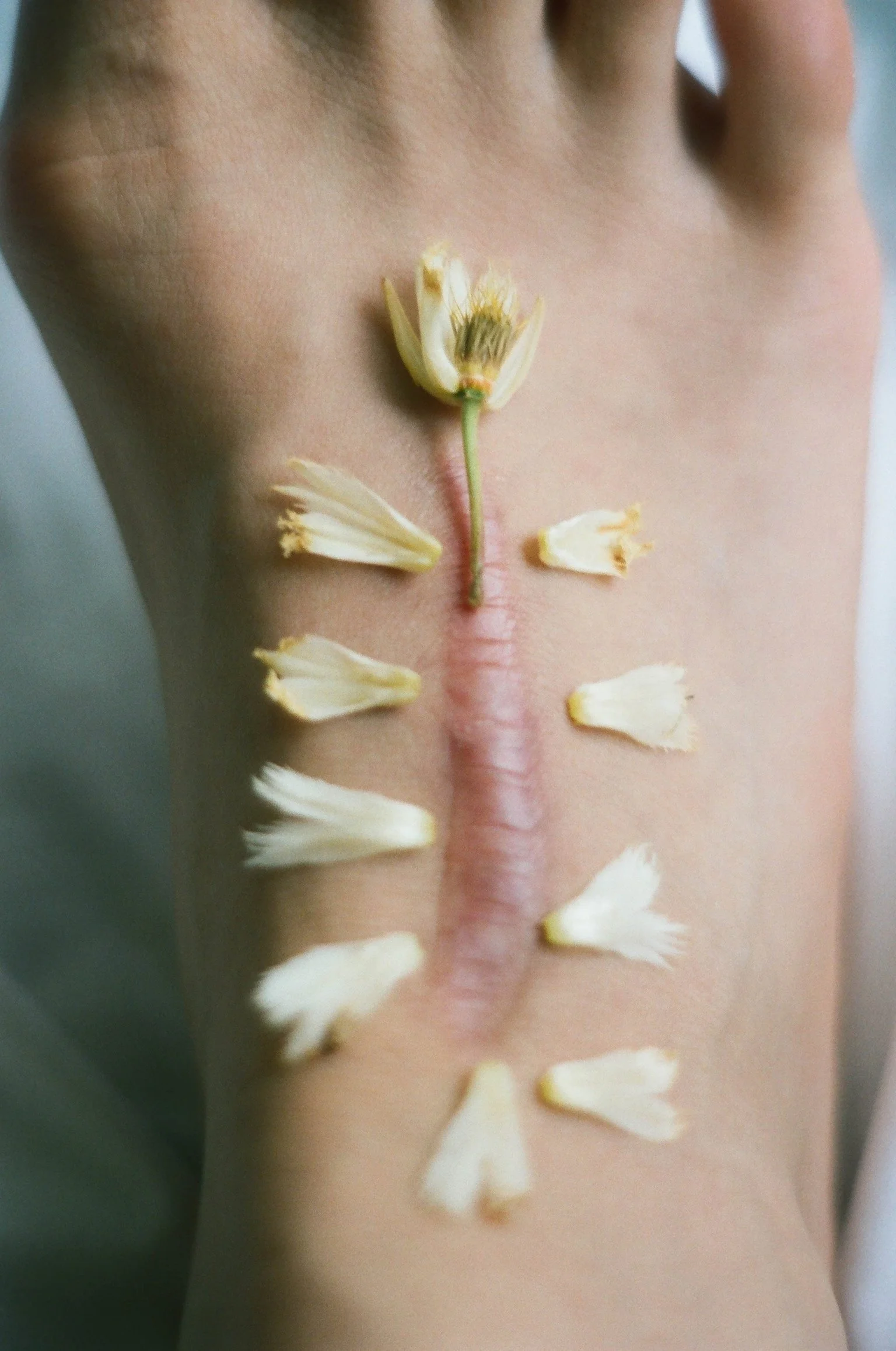
Aseptic Field
Phantasy: While your previous works seem to have focused on themes of loneliness, obsession, purity and trauma, your more recent work of White Barracks seems to delve into the nature of power and power structures. A more overt commentary on capitalism. Perhaps something that links back to your background as an economics major? What was the seed for this?
Lean: ”Base and Superstructure" is one of the most fundamental analytical frameworks I acquired while studying economics. In the Marxist context, a society’s material mode of production and capital structure (the base) determine the forms of culture, law, ideology, and even aesthetic gaze (the superstructure).
In my earlier practice, I focused on the "girl's small room"—a closed, private space exploring micro-level personal emotions, loneliness, trauma, and purity. Girl's Universe marked a pivot from the "micro-individual" to the "macro-structure." I realized that the anxiety, bodily alienation, and sense of being objectified under the gaze experienced by contemporary girls are not psychological phenomena arising out of nowhere; they are microscopic performances of Late Capitalism and power structures enacted upon the body.
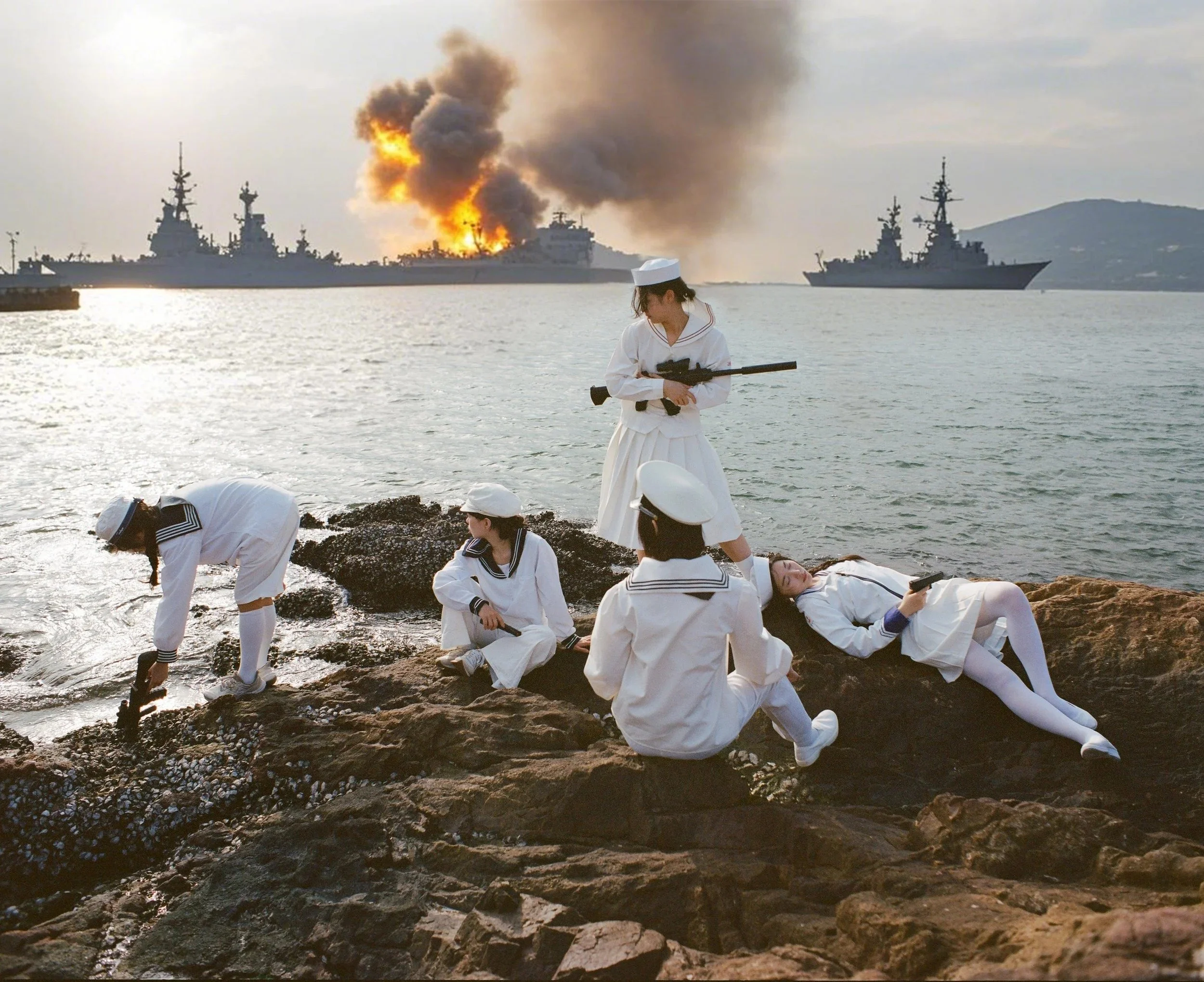
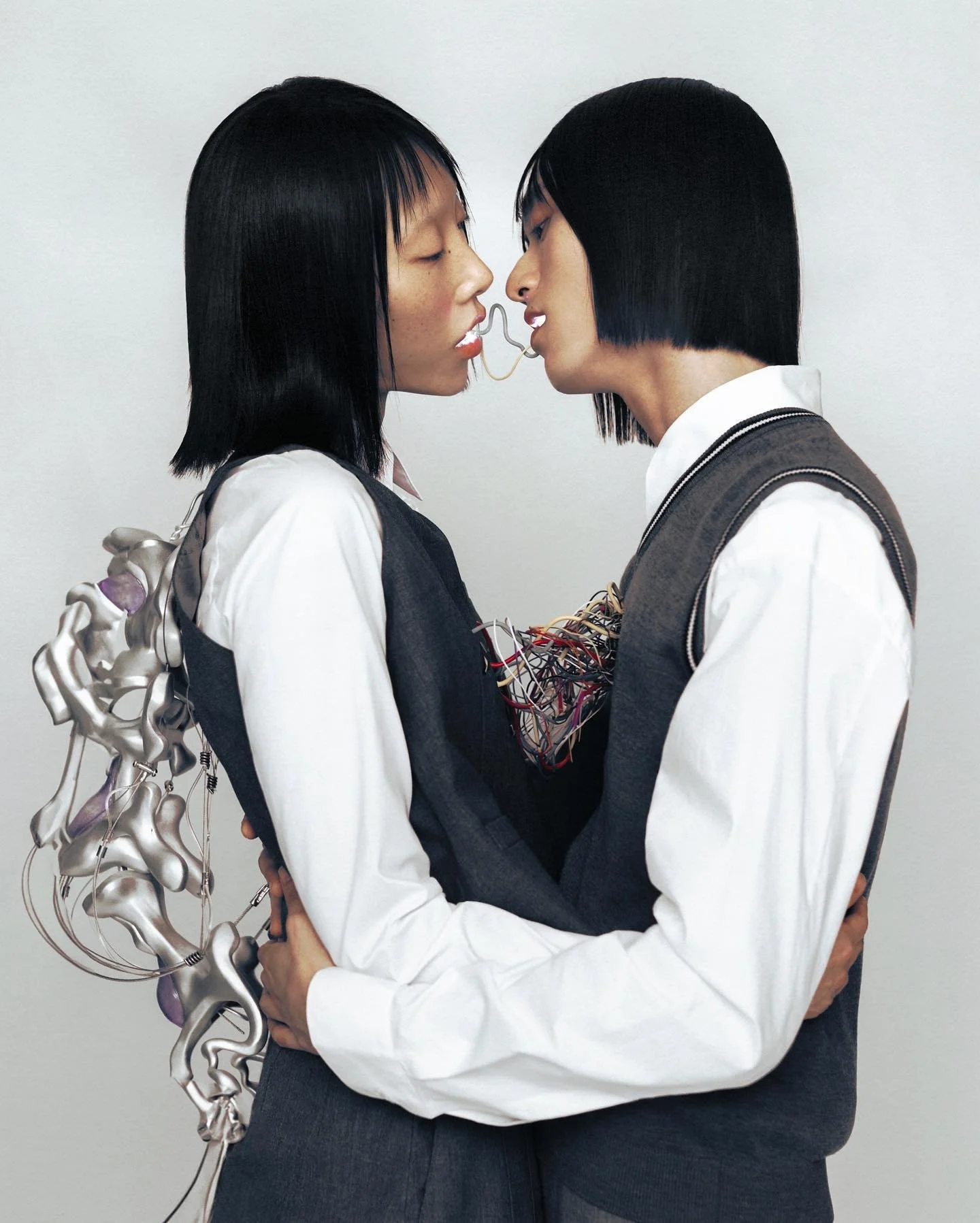
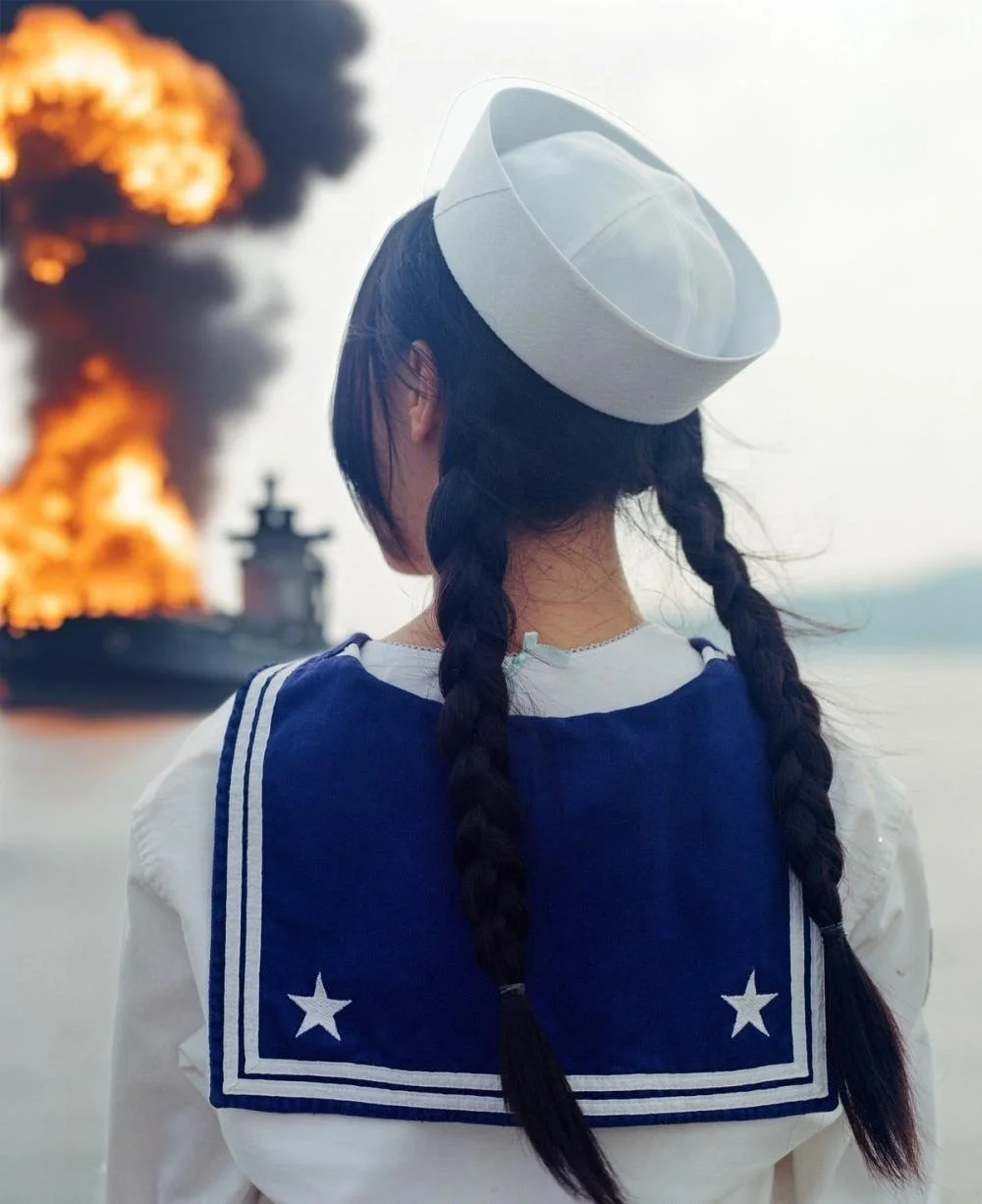
The "White Barracks," composed of figures dressed in white and standing in solemn, disciplined formation, superficially exhibits a highly militarized and institutionalized apparatus of power. Yet their core mission is to resist the commodification and sexualization of young women’s minds and bodies by external capital markets. In my own upbringing, traditional patriarchy was no longer a force that severely restricted my personal development. What influenced me much more was Girl Power or Woman Power. Fantasies once promised under patriarchal frameworks—such as romance, love, and equality—were largely "defunct" throughout my growth. Instead, I observed how different women used their own strength to forge a vision that could be realized, attained, and genuinely believed in.
This forms the most profound dialectical paradox of the work: "Guarding the purest heart with the most ruthless weapons." To protect the most fragile, unpolluted female subject within the private room from capital and the gaze, we are compelled to borrow the language of power and the form of armor to erect high walls on the ideological battlefield.
White Barracks
Phantasy: White Barracks was part of the Belfast Photo Festival 2026 Winners Exhibition. Does the recognition from critics mean anything different to you than say the online groups who championed your work in the early days?
Lean: They represent two entirely different yet equally precious forms of connection. Academic critics offer a broader coordinate system, dissecting my work through the lenses of art history, sociology, and academic frameworks. To be honest, girlhood has not traditionally been part of the mainstream or conventional "serious" art discourse, so to have a group of sharp professionals and scholars willing to look past those rigid definitions and truly recognize my practice is something I consider an immense privilege.
Meanwhile, the resonance from early online communities is deeply personal, emotional, and pure. Having a grounded and authentic audience base is also a true privilege. I actually keep a dedicated folder on my computer containing videos recorded by readers unboxing my book. (My previous publication was a handcrafted book that required untying a ribbon bow.)
White Barracks
Phantasy: Lastly, what is a question that you wished people would ask you more often?
Lean: Perhaps more questions surrounding "Contemporary Girl Studies", specifically concerning young women's evolving participation in economics and power structures.
Many young women today are growing up in a relatively equal world, attaining impressive professional development, voice, and real authority across various industries. This evolution in social structure aligns closely with the observations on "girl power" and "contemporaneity" embedded in my work. Whether they enjoy greater material prosperity, possess more choices, or are raised in a healthier, more dignified environment, the mental outlook of this current generation of girls is entirely transformed. I hope people will discuss my work more through the perspective of these shifting power dynamics and historical evolutions.