Mia Sato O’Neal on Bubble-Era Dreams, Youth Ennui and Digital Consumption
Interview by James Elliott
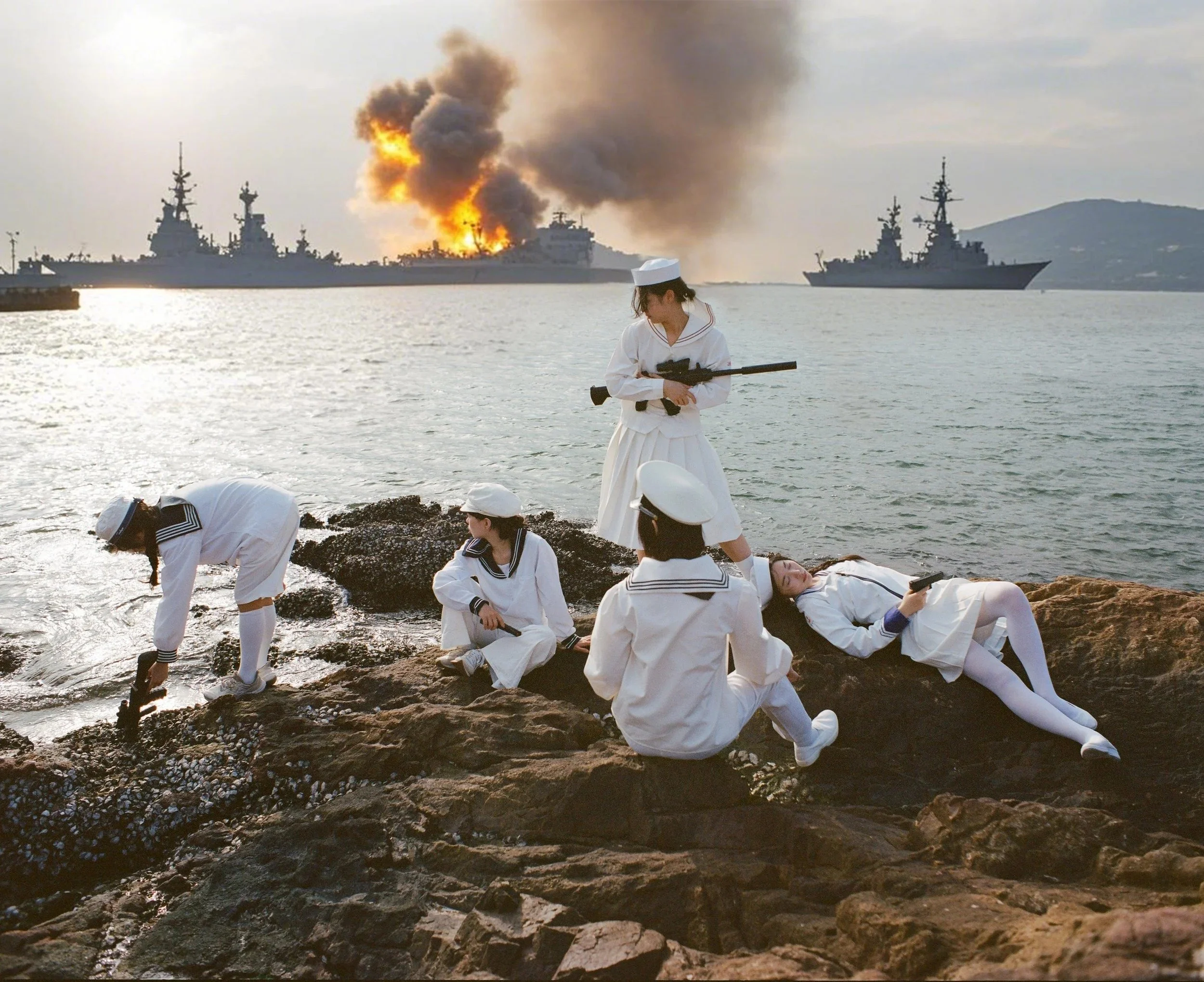
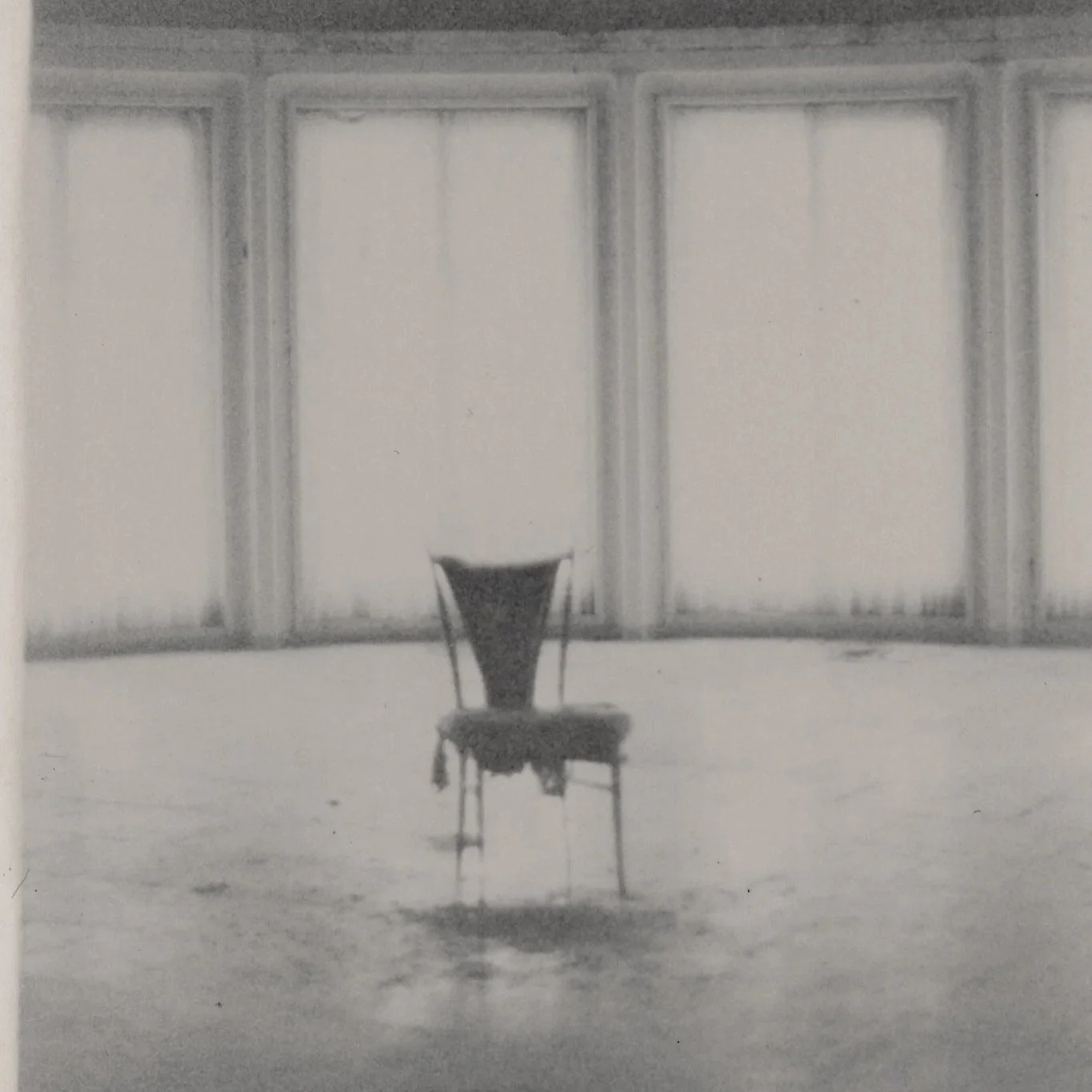
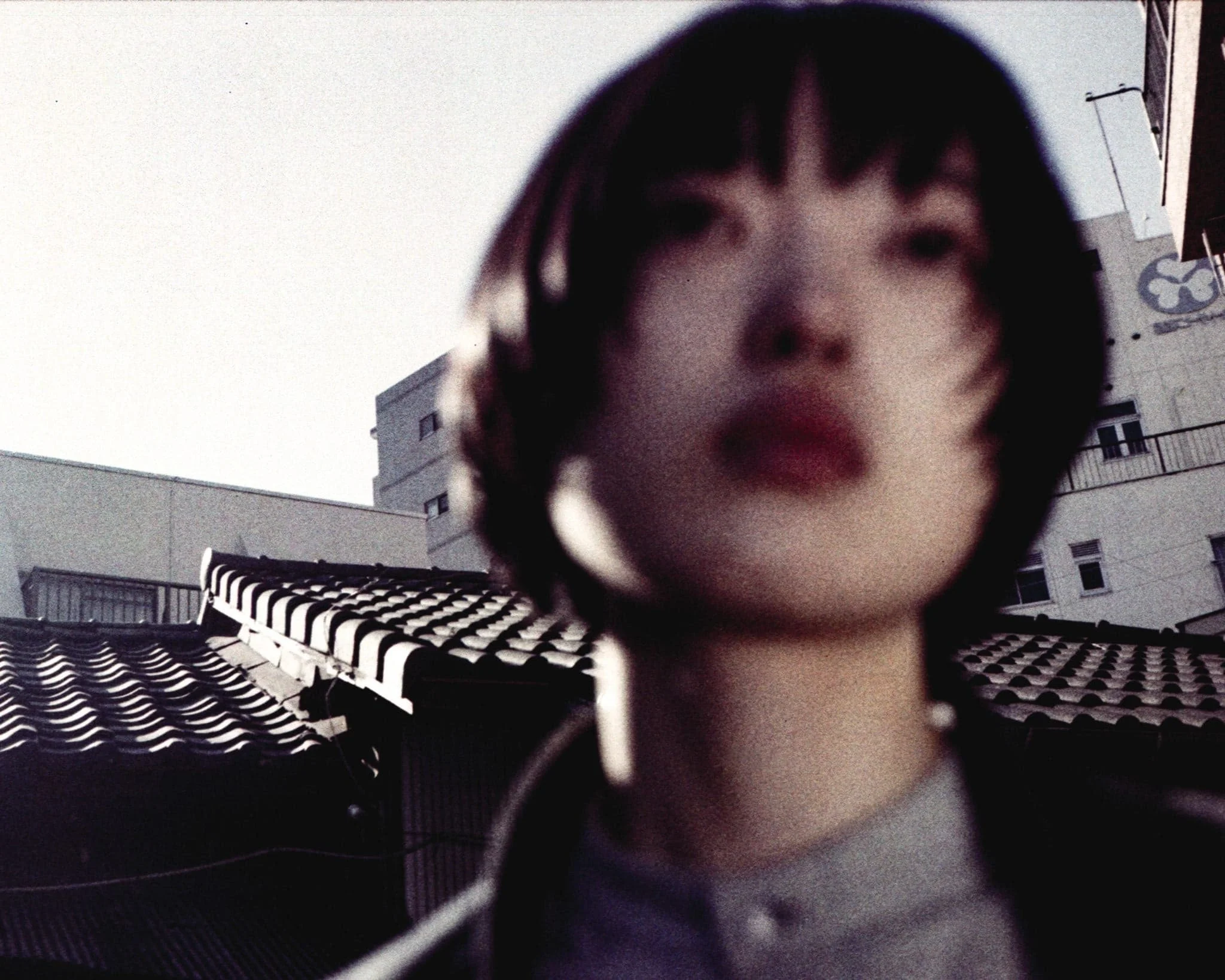
Deep in the mountains of Hakone lies a dilapidated rest area. Three circular structures encased by quarried stone, topped by thatched roofs reminiscent of the tribes of Samoa. Designed by Japanese architect Togo Murano, the entire area was constructed with the aim of fostering a healing communion with nature. Today it exists purely as an artifact for nostalgia: a relic of the extravagance of Japan’s bygone bubble era and the source of inspiration for Tokyo-based artist Mia Sato O’Neal’s latest exhibition.
In an age saturated with references to the past: recycled fashion trends, retellings of classic tales, and AI models regurgitating the detritus of human endeavour, Mia’s approach to creativity can’t help but reflect this phenomena, “I find people of my generation are often infatuated by the past. Not only do we have more access to archival media than ever before, it feels almost as if everyone wants to replicate the past rather than focus on the present. Maybe, it is to escape our current reality or perhaps counter-culture today has lost some of its resistance compared to before, which has mellowed social culture as a whole.”
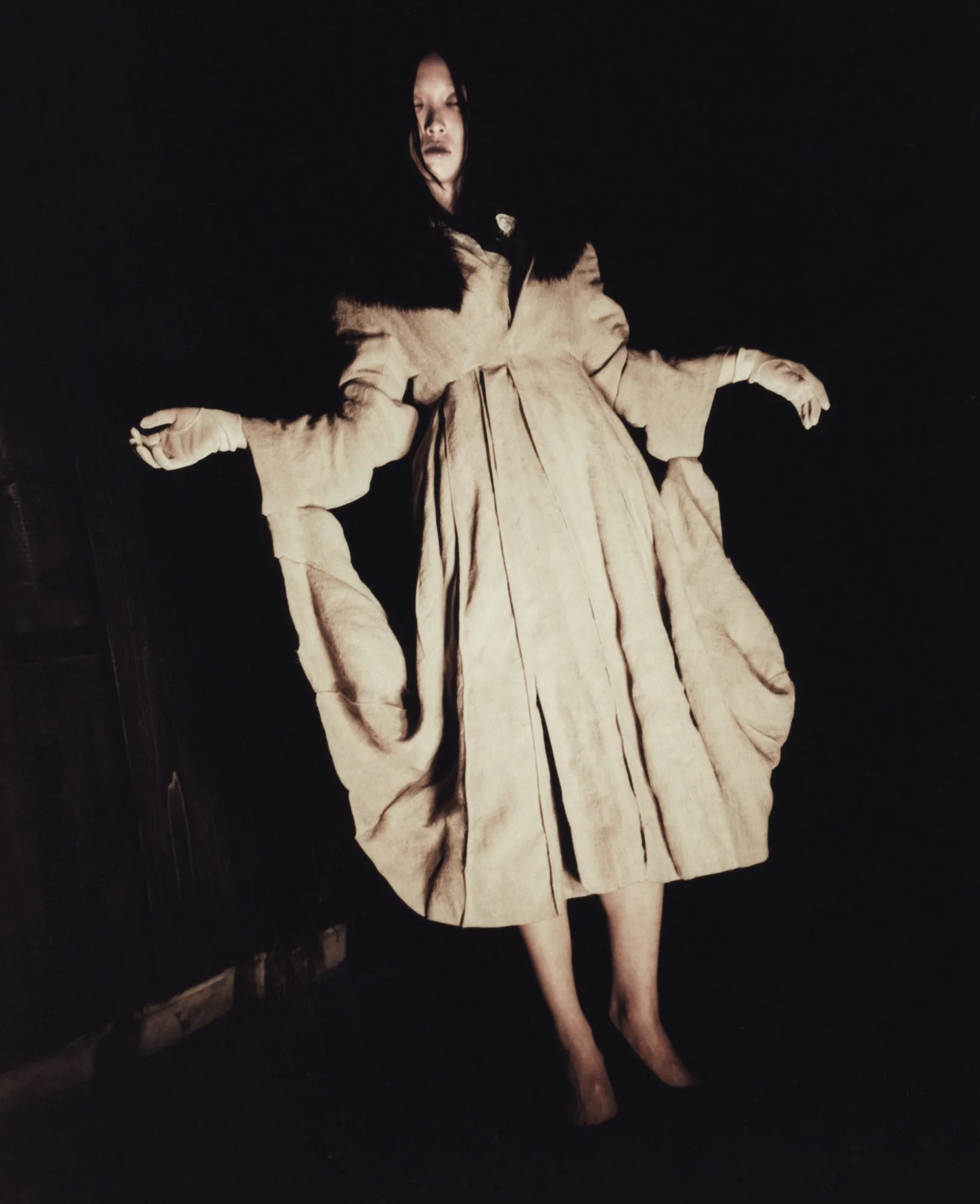
For her debut solo exhibition: GUEST 01, Mia explores this fascination with the comforts of memory through an examination of anemoia: a nostalgic longing for a time one never experienced. As young people across the globe struggle with rising inflation, shifting job markets and social isolation, her photographic and film work explores this tension between the human spirit’s need to create and the social institutions that numb our individual expression.
Phantasy recently talked with the artist about her non-negotiable need for physical media, her conflicting relationship with AI and the eternal charm of indie cinema.
Phantasy: Hi Mia, thank you so much for talking to us today. To begin with, could you briefly introduce yourself and tell us what you do?
Mia: Hello, I’m Mia Sato O’Neal, a photographer and filmmaker based in Tokyo and occasional women's buyer at KAKKO.
Phantasy: How did you start making art? Was it something that was encouraged in your childhood?
Mia: I started making art quite early in my youth. Throughout my childhood, I found myself dabbling across various visual mediums such as paint, graphic design, video, photo, and fashion.
As an introvert, I was quite shy growing up and I found that I needed some sort of visual medium to express myself because I never could with just words.
Phantasy: What were your early influences when you first began creating seriously?
Mia: Certainly movies. Though I spent most of my teenage and young adulthood years in Southern California, home to the capital of Hollywood films. I was never much into mainstream Hollywood movies. Many people are even surprised to hear I haven’t seen or know of certain famous movies or actors. The commercial stuff entertained me but never made me think, “ I need to make a movie.” Rather I was always charmed by more indie projects: b-movies, experimental, avant-garde or documentaries. I’ve always been interested in films that feel both real but also interpret reality unconventionally. This style resonated most with my own lived experiences.
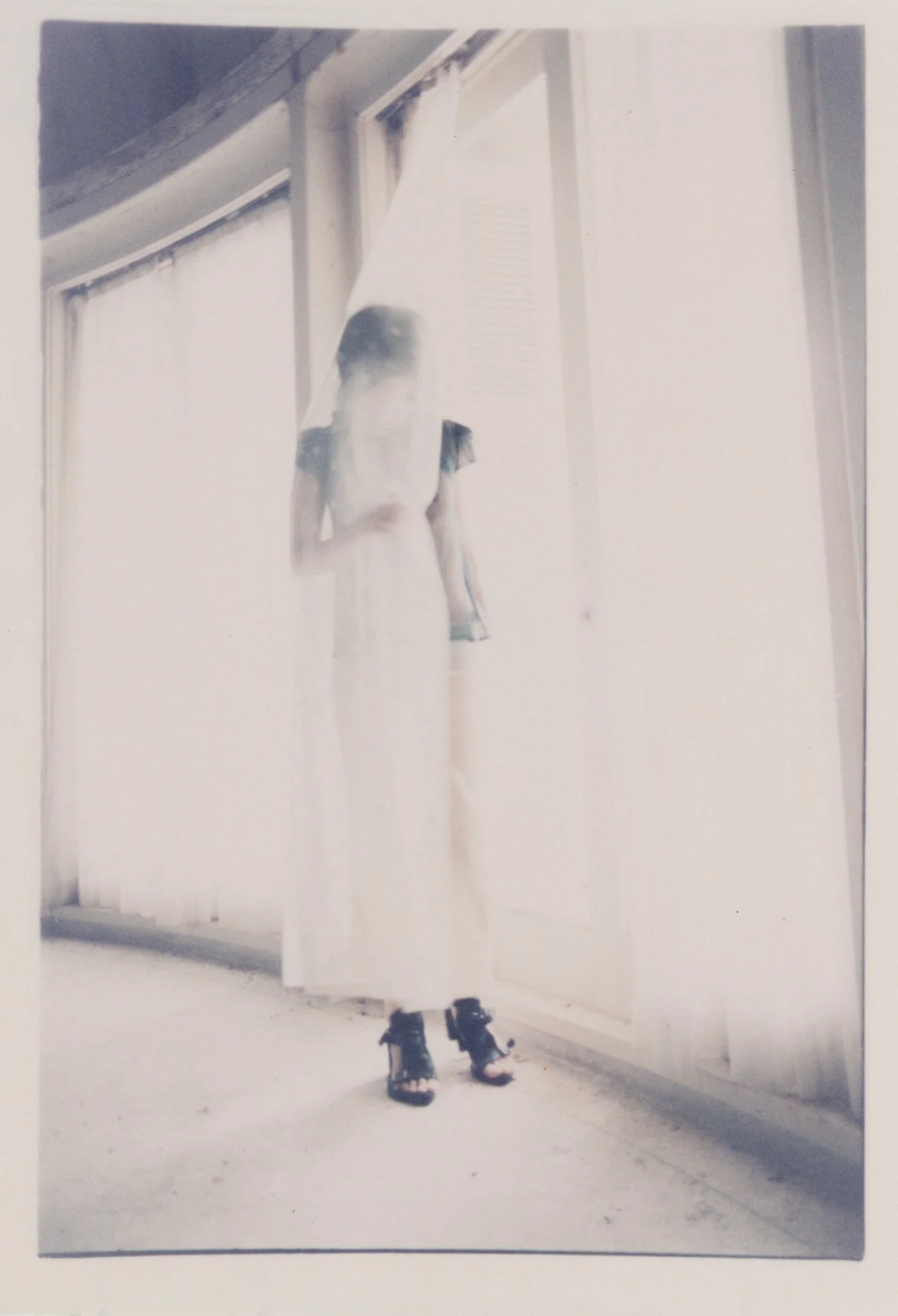
GUEST 01
Phantasy: Why did you settle on film and photography?
Mia: I can't even say I’ve settled with it honestly; everyday I am still figuring out what I really want to do. But I think film and photography feels like a visual expression that is suitable for me because I can explore and uncover parts of my subconsciousness that wouldn’t otherwise come out. In a sense, it unveils what I really care about in life.
Phantasy: Nature seems to be a prominent motif throughout your work, contrasted often against the harshness of the city. You choose to live in one of the world’s largest cities, how do you balance this tension between the two?
Mia: I moved around a lot so I grew up in both rural and urban settings throughout my life, which I am equally drawn to. Because of this lifestyle, always moving from place to place, I also get easily bored of seeing the same thing everyday and need constant change in stimuli to excite and inspire me. Some days I want to walk around the city, be lost in the chaos of it and witness brief vignettes of strangers passing by. Other days I just want to lay on the ground, completely immersed in nature and only listen to the sound of the wind and trees swaying.
I’m drawn just as much to the chaotic rush of a city like Tokyo as I am to the stillness of nature. Such contrast feels like the perfect balance for me in order to maintain my sanity.
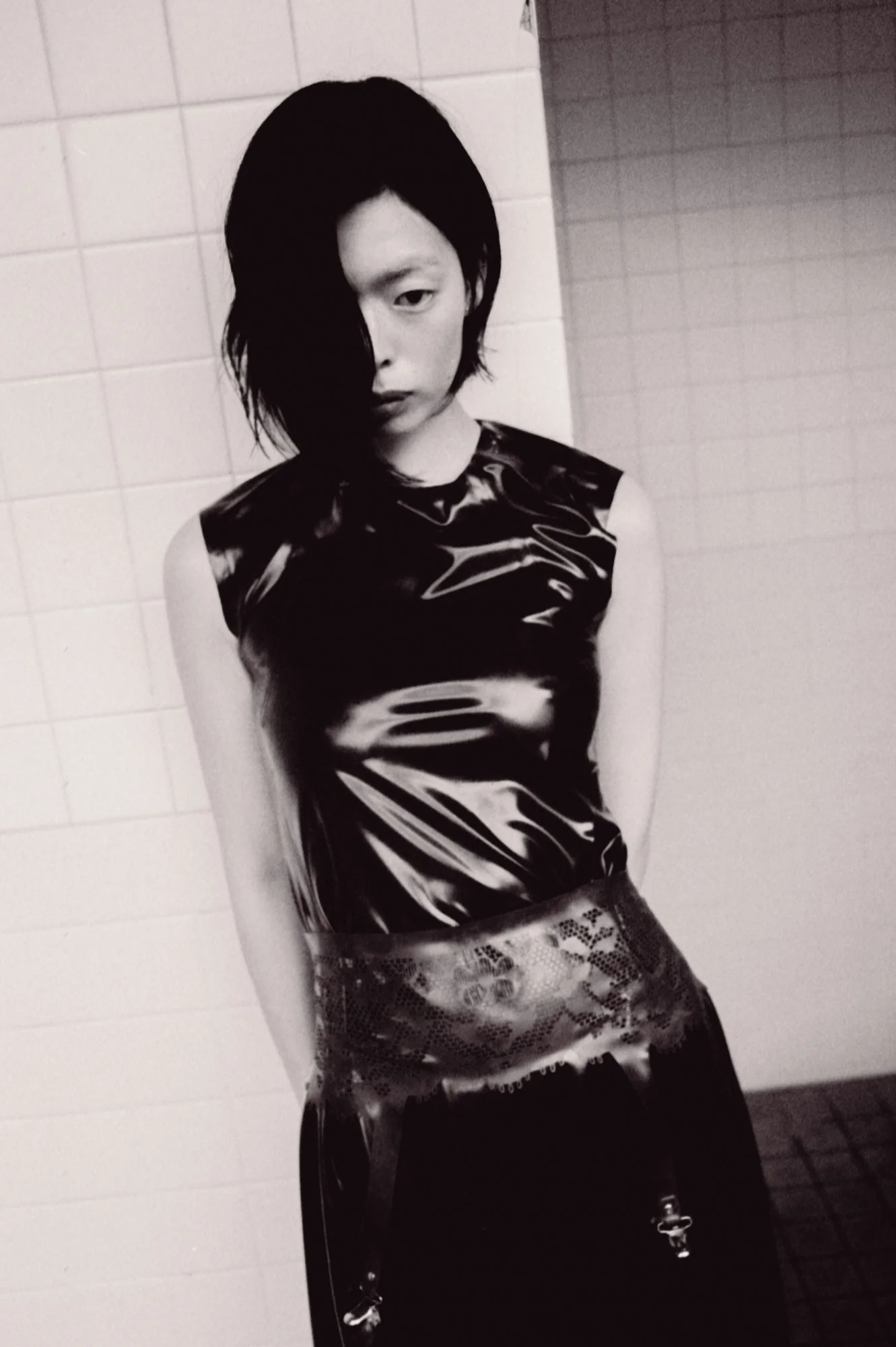
GUEST 01
Phantasy: Looking back at your experimental documentary Detached City, thematically it reminded me of the works of Adam Curtis or Godfrey Reggio’s Koyaanisqatsi: what was the inspiration behind this piece?
Mia: Yes actually Koyaanisqatsi was certainly an inspiration. Along with many early 16mm Japanese experimental filmmakers like Jun Kurosawa, Akira Hoshino, and Shinya Tsukamoto.
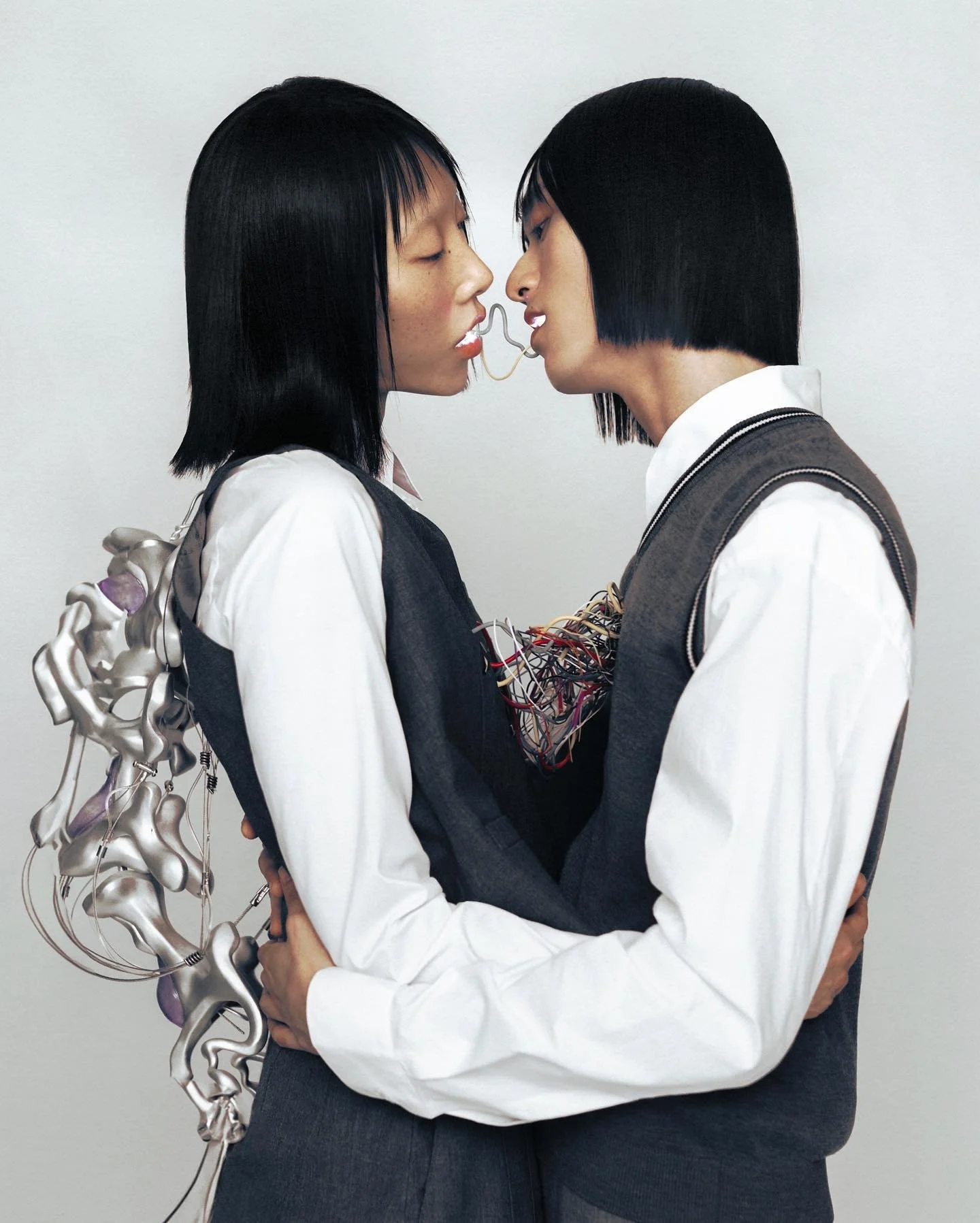
Co-existing alongside a generation who were the first to be born into a world fully integrated in digital technology, from an early age I had access to a computer. I browsed the Internet, played video games and built friendships online. But I was also one of the last to still enjoy playing outside. So, I experienced the best of both physical and virtual worlds.
Especially after the pandemic, society witnessed a dramatic decline in interpersonal contact, but conversely, a rise in technological consumption, social isolation and depression. Given my own personal conflicting relationship with technology and witnessing the condition of today’s youth, I felt inspired to highlight and explore this issue through Detached City.
“In a world where everything is so digitised, being able to hold a physical negative in my hand makes me feel closer to reality.”
Phantasy: GUEST 01 marks your debut solo exhibition, congratulations! While touching on nature it seems to explore dreams and nostalgia. What was your reason for focusing on these themes this time?
Mia: I think in a way this project stems out of frustration, again, for the current state of society, but this time more specifically towards the economic state: the daily struggle to make ends meet, a longing for an era where money and opportunities seemed infinite. Rather than nostalgia, it's a state of anemoia.
Living in Japan now, I find myself often drawn to remnants of bubble-era architecture, stemming from a combination of envy and awe. I find people of my generation are often infatuated by the past. Not only do we now have more access to archival media than ever before, but it feels almost as if everyone wants to replicate the past rather than focus on the present. Maybe it is to escape our current reality. Or perhaps counter-culture today has lost some of its resistance compared to before, which has mellowed social culture as a whole. Also, now because we all have an additional virtual presence, it feels like everyone wants to put up a front that they are having fun but in reality it seems no one knows how to actually have fun anymore; maybe because we are too focused on surviving now and there is nothing to celebrate.
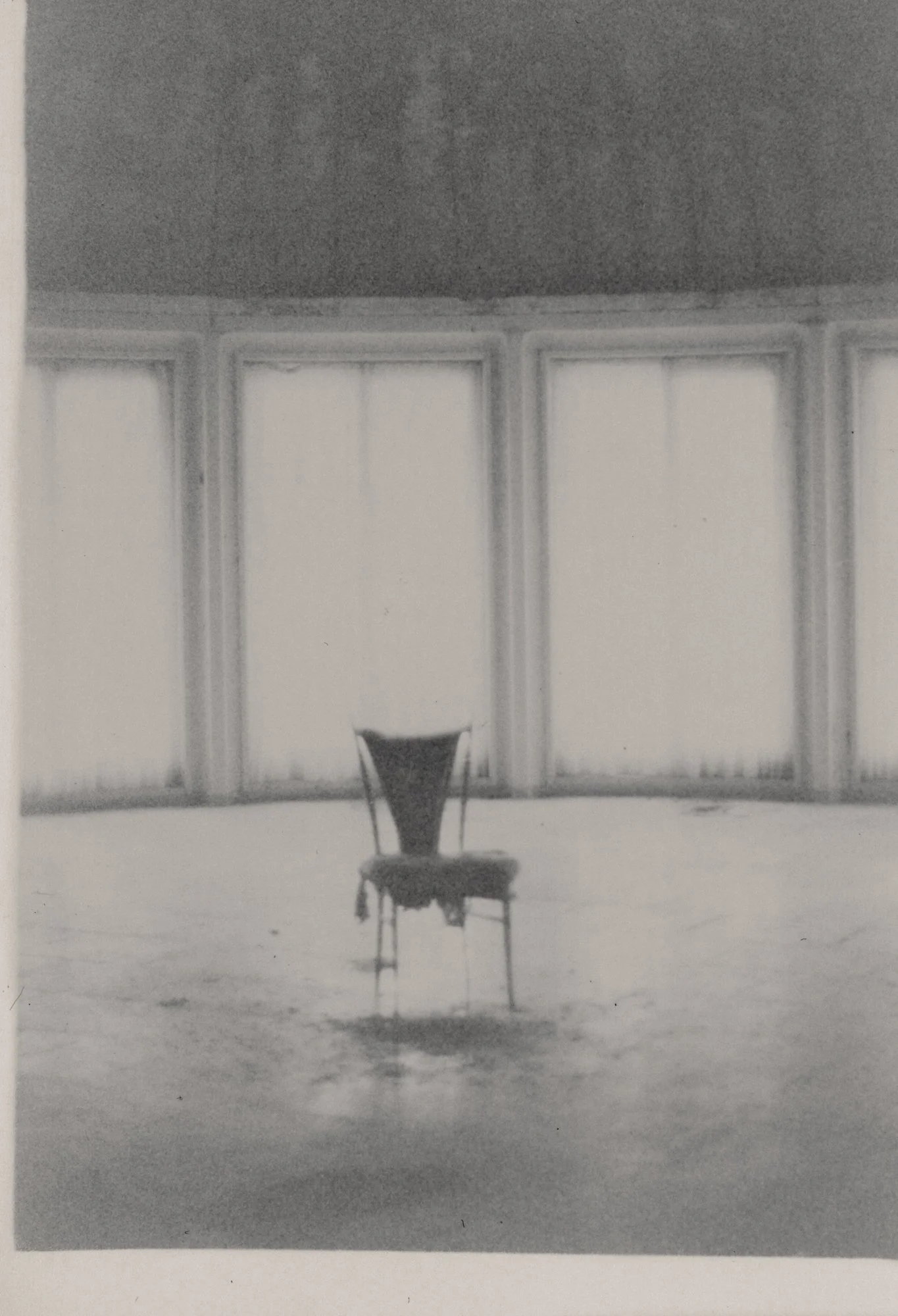
GUEST 01
Phantasy: The film portion of GUEST 01 was shot on 16mm film? In an age when many people continually seek convenience, speed and efficiency, what was your thinking behind picking a relatively slow and expensive medium?
Mia: Despite its inconvenience and price, shooting on film is something I often find non-negotiable. The imperfection, rawness, and physicality of it feels closest to my visual identity. In a world where everything is so digitised, being able to hold a physical negative in my hand makes me feel closer to reality.
“I feel as artists [AI] can be threatening to free thought and our creativity, creating echo chambers, making everything feel and look too similar. But simultaneously, the speed at which we can access information can help us create in ways we did not know how to do before...”
Phantasy: You seem fascinated by this relationship between societal forces and the individual. With the rise of AI becoming more prevalent in our everyday lives, how do you see art, creativity and essentially the human “spirit” reacting to this shift in technology?
Mia: When AI first became increasingly more relevant in our daily livelihood, as an artist my first instinct was to reject it.
Yet, it is now so interlaced in our daily lives that rejecting it feels as if you are putting yourself behind. It gives us more access to information than before, which obviously consequently makes people lazier, less willing to do their own research, and develop themselves on an individual basis. Even I find my own personal development being lagged by it and it has become a resisting force that I am struggling to accept.
And so, because of this decline in critical thinking, I feel as artists it can be threatening to free thought and our creativity, creating echo chambers, making everything feel and look too similar. But simultaneously, the speed at which we can access information can help us create in ways we did not know how to do before and the way we all interpret this new technology is interesting within itself, so I feel very conflicted with my relationship with AI.
Phantasy: What’s next for Mia Sato O’Neal? How would you like to develop as an artist moving into the future?
Mia: Actually, I would love to create more documentary work. I think the more I shoot, I realise I am more interested in capturing something real rather than something too fabricated. I also want to lean more into film work, as that was my first love and I am starting to feel it's a visual medium that I can express myself more so than photo.
GUEST 01 is on display at 229 until 23 August