Lykai on Nostalgia, Blockchain and Performance
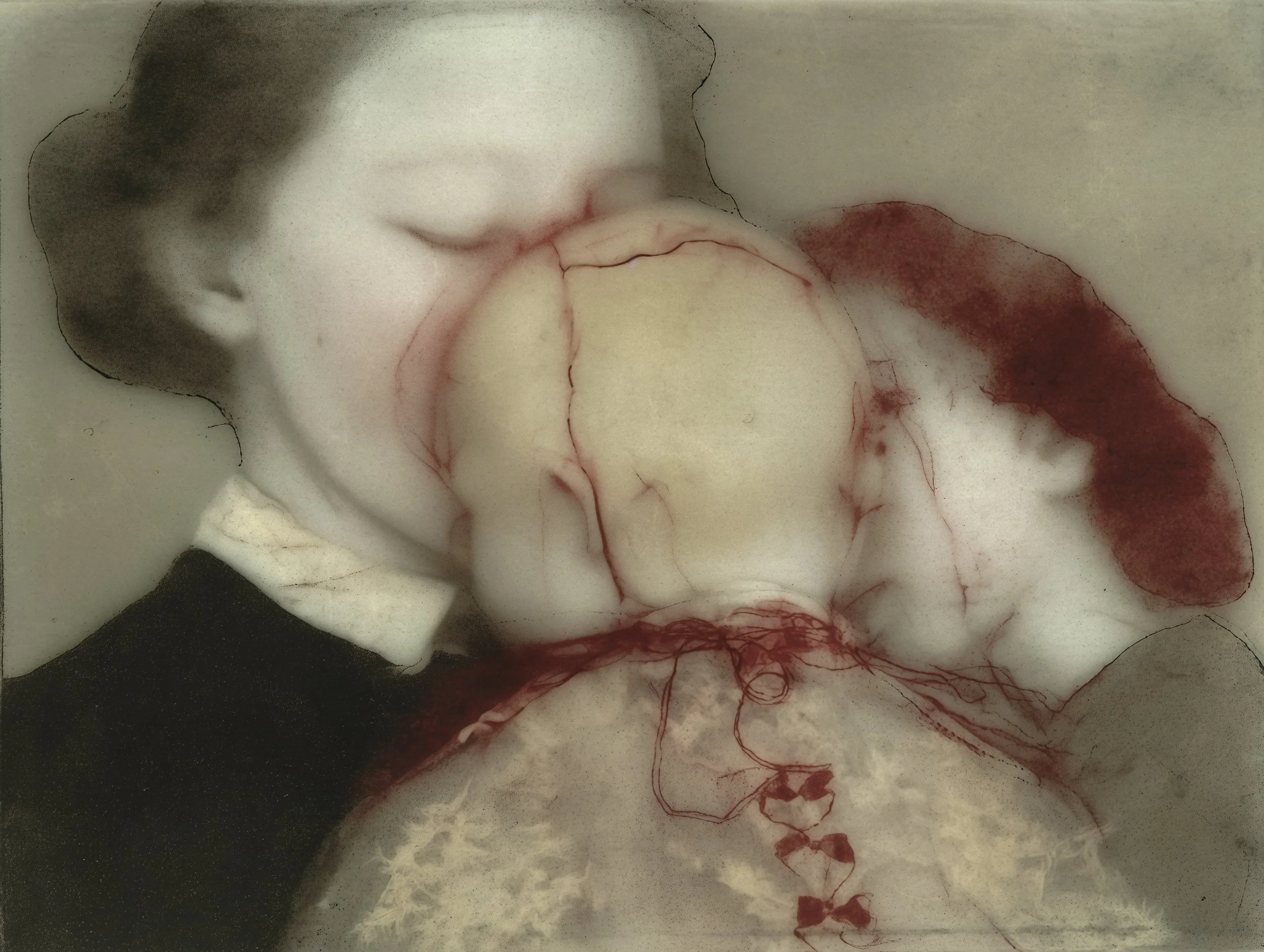
make a wish (2025)
Vein-like strands of hair under a veil. The handle of a hairbrush. A blouse underneath a frilled pinafore. A mark at the base of a buzzed head. Splotches on a doe’s polka dot coat.
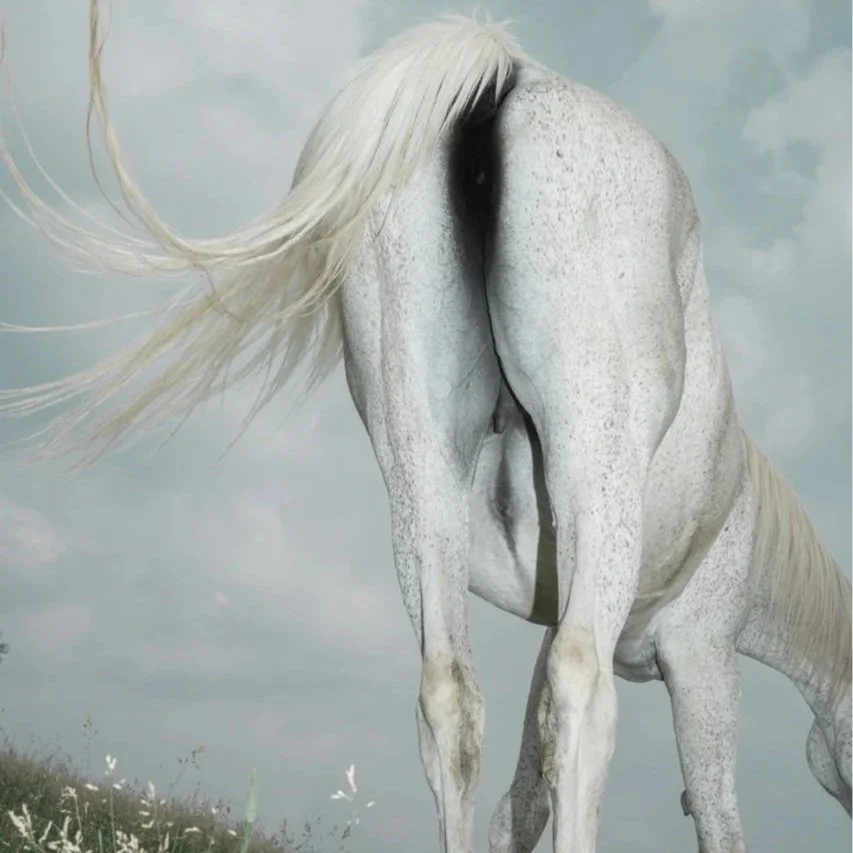
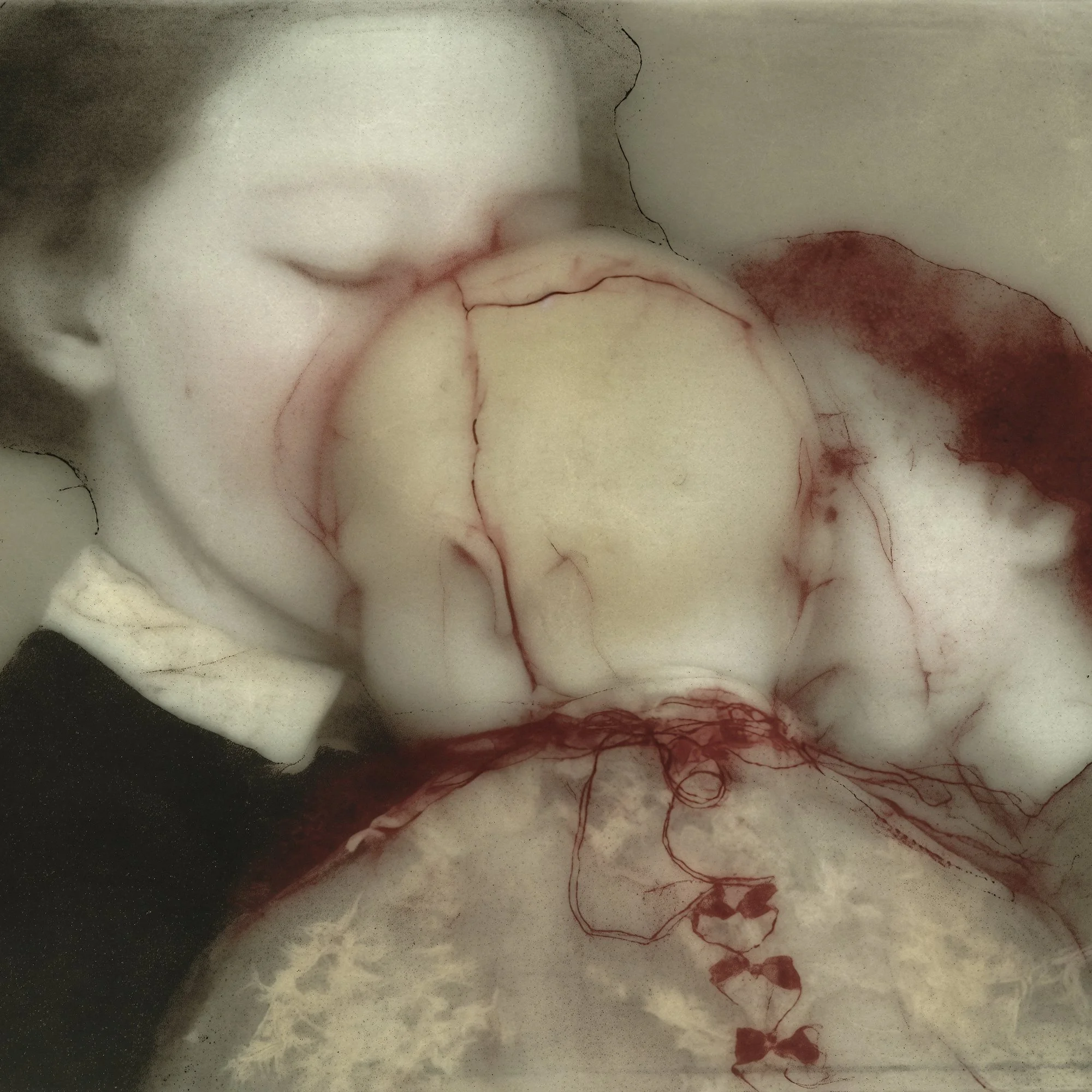
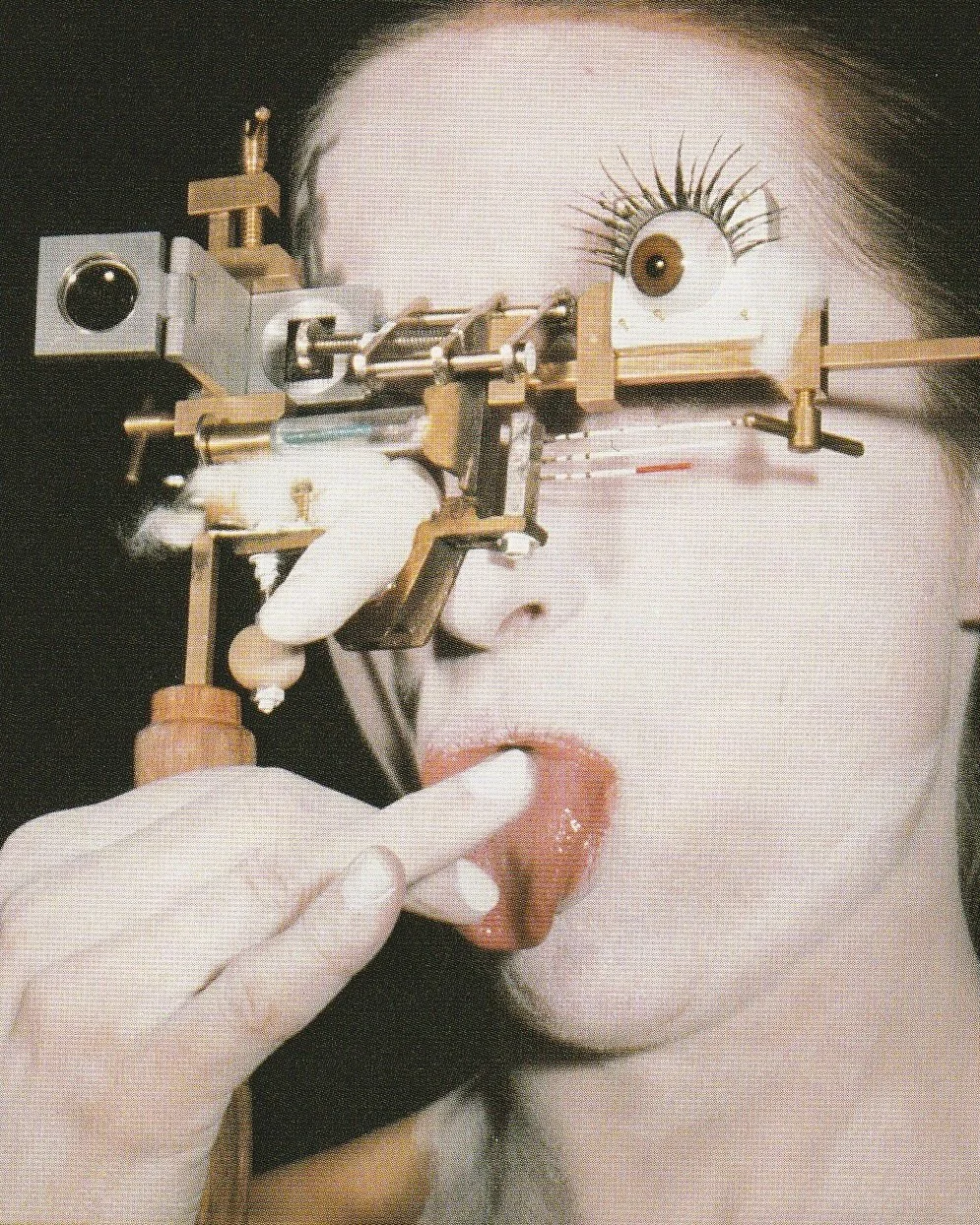
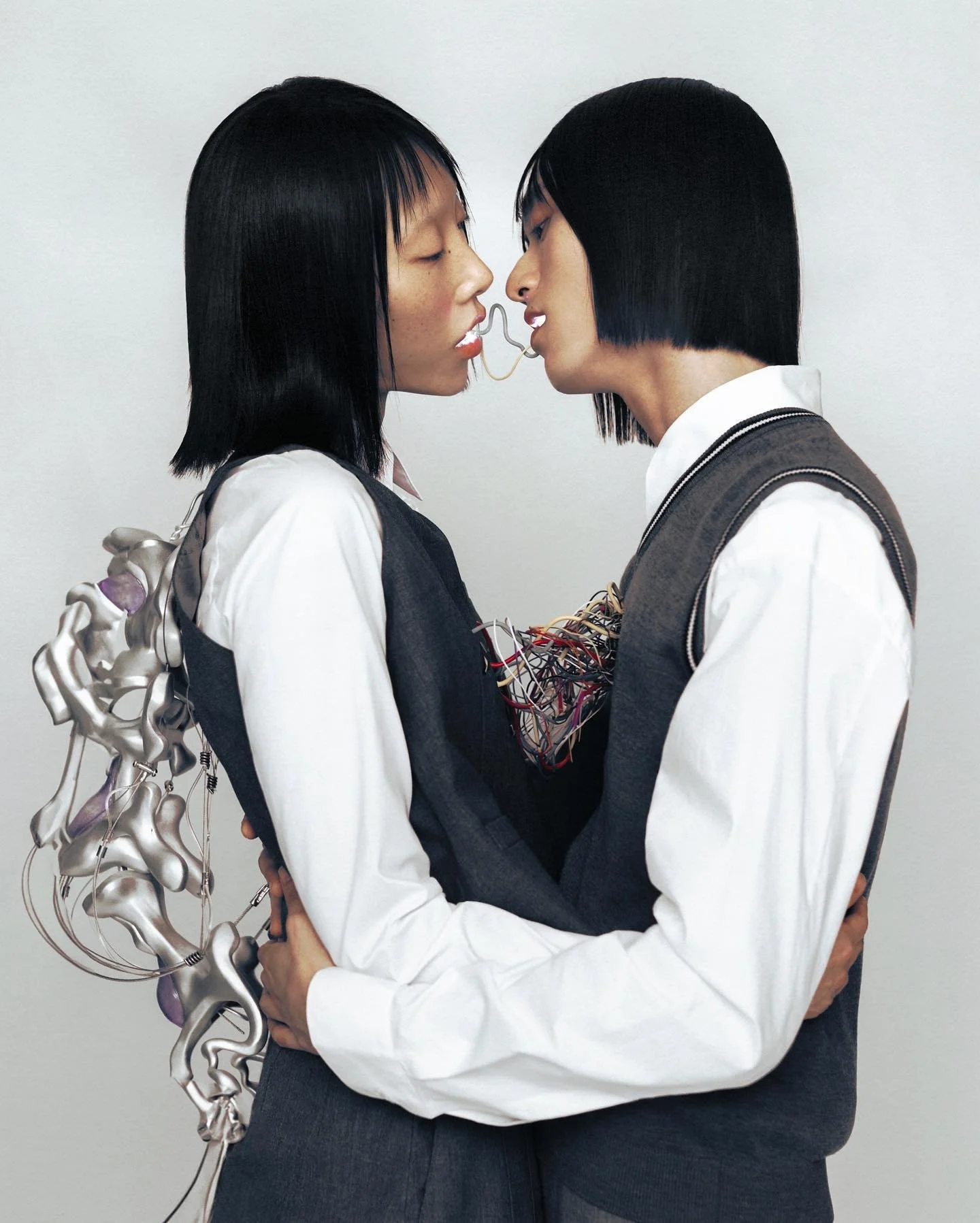
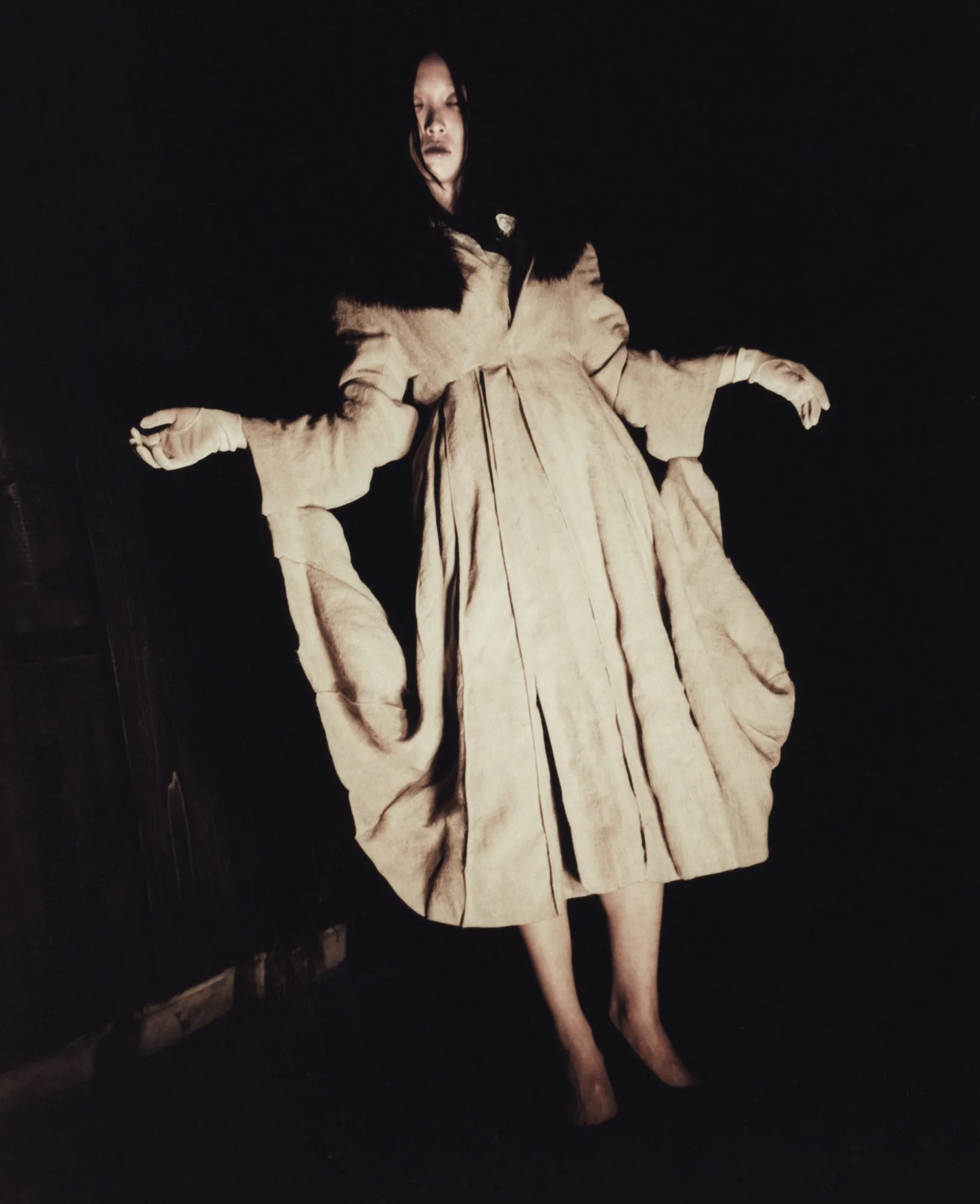
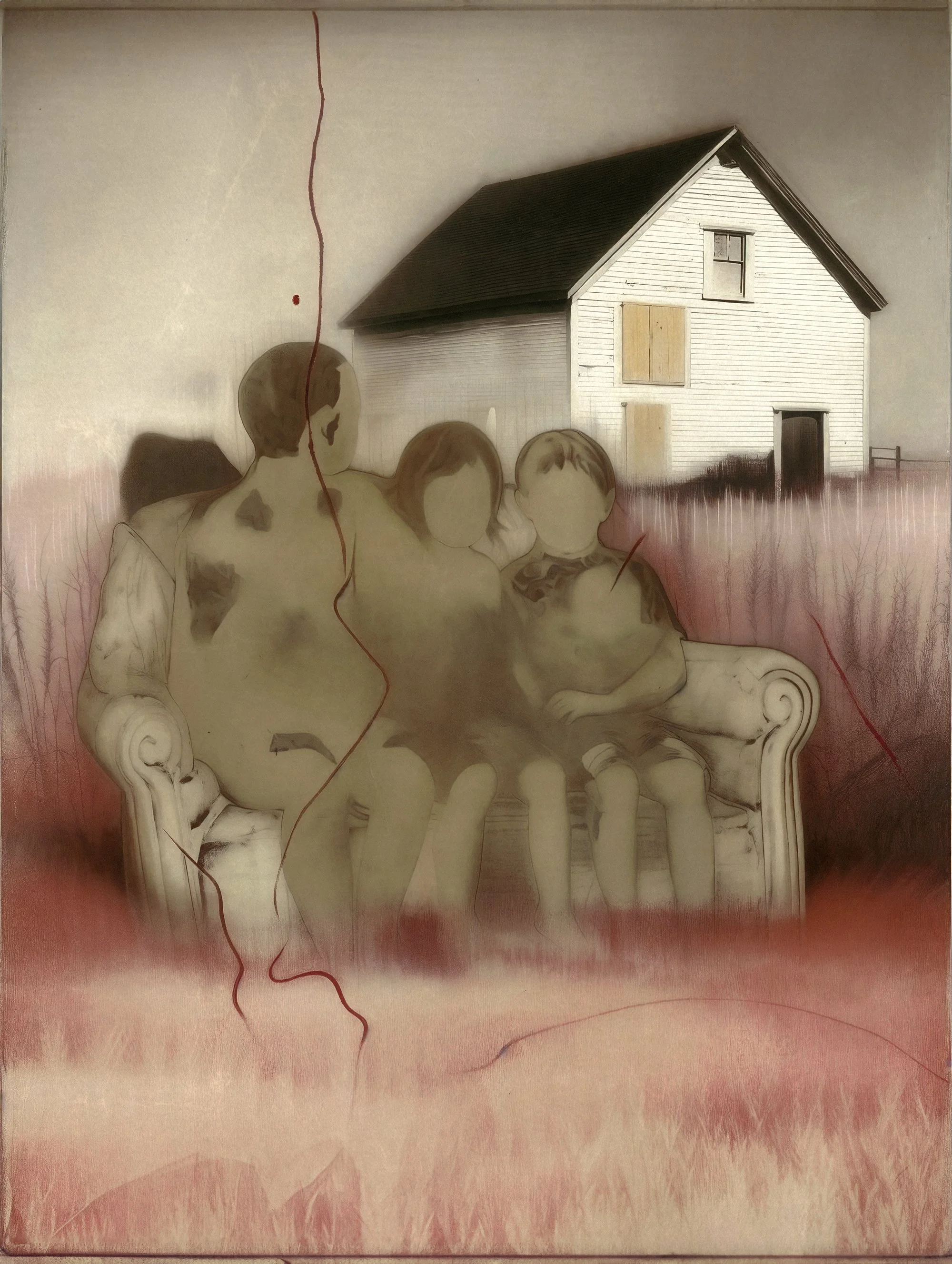
These red motifs run throughout artist Lykai’s latest series, before it was named. Yet, for the most part, her work tends toward muted palettes, using figurative painting to depict scenes ranging from childhood playgrounds, isolated outhouses, animals and clowns. Lykai states that “I feel most at home in muted tones. They feel close to memory for me—worn, familiar, never completely clear. Red is more instinctive. I see it as the nervous system of the image, carrying feeling through it and revealing where something is tense, wounded or still alive. Sometimes it becomes a thread, sometimes a pulse. Its meaning changes with whatever it touches.”
Balancing fashion PR and logistics with her practice as an artist, the use of NFTs and blockchain with the “traditional” medium of paint, her work functions beyond the parameters of popular imagination’s vision of an artist. Lykai works with AI technology, but she hardly fits the bill of an AI culture vulture (à la Refik Anadol). She is acutely aware of the commercialisation of creative work, via blockchain art sales and fashion logistics, but recognises that sales aren’t the whole measure of artistic output. In her work and output, Lykai operates in between different spheres of play: juggling between nostalgia and the present moment, digital and physical mediums, fleeting emotions and the urge to record.
Phantasy recently spoke to the artist about the importance of playgrounds in her practice, the impact of AI on the art market and “the quiet tensions of being temporarily alive”.
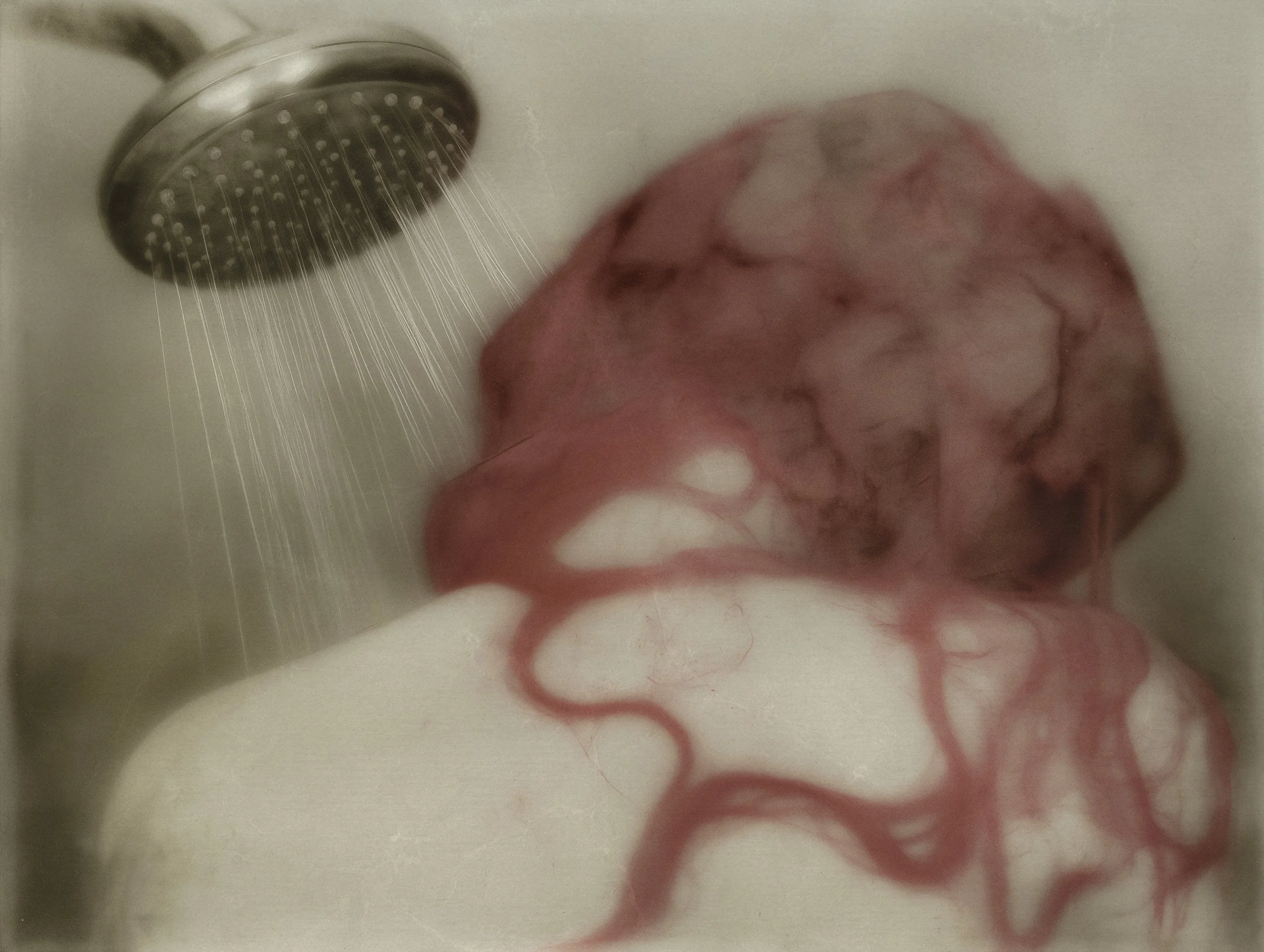
numb (2025)
Phantasy: How would you describe your art?
Lykai: My art maps the quiet tensions of being temporarily alive. Working across digital, physical and time-based processes, I use softened figures and symbolic environments to move between memory, bodily sensation, intimacy and existential distance. Through my art, I ask how we might remain tender, curious and present within bodies, relationships and social structures we know cannot last.
Phantasy: In what circumstances do you think you make your best work?
Lykai: When an emotion has stayed long enough to become more than my first reaction. Discomfort may begin the work, but distance helps me recognise what is worth following.
Phantasy: Which artists have inspired you the most?
Lykai: I would say Vladimir Gažovič was my early influence. I was drawn to the texture and tone of his lithographs, then to the mystery in his fragments and distortions. Friedrich Einhoff and Parajanov too, they continue to draw me in through their figures, surfaces and symbolism. Mary Oliver is my essential, her work makes me feel grounded. She reminds me of my place in this world as merely a passenger—to remain curious, pay attention and care for things that were never ours to own. Michael Pollan is not an artist, but his writing has made me think differently about consciousness and how we perceive reality.
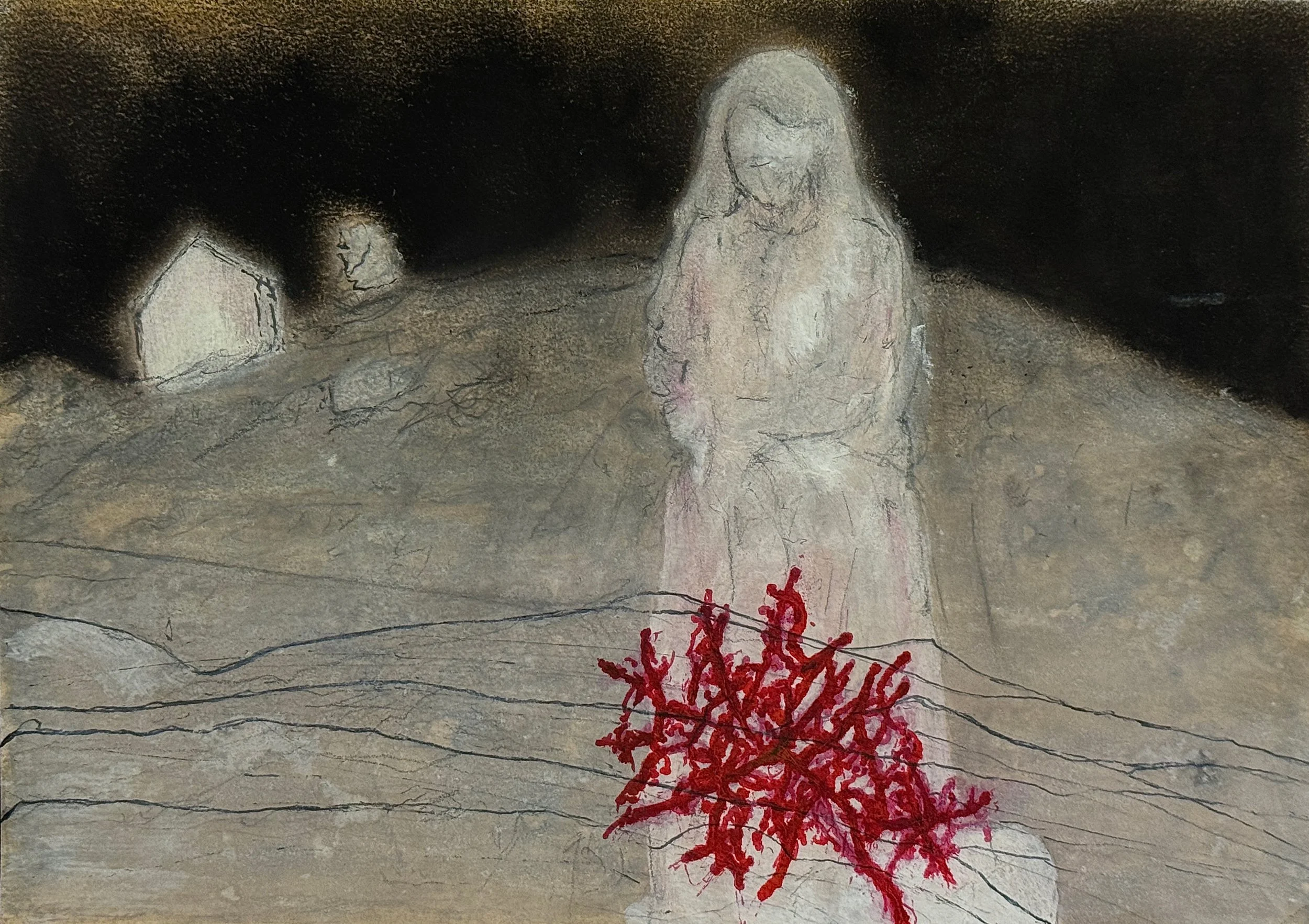
putredo in frigore (2025)
Phantasy: Favourite artwork?
Lykai: I’m bad at favorites, they feel too permanent :) Lately, Joe Pease’s Transfiguration and Emma Rose Schwartz’s Trundle Front and Trundle Back have caught my attention. For now, that feels more truthful than choosing one.
Phantasy: Your work often uses a kind of sepia colour palette with bursts of red. What does the colour red mean to you? What attracts you to these, for the most part, muted tones?
Lykai: I feel most at home in muted tones. They feel close to memory for me—worn, familiar, never completely clear. Red is more instinctive. I see it as the nervous system of the image, carrying feeling through it and revealing where something is tense, wounded or still alive. Sometimes it becomes a thread, sometimes a pulse. Its meaning changes with whatever it touches.
“My attraction to skin extends beyond my own body. Bruises, veins, marks, even fish skin. Perhaps because skin is both protection and exposure. It quietly records pressure, injury, contact and time without revealing the full story. That feels close to how memory works for me.”
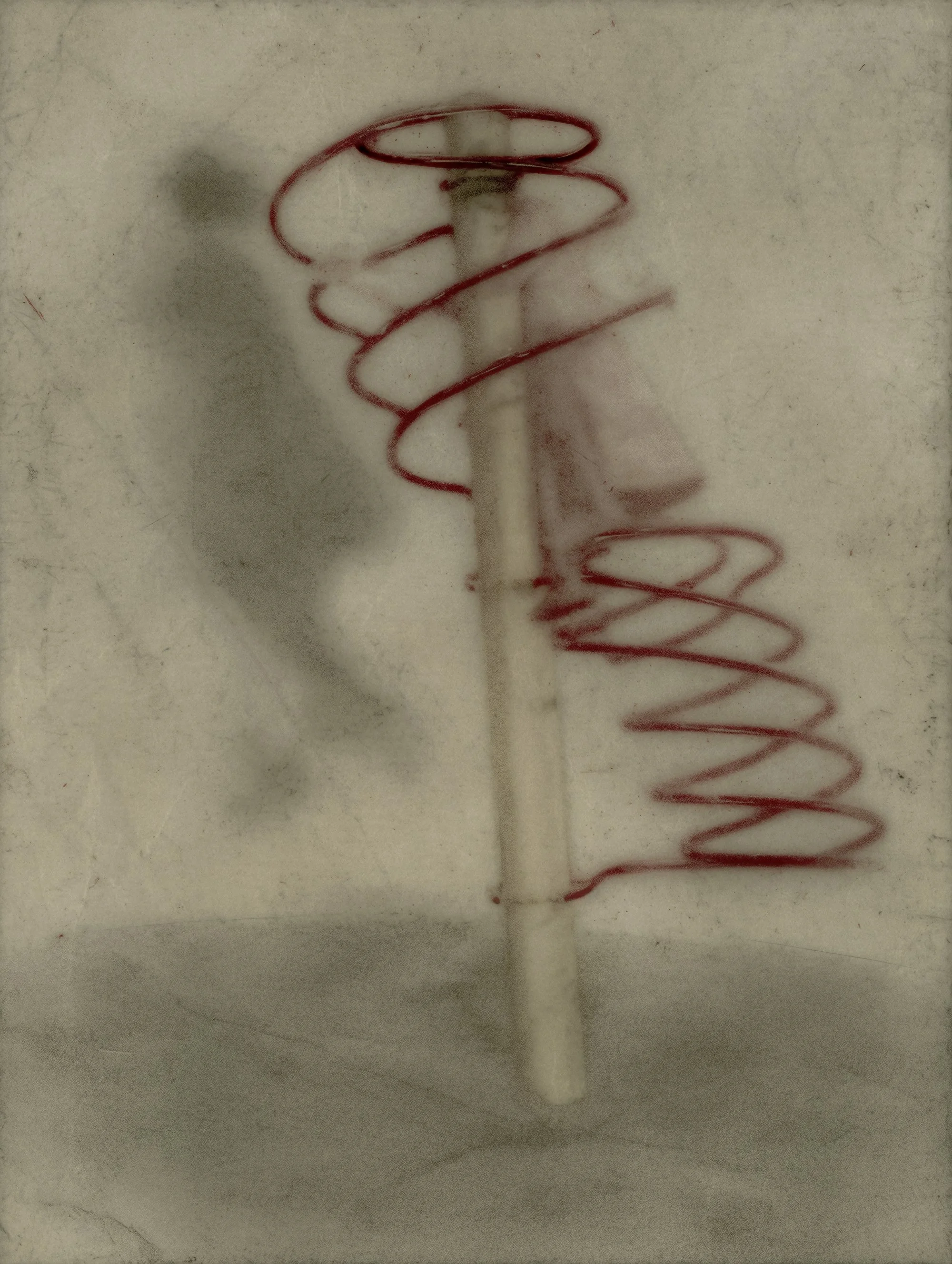
i returned until it changed (2026)
Phantasy: A Playhouse Not Yet Built depicts spectral figures in playground areas. What does the nostalgic environment, revolving around play and movement, allow you to express in your work? Why did you opt for this setting?
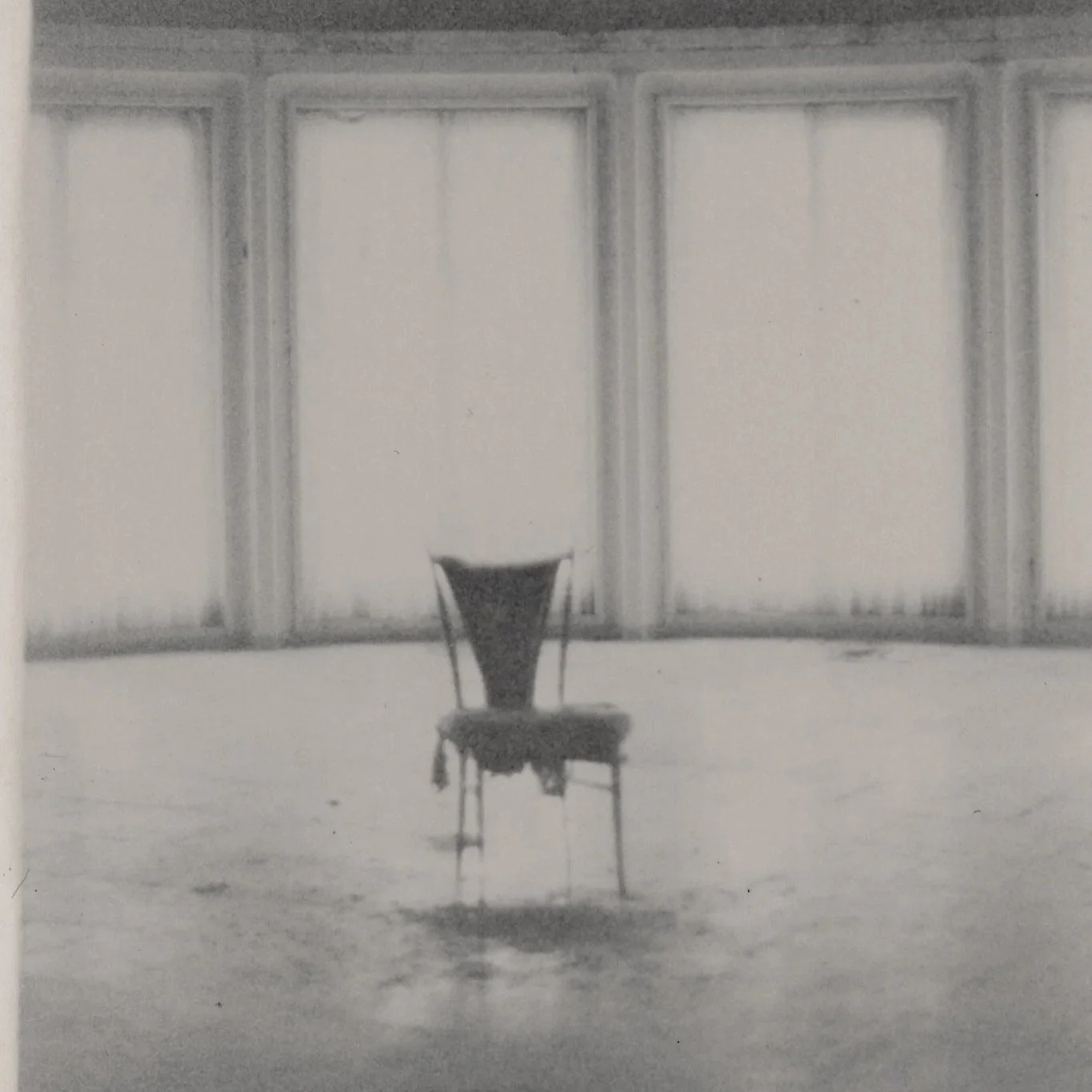
Lykai: The idea actually began with the word “playhouse.” I never had one, or thought of it as something I was missing. Later, I became interested in how it can mean a toy house, a theatre, and a place where children rehearse adult life. Since I had no playhouse to return to, I returned instead to the playground in front of my childhood home. A playground asks you to climb, cross, hold on and let go. Gradually, these movements became emotional patterns. Seeking support, circling the same point, crossing another gap. The spectral figures are more like traces of different selves moving through them. The work doesn’t reconstruct one memory. It uses a familiar place to understand the present. Nostalgia, for me, is less about going back than finding where I am.
Phantasy: You share your work on several NFT platforms, including super rare, transient, objkt, ninda and Zora. Do you think that blockchain technology can truly revolutionise the way that we trade and therefore relate to each other? How does this impact your output as an artist?
Lykai: Web3 welcomed me while I was still developing my identity as an artist. People spent time with the work, supported it and returned. Honestly, I wouldn’t be where I am without that community. I think blockchain changed certain possibilities more convincingly than it changed human nature. It allowed digital works to have traceable histories and enabled artists and collectors in different places to encounter each other without always passing through the traditional gallery structure. Many relationships around my work began this way and became much more personal than transactions. That has been genuinely important to me. I just try not to let the market’s speed determine the speed of my practice.
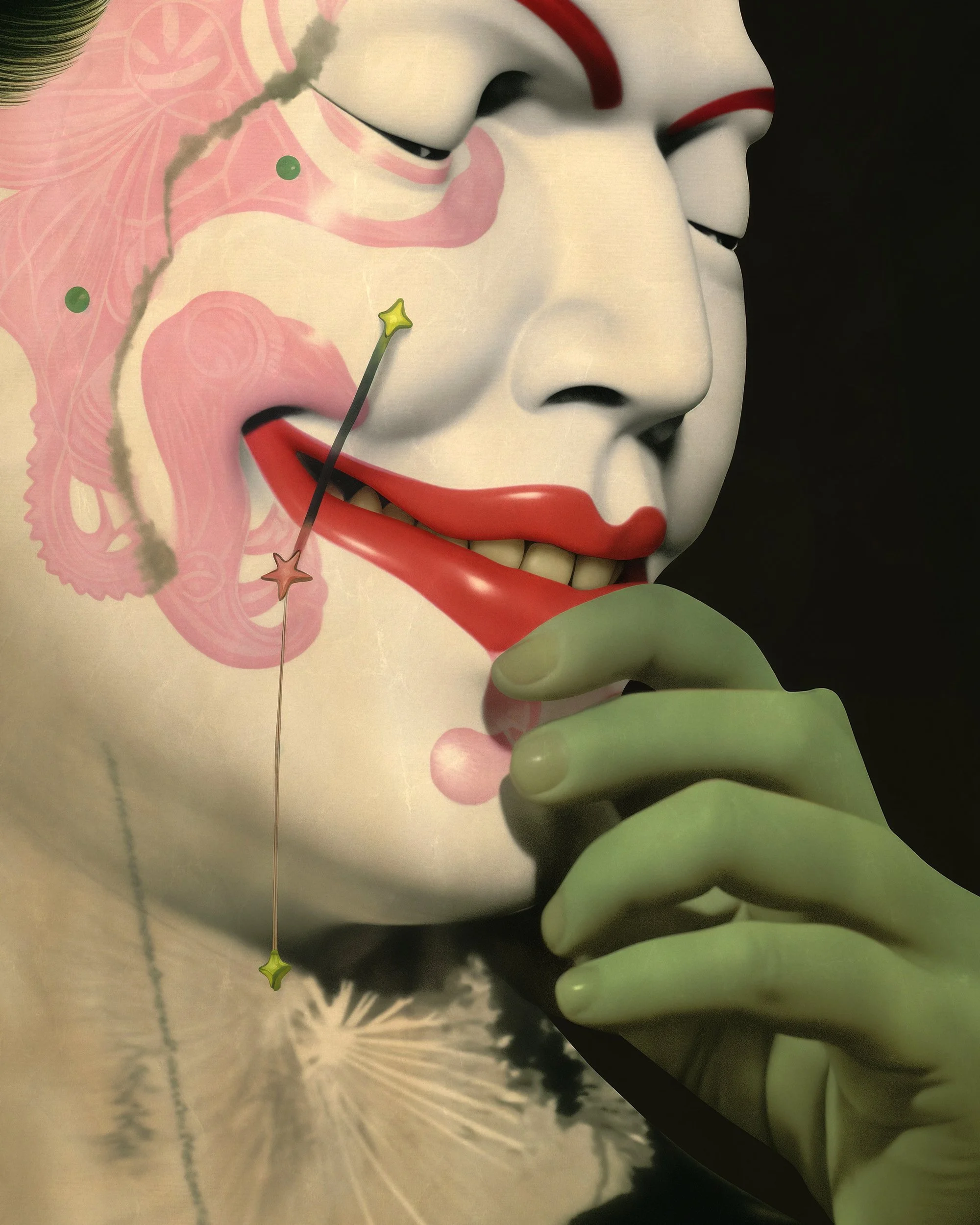
they thought it was a joke and applauded (2024)
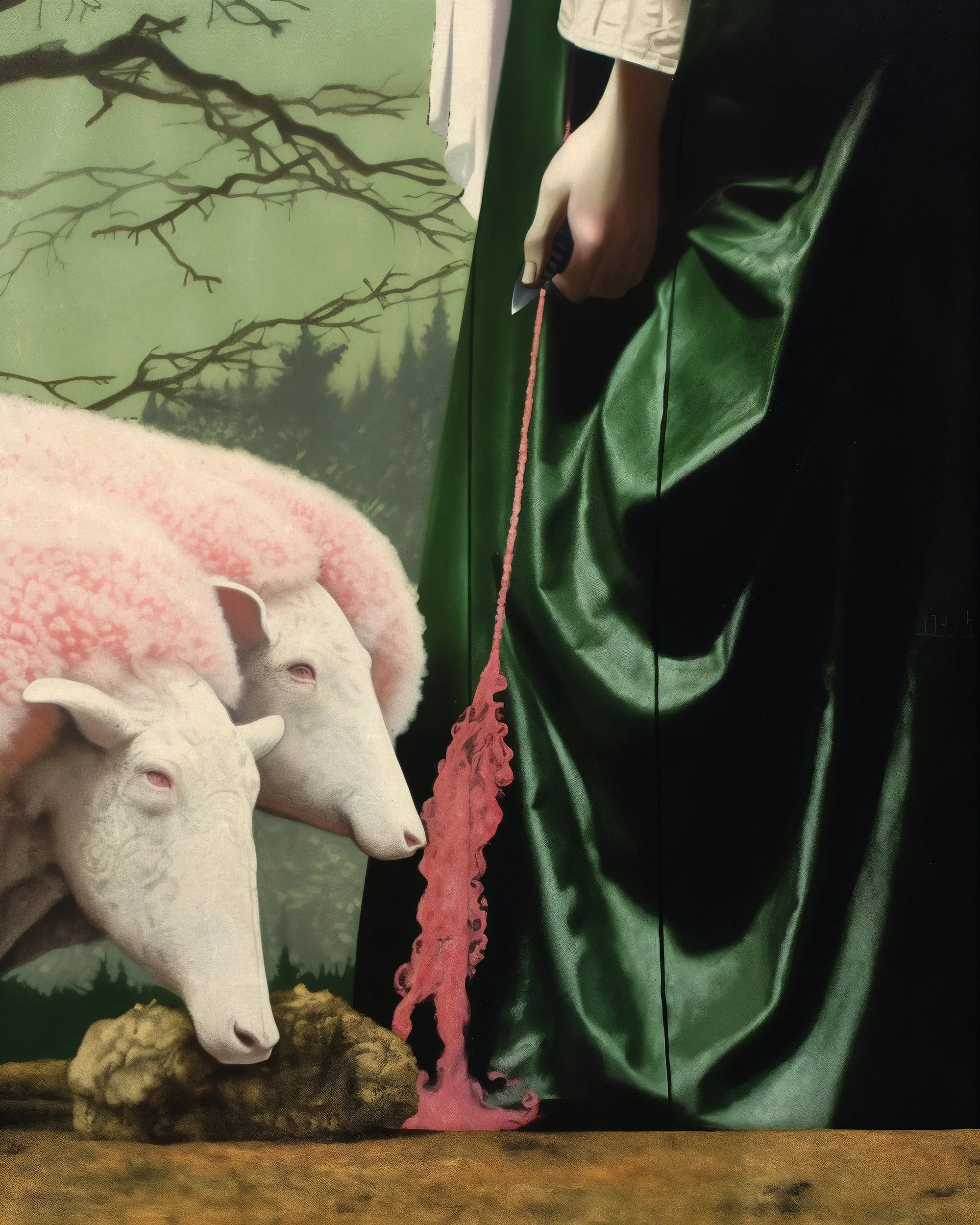
Phantasy: Works displayed on objkt are outliers in a way. They feature strongly defined lines, vivid colours and joker-esque caricatures, often related to themes of deception and capital with titles like victims blinded by false shades and piece of advice. What inspired you to make these works?
Lykai: Those works came directly from immediate emotions. Something happened, I felt it, and it entered the image before I had time to see what would remain. I was living with mistrust and doubt while presenting myself as fine. Sarcasm gave those feelings somewhere to hide. The caricatures could laugh and accuse without revealing how vulnerable they were. Perhaps there was a request for help inside the joke. The vivid colours belonged to that urgency. My recent work gives the feeling more time before making it visible.
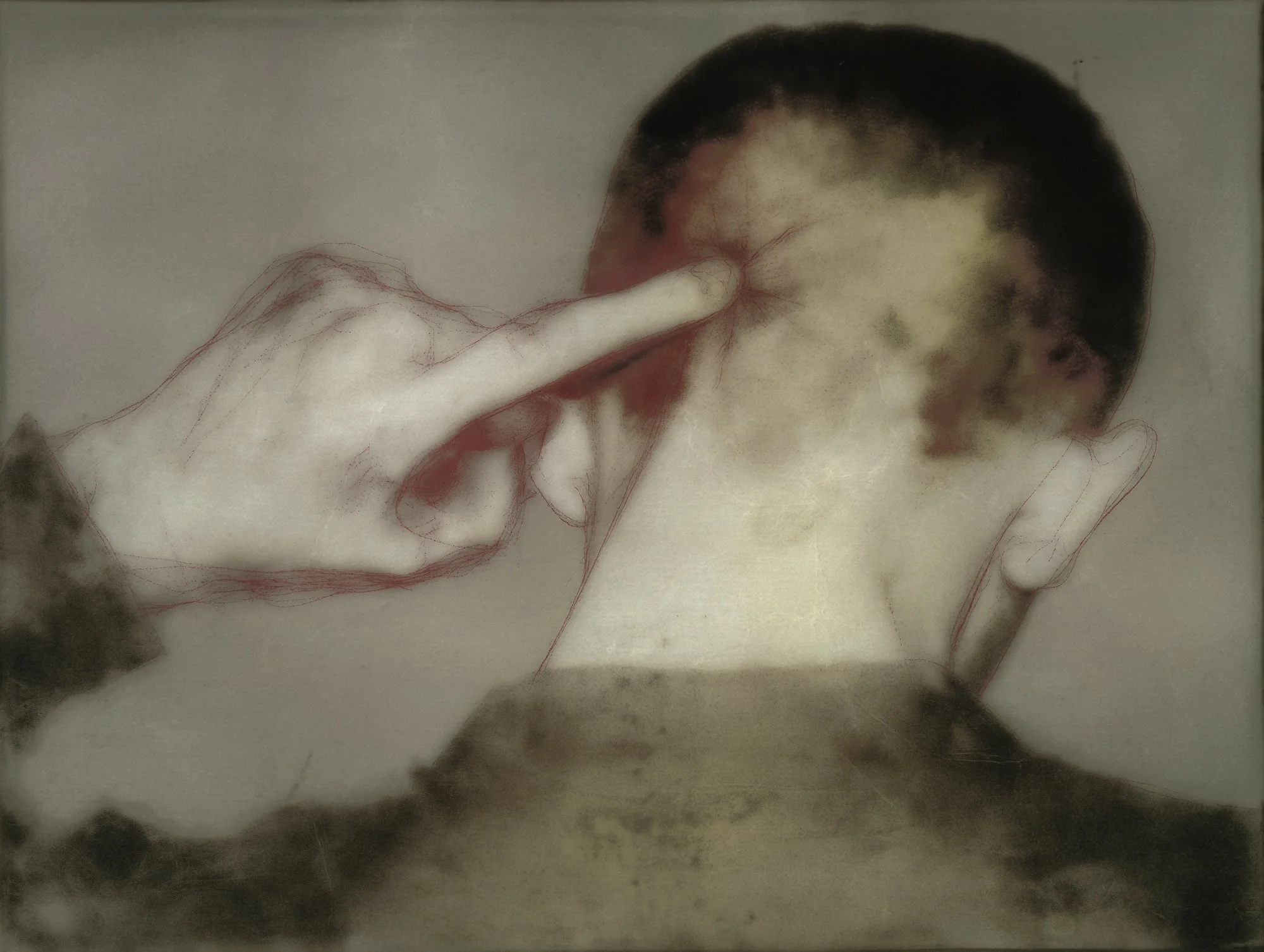
right here, (2025)
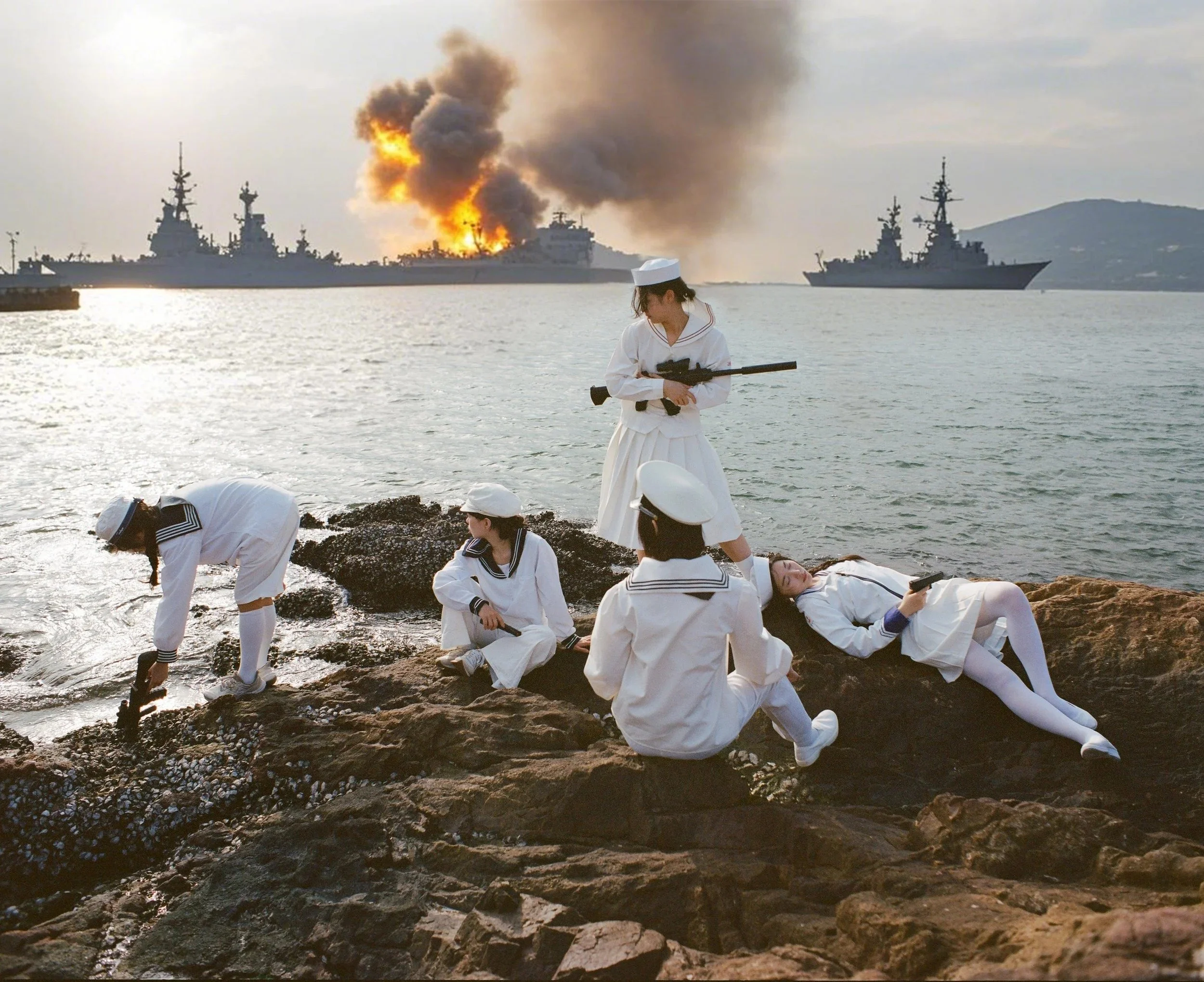
Phantasy: "A fire broke out backstage in a theatre. The clown came out to warn the public; they thought it was a joke and applauded. He repeated it; the acclaim was even greater. I think that's just how the world will come to an end: to the general applause of wits who believe it's a joke." You included this quotation by Soren Kierkegaard in your ART MARKET collection. Do you feel that this is an apt metaphor for the artworld? If so, do you think that artists are the clowns or jesters to a witless audience? How much of being an artist is performance or posturing?
Lykai: Yes, although artists and audiences can both become the clown or the person applauding. Some performance is unavoidable. Sharing art means choosing what to show and which version of myself appears beside it. It becomes posturing when maintaining that version matters more than allowing myself or the work to change. Even here, I feel the temptation to sound more certain than I am.
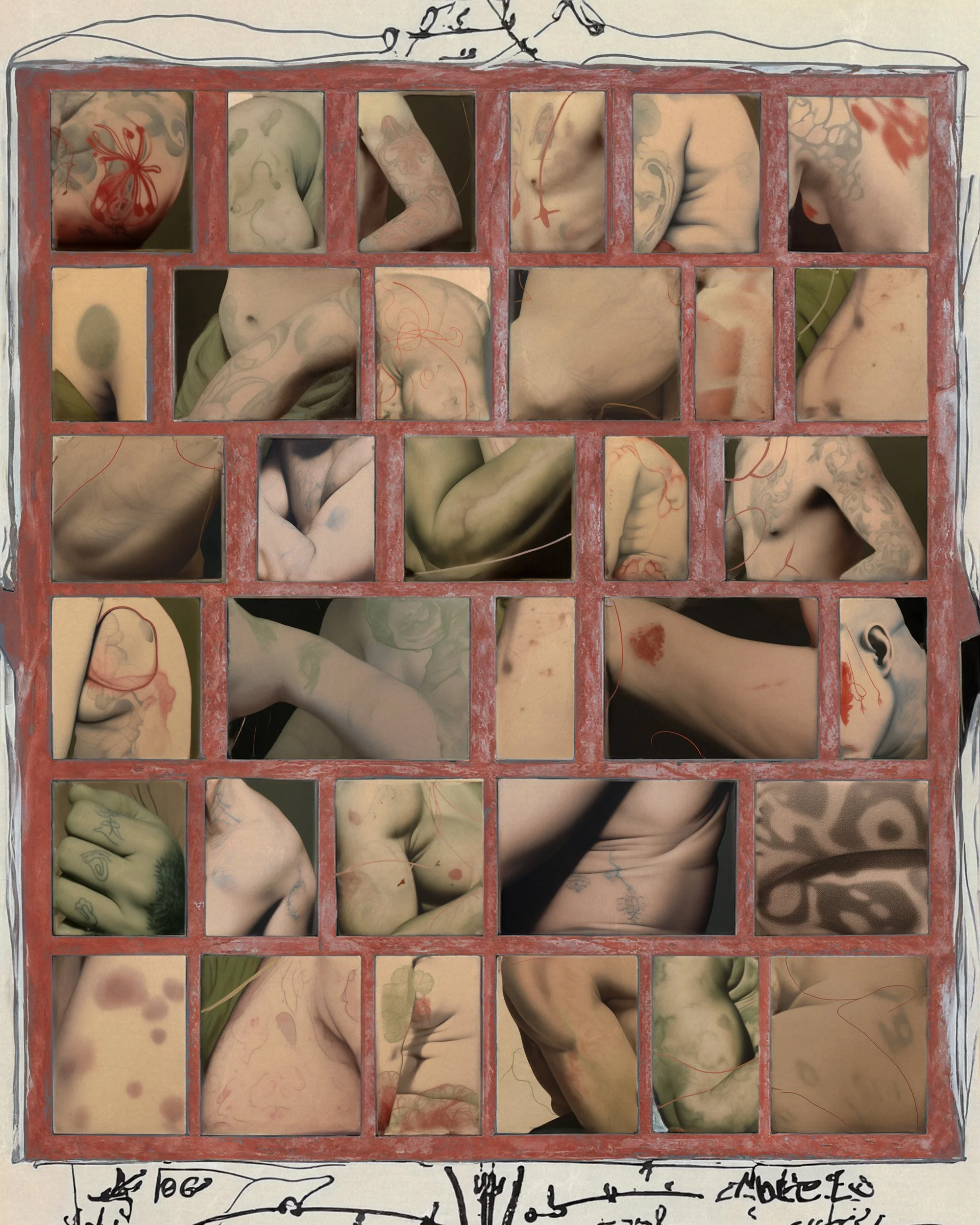
skins
Phantasy: Your work on Zora is more visceral. Skins, Sudden camera flip and Turning 29 today seem occupied with the body and by how we perceive our own image. Ideas of aging and surveillance seem inescapable from how we disseminate images online. Do you feel that sharing such works on digital platforms is at odds with their subject matter?
Lykai: Those works began less with surveillance and more with self-evaluation, sometimes through self-deprecating humour. Seeing myself unexpectedly, then noticing how quickly looking becomes judging. My attraction to skin extends beyond my own body. Bruises, veins, marks, even fish skin. Perhaps because skin is both protection and exposure. It quietly records pressure, injury, contact and time without revealing the full story. That feels close to how memory works for me. Sharing something intimate online creates a contradiction, but it can also make a private discomfort recognisable to someone else.
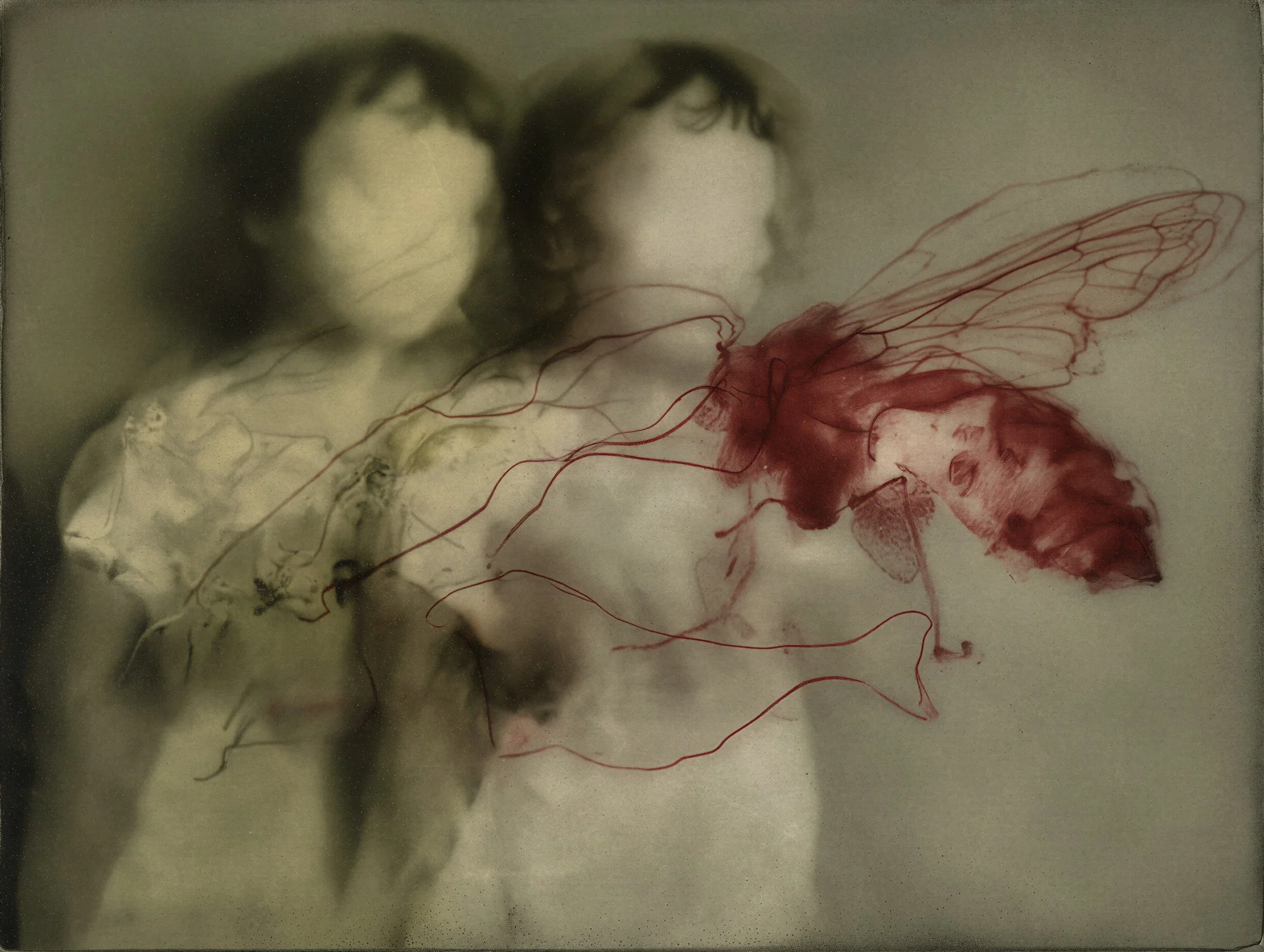
thin winged, we all (2026)
Phantasy: Do you think that the blockchain bubble will burst? Platforms like Exchange Art, which you used prior to the “multichain art marketplace” ceased operations earlier this year, are waning in popularity.
Lykai: Perhaps it already has, more than once. Speculative attention will continue expanding and contracting. When a platform disappears, the token may remain while its context and community vanish. It reminds me not to confuse a platform with a practice. I hope what survives is a smaller, more serious digital art culture that values the work and its history beyond market excitement.
Phantasy: How do you assign value to a work of art?
Lykai: Pricing and valuing feel different. Pricing considers labour, medium, previous sales and the work’s place within my practice. Value develops through time, through what the work helped me understand and what someone else continues to find in it. A sale matters, but it isn’t the whole measure.
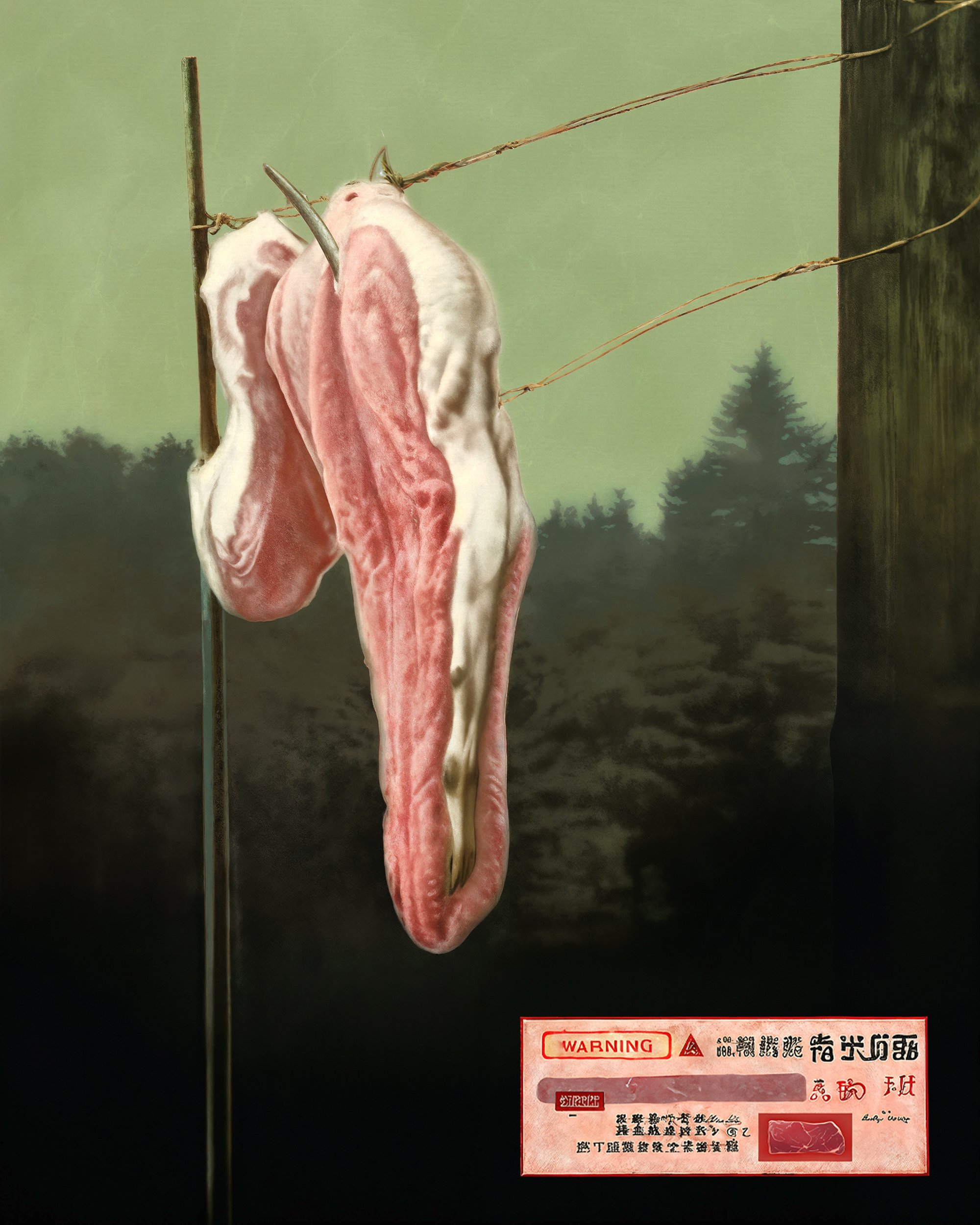
piece of advice (2024)
victims blinded by false shades (2024)
Phantasy: In her essay ‘In Defence of the Poor Image’, Hito Steyerl argued that poor images (lower quality images, circulated online in the form of screenshots, Youtube to MP3 files et al) can constitute ‘alternative audiovisual economies’. She suggests that an image’s ‘aura is no longer based on the permanence of the “original,” but on the transience of the copy. It is no longer anchored within a classical public sphere mediated and supported by the frame of the nation state or corporation, but floats on the surface of temporary and dubious data pools.’ Your Super Rare description describes your work as ‘shaping a unique dialogue that connects vulnerability, transformation, and the human psyche.’ Is Steyerl’s vision of a constantly shifting, alternative economy of popular images compatible with your perception of your art?
Lykai: Thank you for introducing me to the essay. I don’t think I had knowingly encountered it before, although parts felt familiar. I’m drawn to images that appear to have travelled: blurred, printed, compressed or worn. My process moves fragments between memory, found images, AI, compositing and physical materials until the boundaries begin to soften. For me, this begins with familiarity and nostalgia. An almost-remembered image gives me somewhere to stand, even when its meaning is unstable. So yes, there is an affinity. Blockchain adds another contradiction: it anchors authorship to an image whose copies will continue travelling without us.
we left ourselves there (2026)
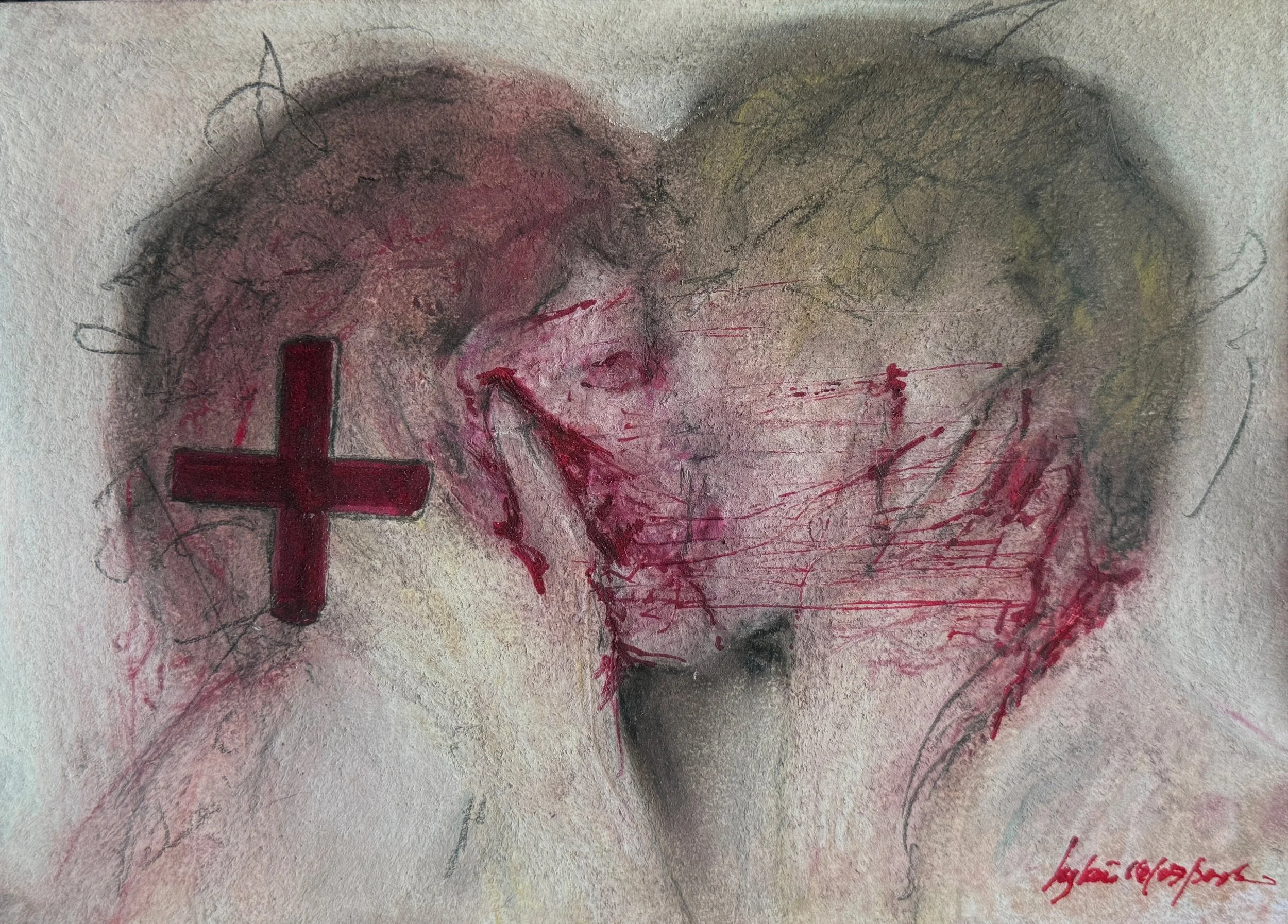
Phantasy: You create works using physical mediums like paint or pencil, for example. Do you feel that this is incongruous with creativity today given the prolific nature of generative AI, social media and NFT trading?
Lykai: Not at all. I don’t see physical and digital processes as belonging to opposing moments. Sometimes I need a space of misreading, and this is where AI comes in the process - rejecting, returning, refining and screening until something vague survives interpretation. Other times, I need dust, pressure and a mistake my hand must respond to. Platforms and markets may change how art circulates, but they do not decide how it needs to be made.
Phantasy: Being an artist is notoriously tough on personal finances. Lulu MacDonald recently wrote a piece in Frieze lamenting these difficulties, stating that ‘Most of us will never make a living from our art.’ You work in fashion PR and logistics alongside your work as an artist. Do you feel that this is an irresolvable tension? Are there any aspects of your ‘day job’ that you think make you a better artist? Do you think that this awareness of commercialisation equips you to navigate the artworld?
Lykai: It is an ongoing negotiation. Other work takes time from art, but it also gives the practice breathing room. Fashion taught me how images are positioned and sold. Logistics revealed the labour, timing, costs and relationships beneath them. It has made me more practical about the systems around creative work, although understanding commercialisation doesn’t make me immune to it. The difficult part is protecting enough undivided attention for art.
imaginary cicadas (2025)
Phantasy: What is a question that you wish you were asked more often?
Lykai: What becomes visible when you stay a little longer?